
Last updated November 16, 2026
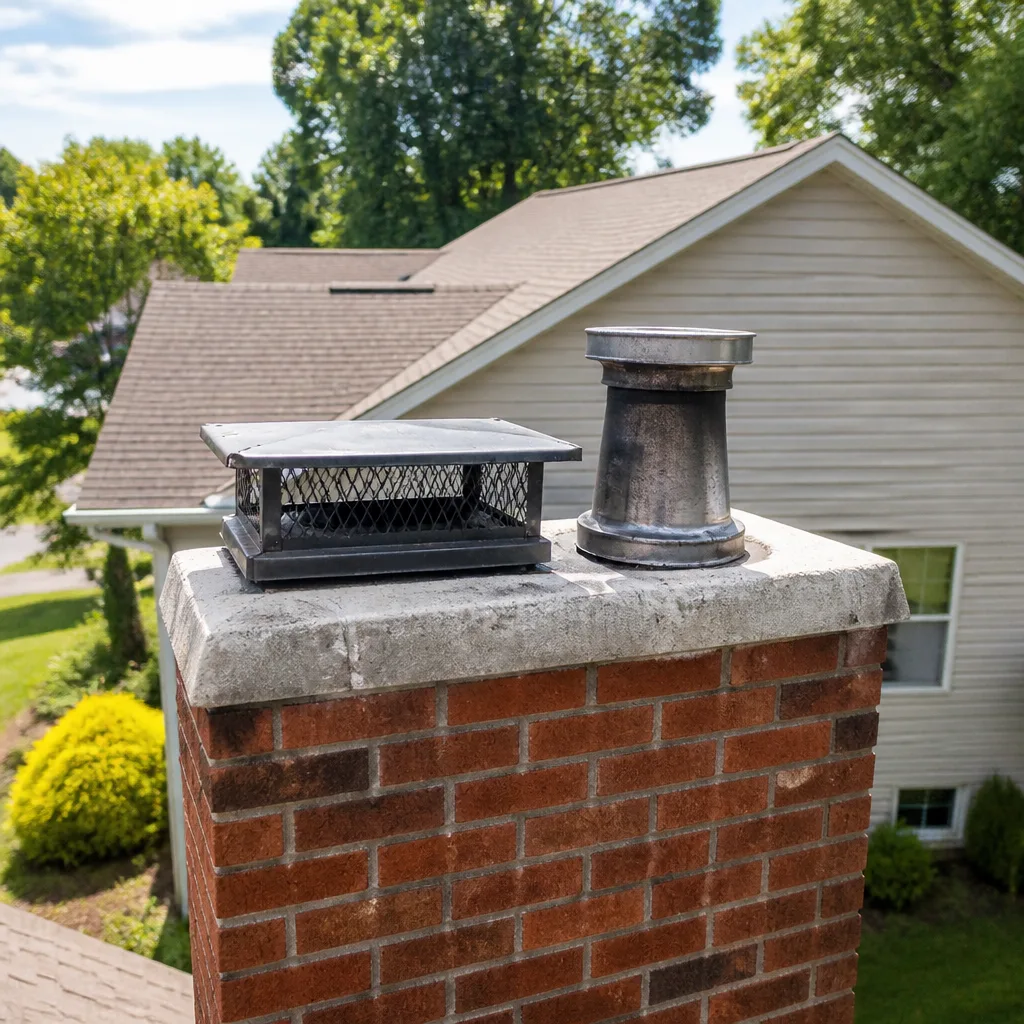 Sweep & inspection
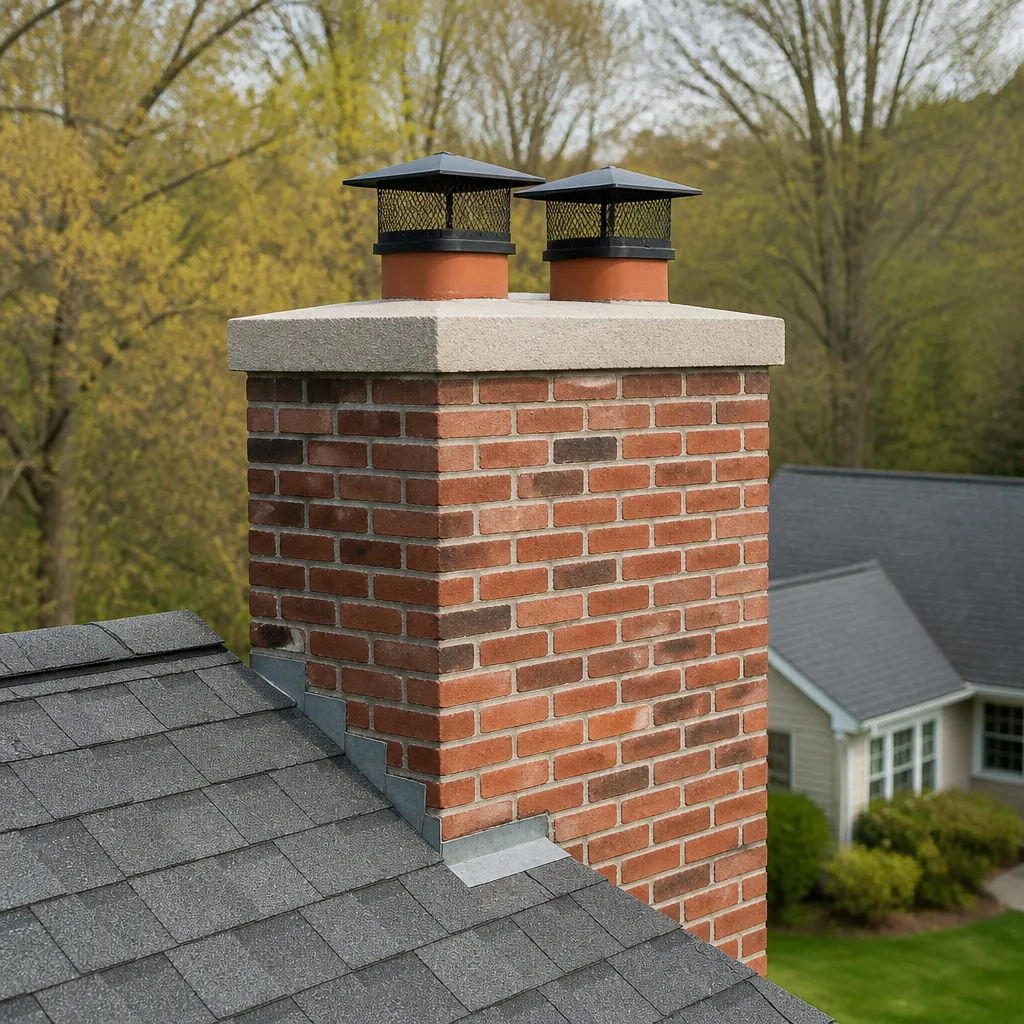 Caps & crowns
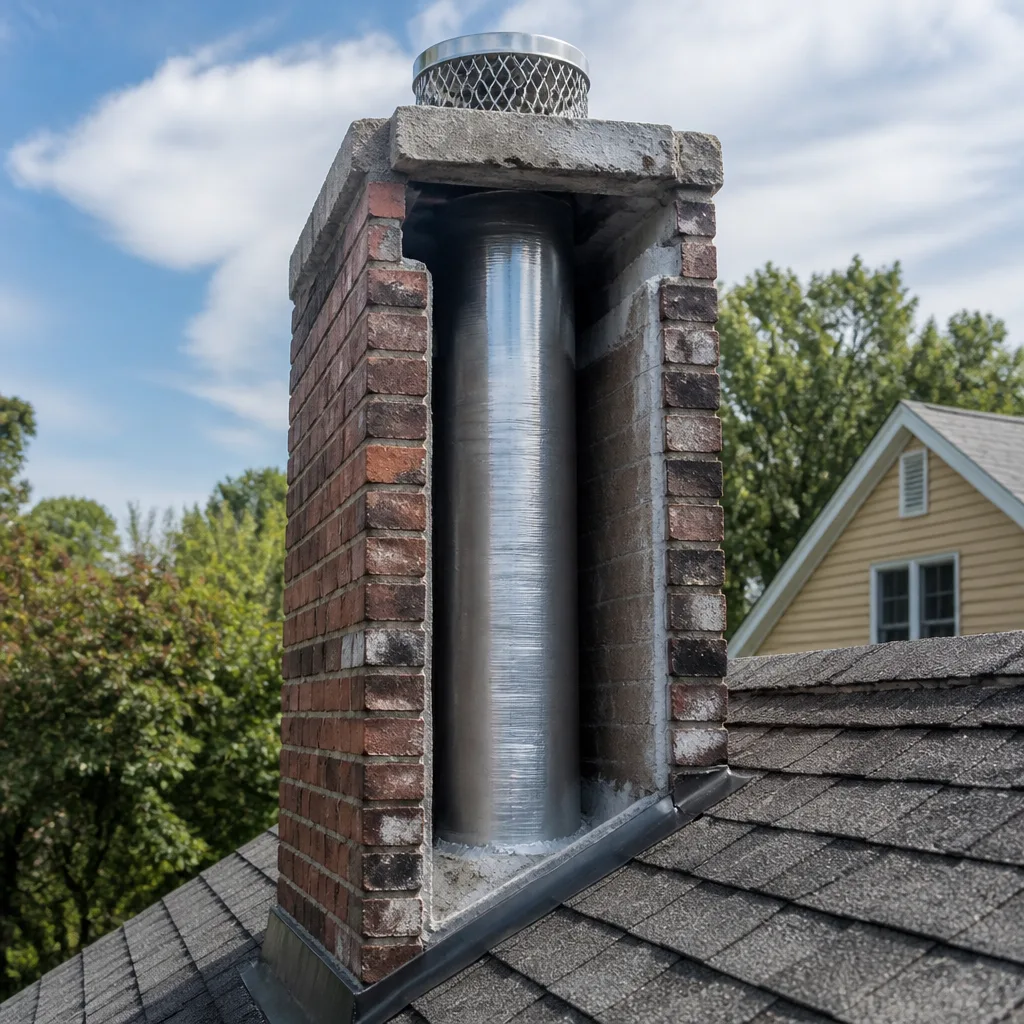 Flue relining
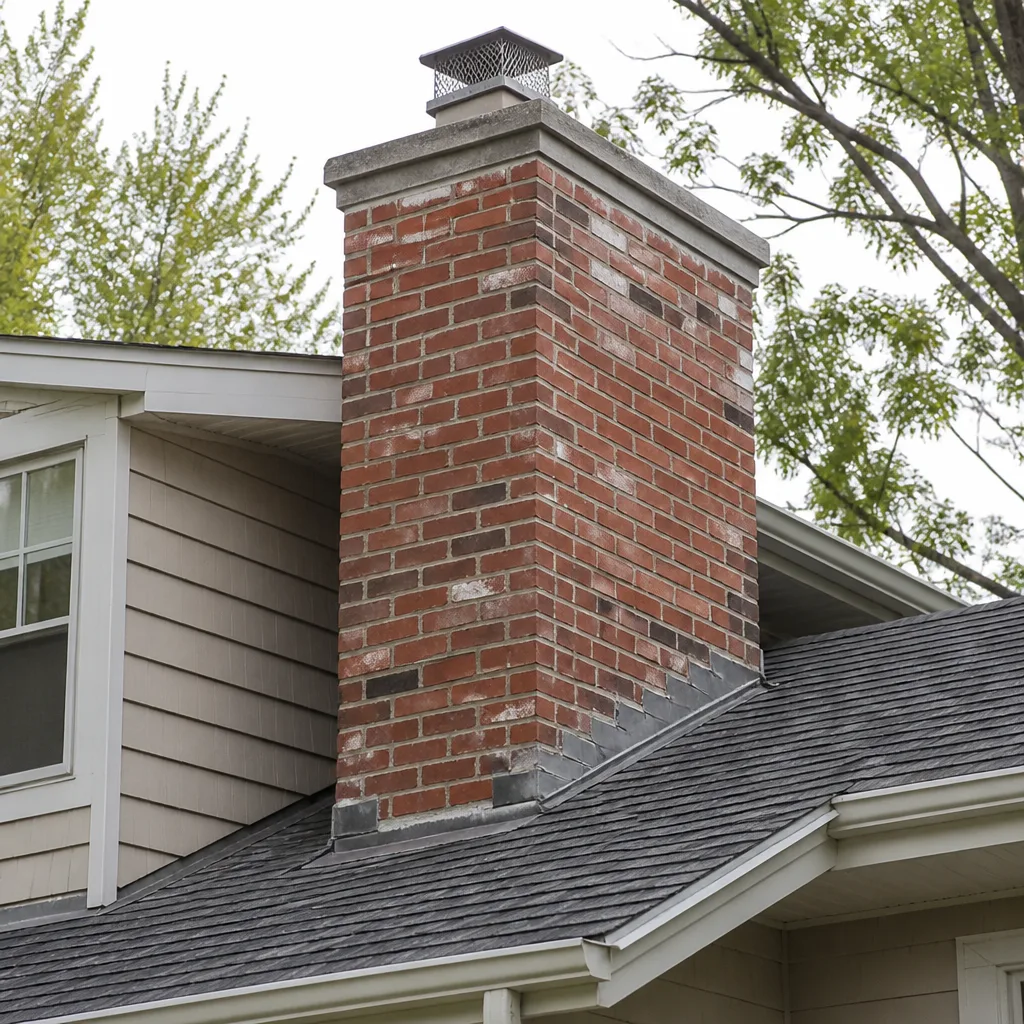 Masonry repair
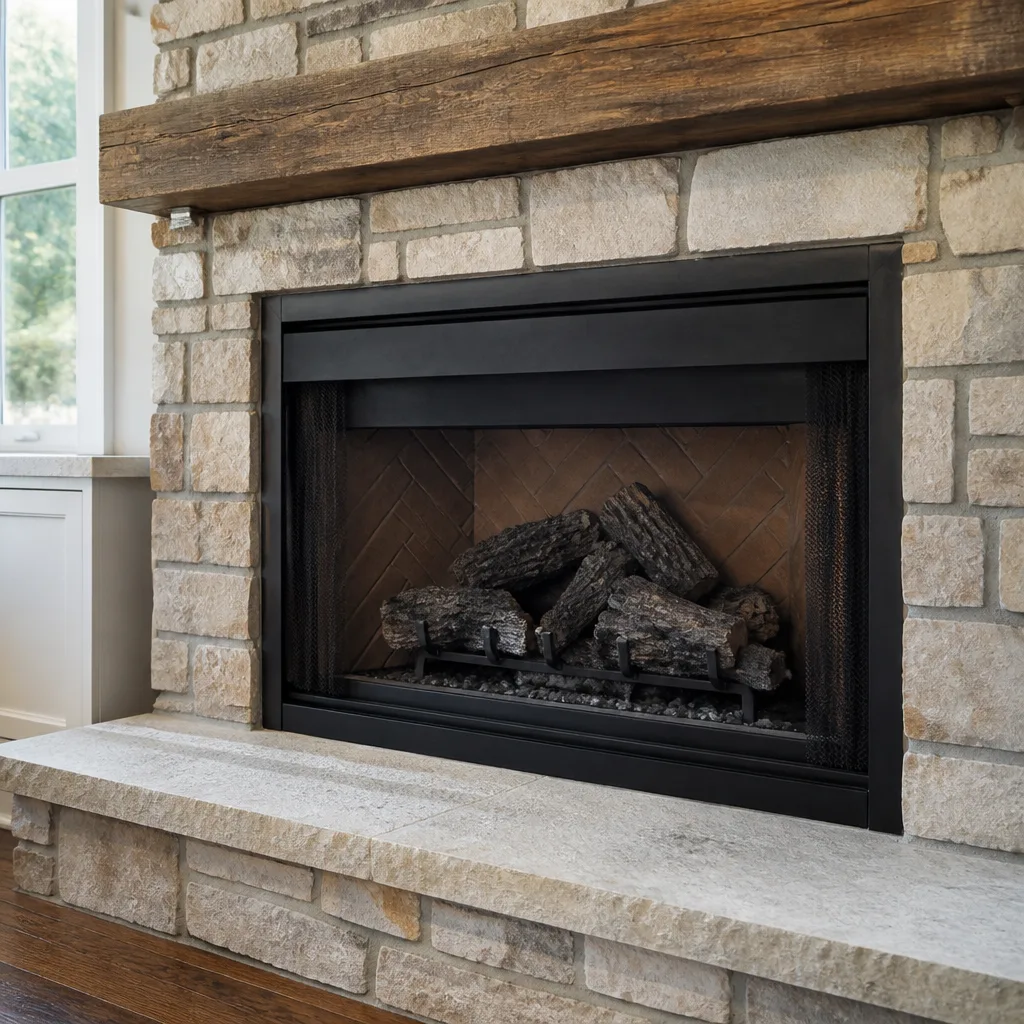 Gas fireplace service
Level 1 sweep and inspection to the NFPA 211 annual standard - flue, crown, cap, and flashing checked and photographed
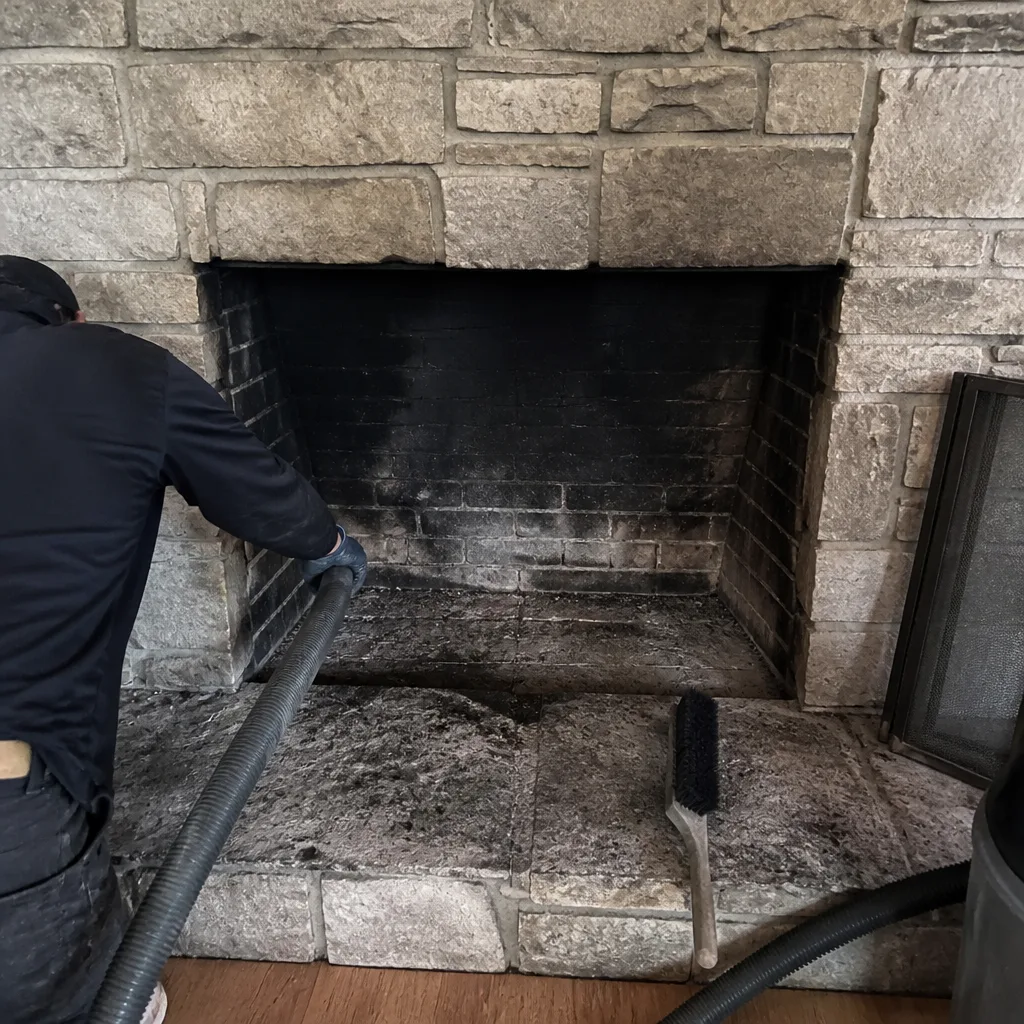
Chimney sweep logs do not sweep chimneys. They loosen some creosote - which then falls where a brush and vacuum still have to collect it.
How to Hire a Chimney Cleaning Contractor in Lexington: A Step-by-Step Guide
Searching for a chimney sweep in Lexington returns a strange mix. You’ll see dedicated chimney companies, sure, but you’ll also see painters, handymen, and HVAC outfits who’ve added “chimney cleaning” to a list of thirty other services. That’s the real problem with hiring here: the credentials that matter aren’t printed on the side of a truck, and most homeowners don’t know what to look for until something goes wrong. This guide walks you through a concrete vetting process – the three-question filter, what a written estimate should actually contain, which equipment questions expose a generalist, and how to read reviews for chimney work specifically. By the end, you’ll know how to tell a specialist from a moonlighting handyman in under five minutes.
Quick Answer
To hire a chimney cleaning contractor in Lexington, verify CSIA certification, ask which inspection camera system and brush brands they use, and insist on a written estimate with a written condition report after the sweep – not a verbal quote. If a contractor can’t answer those three questions specifically, they’re likely a generalist, not a chimney specialist. The rest of this guide explains exactly how to run that check and what a legitimate chimney company looks like in Lexington.
Styles & brands we work with
- Sweep & inspection
- Caps & crowns
- Flue relining
- Masonry repair
- Gas fireplace service
Table of Contents
- The Three-Question Filter: Separating Specialists From Generalists
- Why CSIA Certification Is the Minimum Credential to Verify
- The Equipment Questions That Expose a Generalist
- What a Legitimate Written Estimate Actually Contains
- Red Flags Unique to Chimney Contractors in Lexington
- How to Read Google and BBB Reviews for Chimney Work
- Reading the Written Condition Report Like a Homeowner
- Common Mistakes to Avoid
- When to Call a Professional
- Frequently Asked Questions
The Three-Question Filter: Separating Specialists From Generalists
Here’s the filter. When you call a chimney company in Lexington, ask three questions before you book anything. If they stumble on all three, thank them and move on. If they answer two of three specifically, keep talking. The questions aren’t designed to be tricky – they’re designed to expose whether chimney work is their trade or their side income.
Question one: “Are your technicians CSIA certified?” A dedicated chimney company will say yes without hesitation and typically offer the certification numbers or a link to verify. A generalist will usually say something like “we’re fully licensed and insured” – a non-answer that sidesteps the specific credential.
Question two: “What inspection camera system and brush brands do you use?” A chimney specialist will name the tools – a video inspection system, a specific brush line, the liners and caps they install. Our technicians work with professional-grade brands like HeatShield, Gelco, Olympia Chimney, and Famco because those are the products trained specialists actually use. A generalist will say “standard equipment” or “whatever the supplier recommends,” which tells you they don’t know the difference between a chimney brush and a plumbing snake.
Question three: “Will I get a written condition report after the sweep?” If the answer is “yes,” that’s your signal they document the flue’s condition, not just clear it. If the answer is “we’ll let you know if there’s a problem,” that’s the generalist’s exit ramp – they’re not equipped to evaluate it properly.
Run these three questions on your first call. Most homeowners know the answer within four minutes. For a quick reference, our chimney sweep page covers what a proper sweep involves from start to finish.
Why CSIA Certification Is the Minimum Credential to Verify
CSIA stands for the Chimney Safety Institute of America, and it’s the credential that matters most when you’re hiring. CSIA certification is a national program that requires technicians to pass a written exam, hold continuing education credits, and commit to a code of ethics – but the important part for you is that it’s verifiable. The CSIA maintains a searchable database of certified sweeps by ZIP code, so you can confirm a contractor’s claim in under 60 seconds.
Here’s how to check it:
- Ask the contractor for the full name of the certified technician who will be on site – not just “the company is certified.”
- Go to the CSIA’s online locator and enter the Lexington ZIP code or the technician’s name.
- Confirm the certification is active, not expired or lapsed.
- Cross-check that the technician listed is actually the person scheduled to do your sweep.
Why this matters in Lexington specifically: the market is dense with general contractors who list chimney cleaning alongside roofing, gutters, and small remodels. None of those trades require chimney-specific certification, so a handyman business can advertise “chimney cleaning” with no credential at all. CSIA certification is the one proof that someone in the company has actually been tested on chimney work.
One caveat: certification is a floor, not a ceiling. A certified technician with the right equipment and a written reporting process is far more useful than a certified name on a truck driven by an untrained helper. Ask who will actually be on your roof. The credential belongs to the individual, not the company.
The Equipment Questions That Expose a Generalist
Equipment questions are the most revealing part of vetting a chimney contractor. A specialist will talk about their tools with the casual fluency of someone who uses them daily. A generalist will answer in vague terms because the tools aren’t central to how they earn a living. Here are the questions that separate the two, and what a good answer looks like.
What video inspection system do you use? A specialist uses a camera on a flexible rod that feeds down the flue and records video, ideally with photos the homeowner can see. If they say “we inspect visually from the top and bottom,” that’s a limited inspection – they can’t see the middle of the liner.
What brush and rod system do you use? A proper chimney sweep uses polypropylene or wire brushes matched to the flue type, on flexible rods, with a HEPA vacuum running to contain dust. A generalist will often use a shop vac and a hand brush – which is fine for a fireplace box, not for a full flue.
What brand of liner and cap do you install if a repair is needed? A specialist names the products – HeatShield for liner resurfacing, DuraFlex for stainless liner systems, Famco or Olympia Chimney for caps and venting components. These are professional-grade trade brands, not generic hardware-store substitutes. A generalist typically says “whatever’s available” or names a brand they don’t actually stock.
Do you carry a camera to show me the problem, or just describe it? The best answer is a camera and a photo report. Being able to point at a photo of a cracked tile is the difference between “we recommend a liner” and “here’s the evidence, decide for yourself.”
If a contractor can’t name their equipment specifically, that’s a red flag. It’s not proof they’re bad – it’s proof they haven’t prioritized the tools that define the trade. Our chimney repair page explains how equipment selection affects repair outcomes for Lexington homeowners.
What a Legitimate Written Estimate Actually Contains
A verbal quote is not an estimate in chimney work. The reason is simple: chimney problems are hidden until someone gets a camera in the flue. A company that quotes you a number over the phone hasn’t seen anything – they’re guessing, and the guess protects them, not you. A legitimate written estimate in Lexington should include the following, at a minimum:
- Scope of work described in plain language – what’s being swept, inspected, or repaired, with the flue and appliance identified (wood-burning fireplace, gas fireplace, or wood stove).
- Brand names for any repair materials – HeatShield, DuraFlex, Gelco, Olympia Chimney, or Famco, so you can verify the product is what’s actually going in.
- Line-item pricing – not a single number. Sweep, inspection, and any repair quoted separately.
- What’s included in the inspection – camera scope, photo report, and a written condition summary.
- What happens if the sweep uncovers a problem – is the scope adjusted with your approval, or is there a separate quote?
- A clear statement that the written estimate sets the final price, not the phone quote.
Why the written estimate matters more for chimney work than for other home services: the sweep often reveals issues the homeowner can’t see. A liner with cracked tiles, a damaged crown, a cap that’s failing, or creosote buildup beyond what the homeowner expected – any of these can change the scope. The written estimate is the document that anchors the conversation. It’s the difference between “the sweep cost what we agreed” and “the bill doubled because they found something.”
Ask for the written estimate before the appointment. A company that won’t put it in writing before booking isn’t ready to work at your house.
Red Flags Unique to Chimney Contractors in Lexington
Some red flags are universal – no written contract, no insurance, no local address. Others are specific to chimney work and to this market. Watch for these:
- Storm-chaser upsells after hail events. Hail is uncommon in Lexington, but after a strong storm, out-of-town contractors often canvass neighborhoods claiming chimney damage. If someone knocks on your door with a clipboard and a “free inspection” the week after a storm, ask to see their CSIA certification and a local business address before letting them near your flue.
- Cash-only pricing. A chimney sweep who quotes a cash-only rate is signaling they won’t stand behind the work in writing. Chimney repairs involve materials and labor that should be documented; cash-only pricing removes the paper trail.
- No written condition report after the sweep. If they sweep the flue, collect a check, and hand you nothing in writing, you have no record of the flue’s condition. That’s a problem next year, when a different company asks “has anything changed?”
- “We’ll do the sweep and inspect it at the same time” without a camera. A proper inspection uses a camera. A sweep without a camera inspection is partial work dressed up as full service.
- Pressure to authorize a liner replacement on the spot. A legitimate chimney contractor will show you the photo, explain the options, and let you decide. A specialist will tell you plainly when work can safely wait a season.
- “We do chimneys, roofs, gutters, and hardwood floors.” Single-trade focus is a real signal. A company that offers thirty services isn’t a chimney specialist – it’s a general handyman with a chimney brush.
- Quote over the phone with no visit and no camera. If they’ll name a number for a liner replacement without seeing the flue, they aren’t quoting your chimney. They’re quoting an average.
For more on what proper chimney care looks like in Lexington, our Lexington service page outlines the climate and housing patterns that shape chimney maintenance here.
How to Read Google and BBB Reviews for Chimney Work
Reviews are useful for hiring any contractor, but chimney reviews have a specific mix. Homeowners tend to praise the same things: on-time arrival, cleanliness, a technician who explained what they found, and a photo report they could actually understand. Those are table stakes. The reviews that separate a specialist from a generalist tend to mention a few specific things that a generalist can’t fake.
Look for reviews that mention:
- Photos or camera footage. If a reviewer says “they showed me the crack on camera,” that’s a company doing camera inspections. If no review mentions photos, the company likely isn’t generating them.
- A written report. Reviews that mention receiving a written condition report are a strong signal. Reviews that say “they told me everything looked fine” are not – the homeowner has no documentation.
- Brand names in repair work. A reviewer who mentions HeatShield or DuraFlex is a homeowner who was told what was installed. A generalist typically doesn’t name products because the homeowner never learned them.
- The “we can wait” moment. The best reviews are the ones where a company told the homeowner that work could safely wait, and the homeowner came back the next season. That behavior is hard to fake and it’s the single strongest signal of an honest chimney contractor.
- The consistency of the complaint side. A single bad review is noise. A pattern of complaints about “the price went up after the sweep” or “no written report” is the pattern to avoid.
Cross-check the company’s BBB listing for complaint history, not just the rating. A business can carry an A rating with a handful of unresolved complaints if the reviews were filed recently. The complaint text is more useful than the letter grade.
One specific note for Lexington: the market has a lot of companies that do chimney cleaning as a seasonal add-on. If their review history is mostly “great on my roof, great on my gutters, and also cleaned my chimney,” ask how many chimney-only reviews they have. The specialists have a review history that’s almost entirely chimney work.
Reading the Written Condition Report Like a Homeowner
The written condition report is the most important document in the entire chimney relationship. It’s the record of what your flue looked like on the day of the sweep, and it’s the document you’ll compare against next year. A good report includes the following sections, and you should ask to see a sample before booking.
What a legitimate condition report covers:
- Appliance and flue type – wood-burning fireplace, gas fireplace, or wood stove, with the flue material described.
- Sweep results – how much creosote was found and what stage it was (the National Fire Protection Association classifies creosote in three stages, with stage 3 being the most hazardous).
- Inspection findings – the condition of the liner, damper, smoke chamber, crown, cap, and flashing. Each item listed with its condition.
- Photos or camera footage – at least one image of each finding, so you can see the evidence.
- Recommendations – what needs attention now, what can wait, and what to monitor.
- Next service date – when the next sweep is due, based on how much you burn.
Why this matters: chimney work is one of the few home services where “you need thousands of dollars of work” is genuinely hard for a homeowner to verify. The report is your protection. If a company recommends a HeatShield resurfacing or a DuraFlex liner and there’s no photo of a cracked tile in the report, ask why. A legitimate chimney contractor will show you the evidence and say plainly when work can safely wait a season.
For homeowners in Lexington who want to understand the flue basics before the visit, the Lexington chimney cleaning overview page explains what a sweep actually does to a flue.
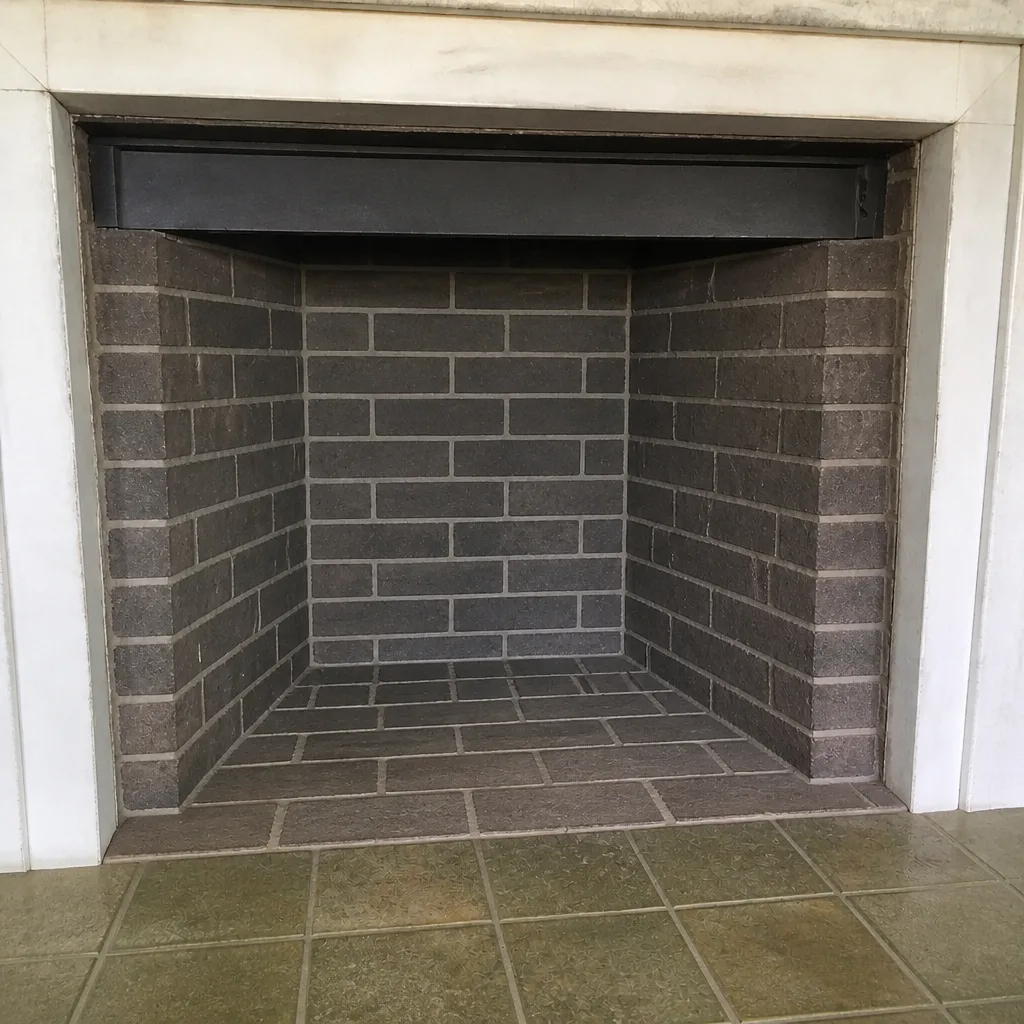
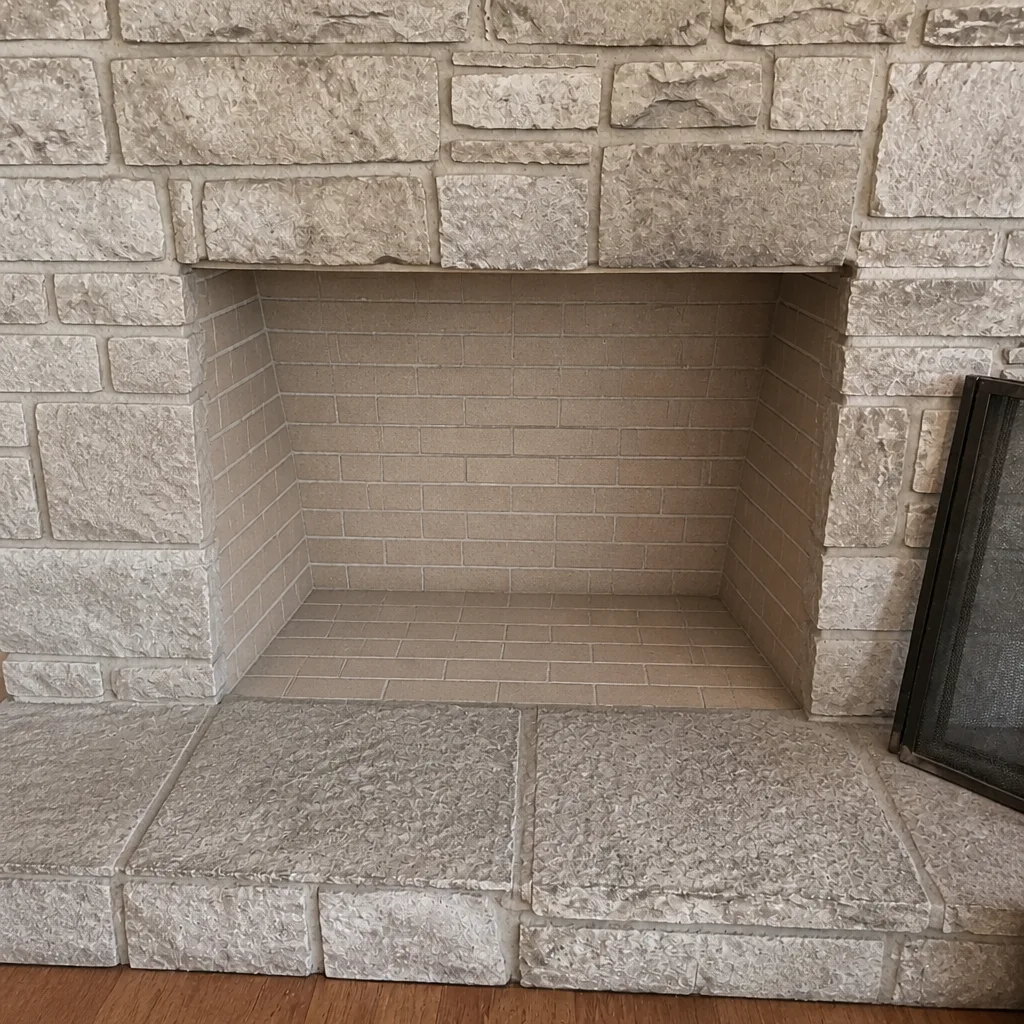
See the difference
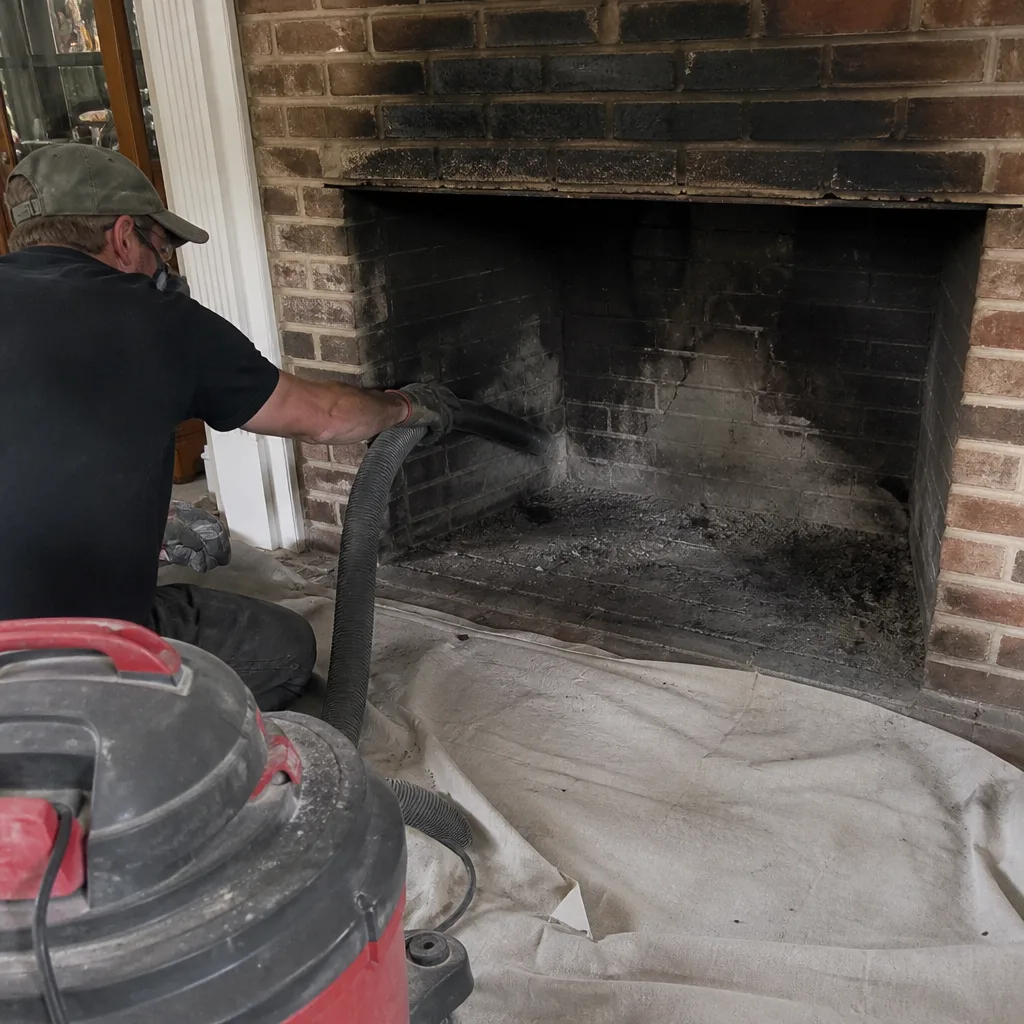 Before
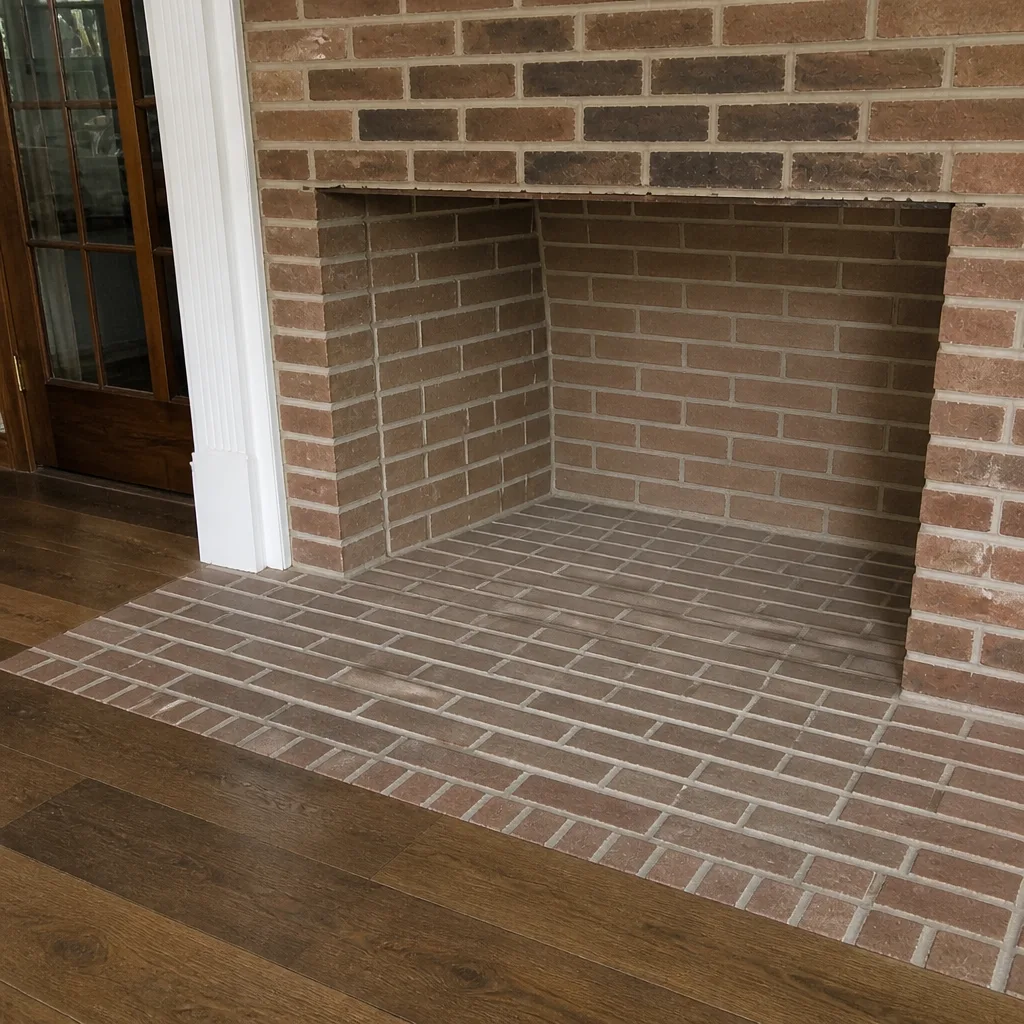 After
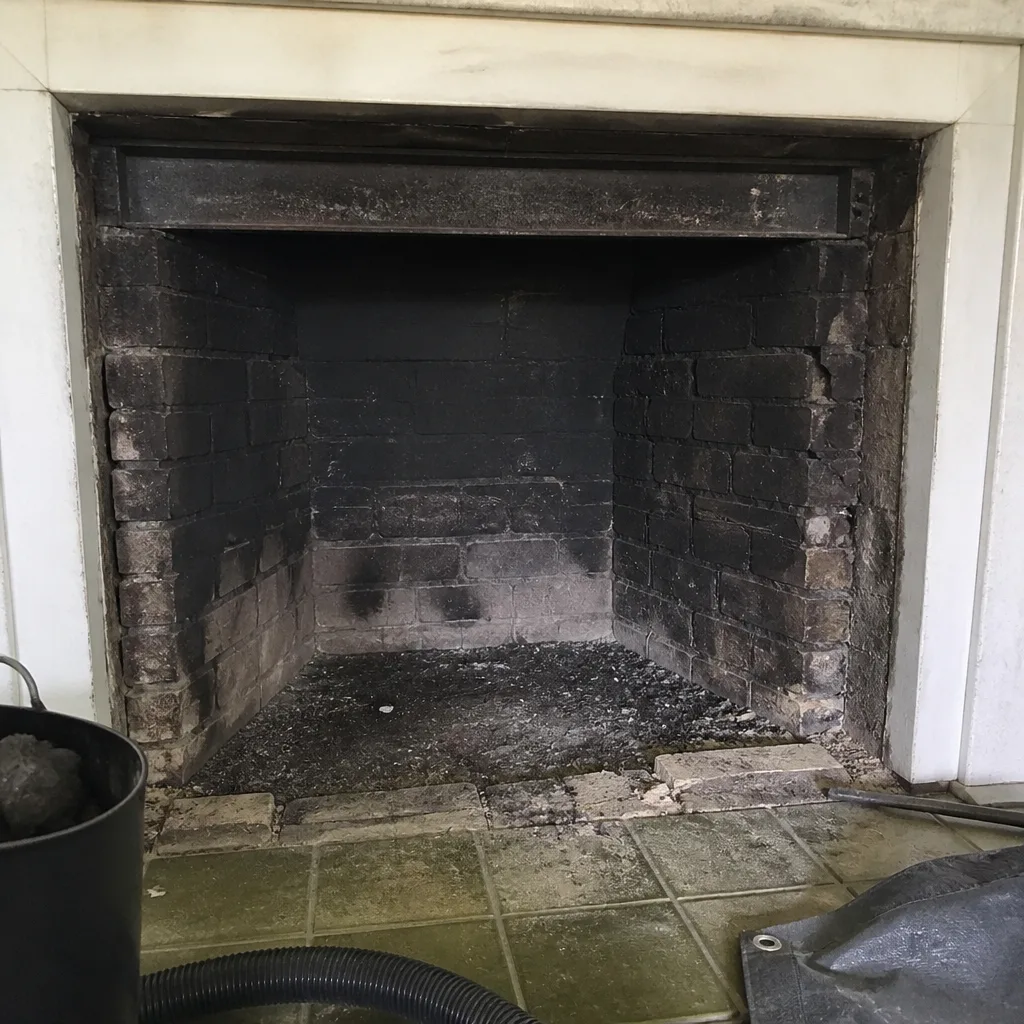 Before
 After
 Before
 After
Common Mistakes to Avoid
- Hiring on price alone. A cheap sweep with no camera and no report is more expensive than a professional sweep in the long run, because you’ll pay twice when the problem surfaces. Ask about equipment and reporting before you ask about price.
- Not checking CSIA certification. In a market as mixed as Lexington’s, certification is the one credential that’s verifiable in under a minute. If a contractor won’t provide a name to look up, that’s the answer.
- Accepting a phone quote for repair work. A liner replacement quoted without a camera inspection is a guess dressed as an estimate. The written estimate after the inspection is the number that matters.
- Skipping the written condition report. The report is your record. Next season, when a different company asks about the flue’s history, the report is what you show them.
- Assuming a handyman’s “chimney cleaning” is the same service. A generalist with a brush and a shop vac is not the same as a chimney specialist with a camera, a HEPA vacuum, and a written report. The difference shows up in what they find, not just what they clear.
- Letting a door-to-door inspection turn into an authorization. A free inspection is fine. Authorizing repair work on the spot, before you’ve seen the camera evidence, is the mistake. Ask for the photos and a written estimate, and take a day to read it.
- Waiting until burning season to book a sweep. Lexington’s wood-burning season runs from fall into early spring, and the weeks before the first cold snap are the busiest. Book in late summer or early fall to get the slot and the attention you want.
When to Call a Professional
Some chimney work is general maintenance, and some of it needs a trained technician. Call a professional when you smell creosote in the house outside of burning season, when the fireplace drafts poorly or smokes into the room, when you see cracked or missing mortar in the firebox, or when it’s been a year or more since the last sweep. Call a professional before the first burn of the season if you can’t remember the last inspection. And call before you authorize any repair work recommended by a company you haven’t vetted – the CSIA look-up, the equipment questions, and the written estimate all take five minutes. Our technicians have up to 12 years of experience with chimney inspection, sweeping, and repair, and we work with professional-grade brands including HeatShield, Gelco, Olympia Chimney, and Famco. If you’d rather have a specialist look at it, that’s the role. Lexington Chimney Cleaning offers free estimates in Lexington – call (833) 946-8918.
Frequently Asked Questions
A standard chimney sweep in Lexington typically costs in the range of a few hundred dollars for a straightforward flue, with the written estimate confirming the final price based on the appliance type, the amount of creosote, and whether a repair is needed. The inspection and condition report are included in the service. Call (833) 946-8918 for an exact quote – estimates are free.
You need a new liner when the existing liner has cracks, gaps, or deterioration that a camera inspection documents with photographic evidence – not before. A legitimate chimney contractor will show you the photo, explain what the damage means for safety, and tell you plainly if the work can wait a season. If a company tells you a liner is needed without camera evidence you can see, get a second opinion. Call (833) 946-8918 for a free estimate that includes a camera inspection and photo report.
Most wood-burning fireplaces and stoves should be swept once a year, or more often if you burn frequently or burn unseasoned wood. Gas fireplaces typically need an annual inspection even when they don’t need a full sweep. In Lexington, where the burning season runs from fall into early spring, late summer is the practical window for booking the annual sweep. Call (833) 946-8918 to schedule an inspection and exact quote.
Creosote builds up inside the flue each time you burn, and stage 3 creosote – a glazed, hardened form – is the most hazardous because it can ignite. A blocked or restricted flue also raises carbon monoxide risk, particularly with gas appliances. Skipping a sweep doesn’t cause a problem on a predictable schedule, but it removes the inspection that would have caught one. Call (833) 946-8918 to book a sweep and get a camera inspection with a written report.
Yes. The CSIA maintains a searchable online locator by ZIP code and by technician name, and confirming a certification takes under 60 seconds. Ask for the full name of the technician who’ll be on site, look them up, and confirm the certification is active. A legitimate Lexington chimney contractor will provide the name without hesitation. Call (833) 946-8918 with any questions about certification or to book a free estimate.
Ask five: are your technicians CSIA certified, what camera system do you use for inspection, what brush and rod system do you use, will I receive a written condition report with photos, and what happens if the sweep uncovers a repair need. A chimney specialist answers all five specifically. A generalist answers with “we’re fully licensed and insured” and moves on. We answer 24/7 at (833) 946-8918 and can book a free estimate with these answers included.
The Bottom Line
Hiring a chimney contractor in Lexington comes down to three checks: verify CSIA certification, ask equipment questions that expose a generalist, and insist on a written estimate and a written condition report with photos. The rest is reading reviews for chimney-specific signals and watching for the red flags that separate an honest specialist from a seasonal upsell. A single-trade chimney company with the right brands – HeatShield, Gelco, Olympia Chimney, Famco – will answer every question on this list without prompting. It handles inspection, sweep, and repair in one call, so you don’t need to find a second contractor when the sweep uncovers something. If you want that check run for you, start with a free estimate.
Call (833) 946-8918 for a free estimate. We answer 24/7. Fast dispatch from 7am to 7pm, Sunday through Friday.
Written by the team at Lexington Chimney Cleaning.