
Last updated November 16, 2026
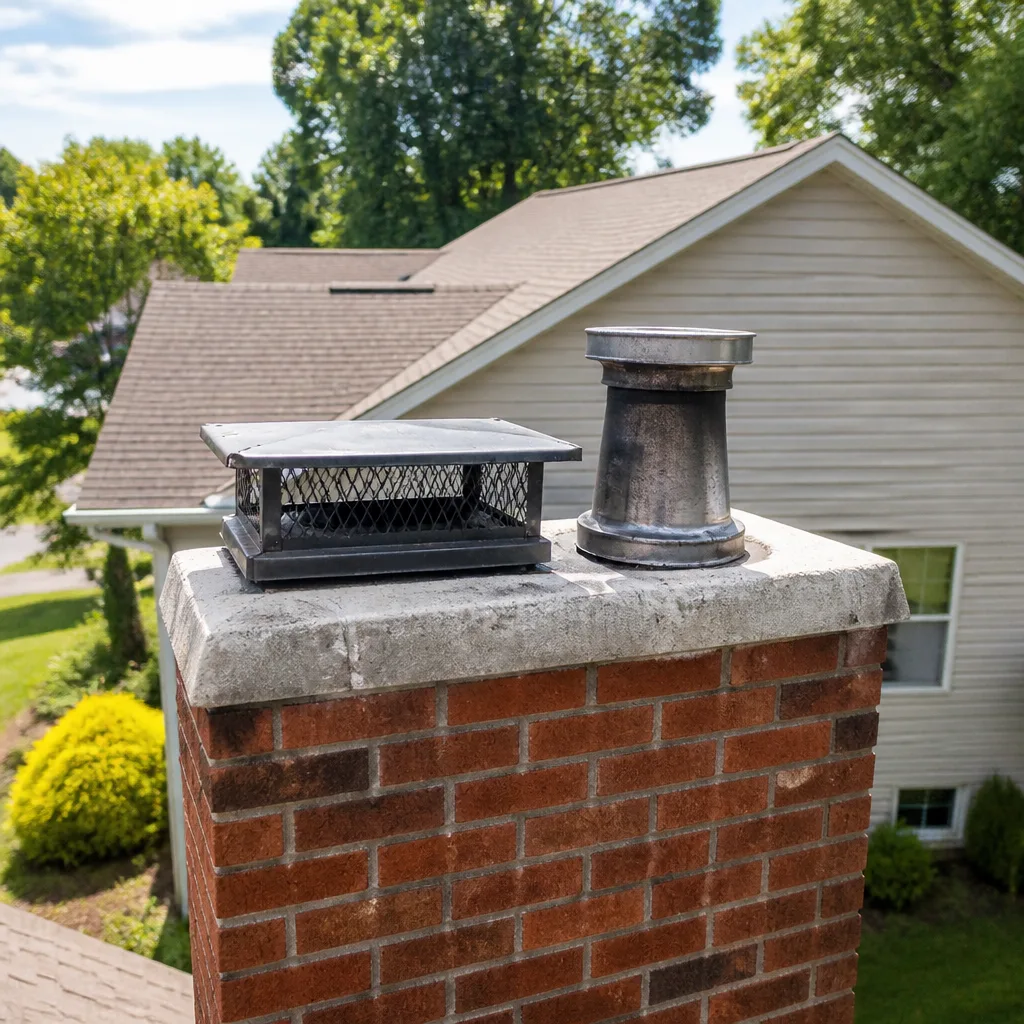 Sweep & inspection
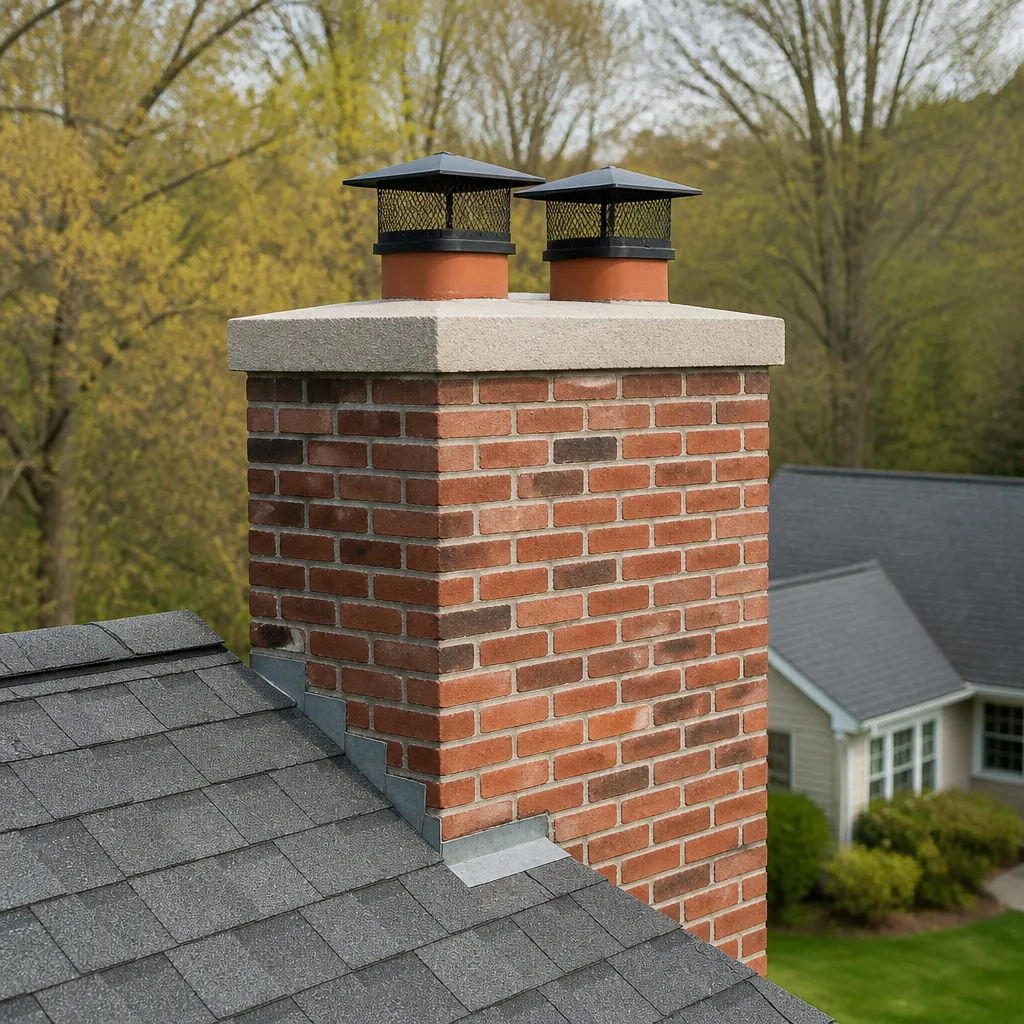 Caps & crowns
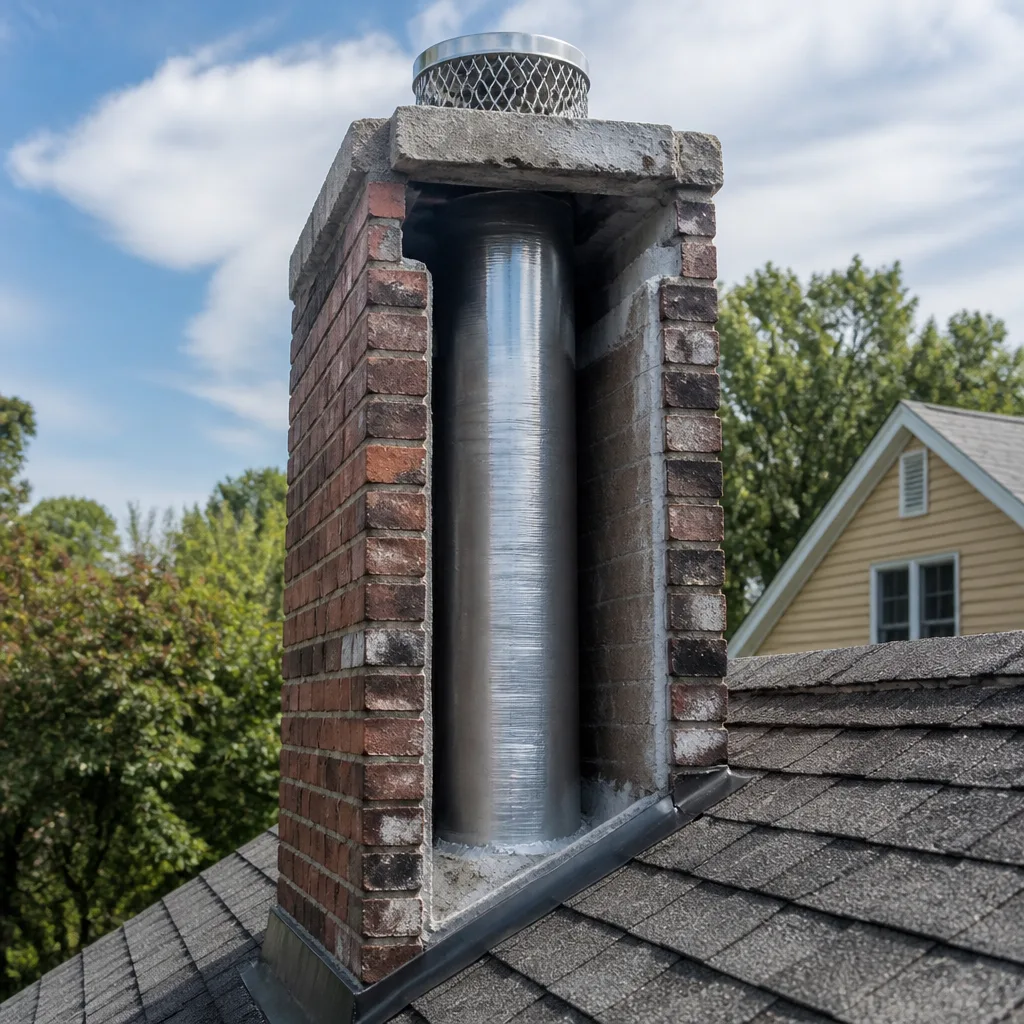 Flue relining
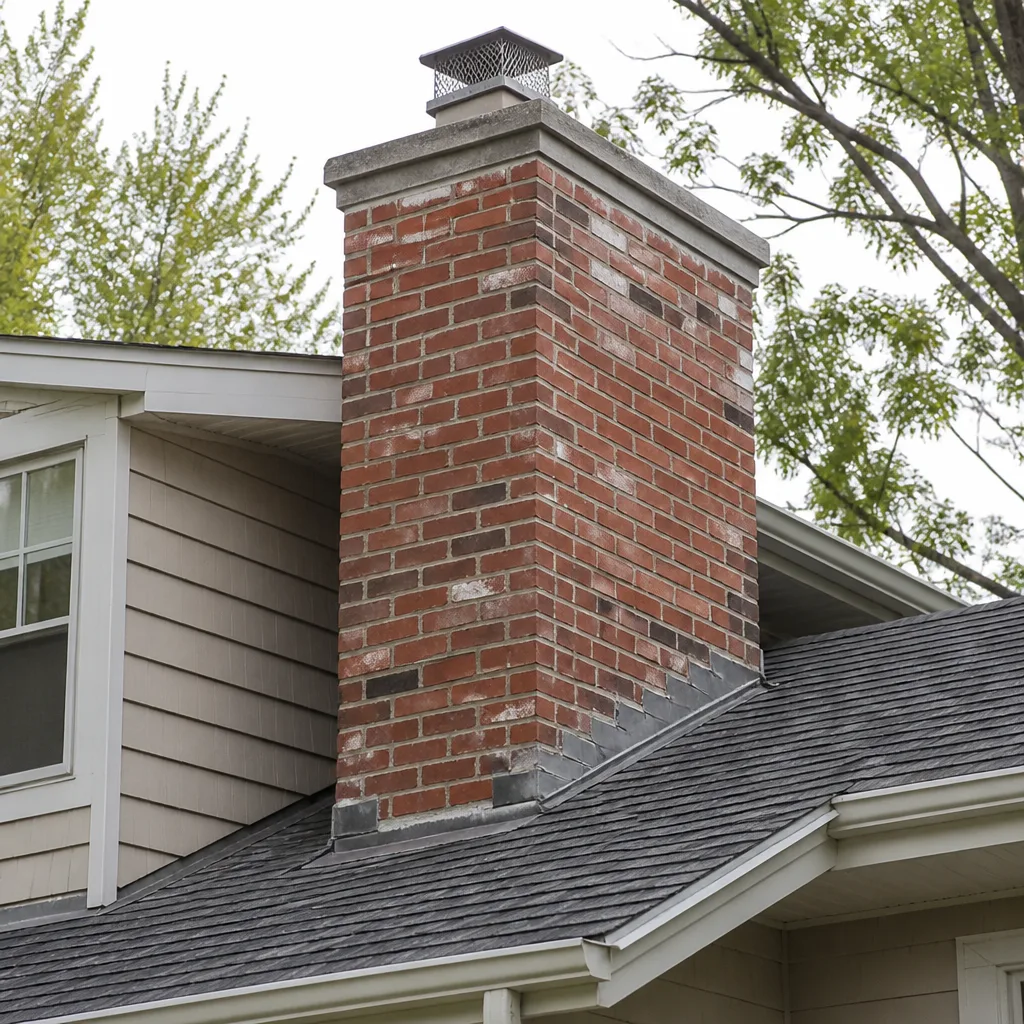 Masonry repair
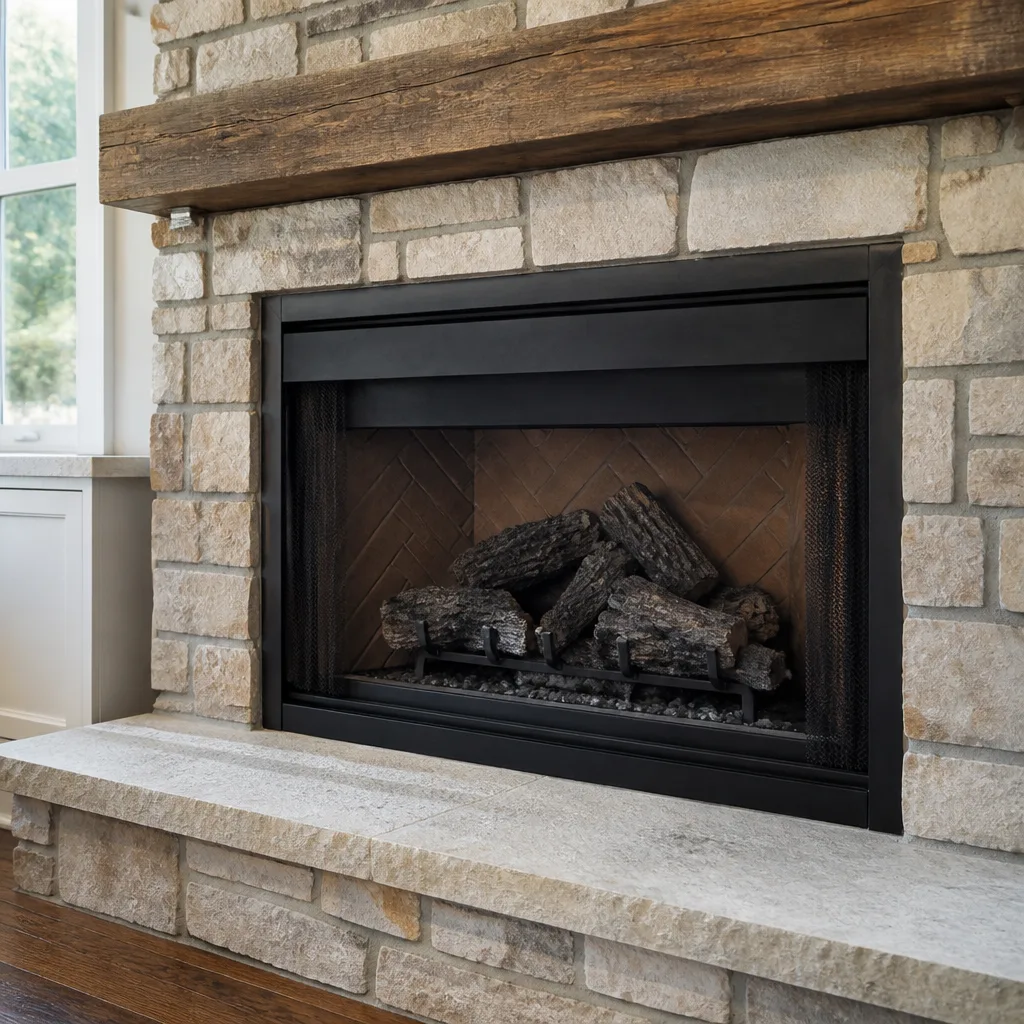 Gas fireplace service
Level 1 sweep and inspection to the NFPA 211 annual standard - flue, crown, cap, and flashing checked and photographed
Chimney sweep logs do not sweep chimneys. They loosen some creosote - which then falls where a brush and vacuum still have to collect it.
Chimney Cleaning Cost Breakdown: The Lexington Homeowner’s Reference for 2026
Two chimney sweep quotes can land three hundred dollars apart and both be honest. That’s the part most homeowners miss. A basic $99 sweep and a $350 sweep aren’t bidding for the same job. One clears the flue and sends you on your way. The other clears the flue, runs the inspection a chimney professional would call complete, and tells you what condition your system is actually in. Only one of them is doing what the trade standards define as a proper annual service.
This guide breaks down what chimney cleaning costs in Lexington, why quotes vary so widely, and how to read a scope of work instead of a bottom-line number. By the end you’ll know which line items belong in a fair quote and which ones you can safely question.
Quick Answer
Chimney cleaning in Lexington typically costs $180 to $340 for a basic sweep with a Level 1 inspection, $250 to $450 when a Level 2 camera inspection is included, and $400 to $650 or more when a sweep turns up repair work in the same visit. The variation comes down to chimney height, story count, appliance type, and how much inspection you’ve agreed to. A written scope of work is what makes two quotes comparable, and the final price should always come from that written estimate.
Styles & brands we work with
- Sweep & inspection
- Caps & crowns
- Flue relining
- Masonry repair
- Gas fireplace service
Table of Contents
- What’s Actually in a Chimney Cleaning Quote?
- What Does Chimney Cleaning Cost in Lexington in 2026?
- What Drives the Price of the Same Service?
- Level 1, Level 2, Level 3: Why Inspections Aren’t Interchangeable
- Which Add-Ons Are Warranted and Which Aren’t?
- Why the Cheapest Quote Often Omits the Inspection
- How to Compare Two Quotes Using the Scope of Work
- Common Mistakes to Avoid
What’s Actually in a Chimney Cleaning Quote?
A chimney cleaning quote is made up of four parts, and not every contractor bundles all four. When you understand the parts, a quote stops being a single number and becomes a list of deliverables you can evaluate one at a time.
The first part is the sweep itself: clearing creosote, soot, and debris from the firebox, smoke chamber, flue, and damper area. The second is the inspection, which has defined levels based on the system’s condition and the history of the home. The third is any repair discovered during the sweep, from a cracked flue tile to a damaged cap. The fourth is what’s left off the quote, and that’s where the real money hides.
The four parts of a complete quote
- Sweep – mechanical removal of creosote and debris from the firebox through the flue. Price depends on how much buildup exists and how long the flue runs.
- Inspection – a visual or camera assessment performed to a defined level, documenting what the sweep couldn’t clear or what the sweep exposed. This is a distinct deliverable, not a bonus.
- Repair – work needed to bring the system back into safe operating condition. Common items are damaged flue tiles, failed caps, deteriorated mortar joints, and liner problems. Repairs vary widely because the underlying materials vary.
- Documentation – photos, a written report, and a clear recommendation on what can wait. A reasonable scope tells you which items are urgent, which can be scheduled, and which are optional upgrades.
When you’re ready to compare quotes, the chimney sweep service page at our site describes what a complete visit looks like. For now, the key point is this: a quote that only covers item one isn’t really a chimney cleaning quote. It’s a cleaning with an unstated gap.
What Does Chimney Cleaning Cost in Lexington in 2026?
In 2026, chimney cleaning in Lexington typically runs $180 to $340 for a basic sweep with a Level 1 inspection, $250 to $450 when a Level 2 camera inspection is added, and higher when repairs are identified. Lexington sits in the Bluegrass region, so most homes here have the tall, straight exterior chimney that comes with a two-story frame house, and that shape usually lands squarely in the middle of these ranges.
Lexington chimney cleaning price ranges, 2026
| Service | Typical range | What’s included |
|---|---|---|
| Basic sweep only | $120 – $220 | Removal of creosote and debris. No inspection documentation. |
| Sweep + Level 1 inspection | $180 – $340 | Sweep, accessible visual inspection, written notes. |
| Sweep + Level 2 camera inspection | $250 – $450 | Video inspection of flue interior, photos, written report. |
| Chimney cap installed | $150 – $400 | Cap and hardware. Famco and Copperfield components are common choices. |
| Waterproofing treatment | $200 – $500 | Vapor-permeable sealer applied to exterior masonry. |
| Flue liner repair (HeatShield) | $900 – $2,800 | Resurfacing of deteriorated flue. Depends on flue length and condition. |
| Full liner replacement (DuraFlex) | $2,400 – $6,500 | New liner installed inside existing flue. Depends on appliance and run. |
These are ranges, not quotes. The written estimate sets the price, and two houses the same age on the same street can land at different numbers depending on the firebox, the damper, and what the inspection finds. In our experience, chimney work in Lexington often turns up seasonal clues: a few weeks of cold snaps in January followed by mild stretches creates a pattern of on-again, off-again burning that can produce more concentrated creosote than steady cold would. That buildup affects how long the sweep takes and how much work is on the estimate.
What Drives the Price of the Same Service?
Two houses three doors apart can get quotes a hundred dollars apart for what’s called the same service. Chimney pricing is driven by physical constraints, and the fixtures here are specific. A tall, straight flue that runs the full height of a two-story home is faster to clean than a short flue with an offset. The quote should reflect that difference.
- Chimney height. A flue that runs to the roofline of a two-story house takes longer to sweep than one on a single-story. Every foot adds work, and heights over roughly 25 feet may need a different approach entirely.
- Story count and roof access. Roof pitch matters. A steep roof on a historic home in the Woodward Heights area or a Cheltenham property means the technician sets up differently than on a low-pitch ranch.
- Appliance type. A wood-burning fireplace produces soot and creosote; a wood stove or insert can produce more concentrated creosote deposits per burn; a gas fireplace produces little to no creosote and is faster to inspect.
- Access complexity. Chimneys on the interior of an old house may have offsets, jogs, or bends that require different tooling. Exterior chimneys are simpler to access from the roof.
- Amount of buildup. A chimney that’s been burned every winter for six years without a sweep has a different job ahead of it than one swept two seasons ago.
- Whether the quote includes documentation. A written report and photos take time to produce and reflect a higher service level, not a padded number.
If your home is in a neighborhood with older housing stock and tall exterior chimneys, expect to be somewhere in the middle of the Lexington ranges rather than the bottom. That’s not a red flag. It’s the physical reality of the house.
Level 1, Level 2, Level 3: Why Inspections Aren’t Interchangeable
A chimney inspection is not one thing. The trade defines three levels, and the level in your quote is the single biggest reason two numbers can look wildly different. Level 1 is a visual check of accessible components while the chimney is in normal service. Level 2 adds a video camera inspection of the flue interior and is warranted when a property changes hands or when conditions suggest a hidden problem. Level 3 is diagnostic work that requires opening parts of the structure, and it comes up only when earlier inspections can’t explain a problem.
What each level covers
- Level 1: Visual inspection of the firebox, damper, smoke chamber, flue opening, and exterior chimney from accessible vantage points. No camera. Appropriately paired with routine annual sweeps.
- Level 2: Adds camera inspection of the full flue length and provides photos or video. Required when there’s a change of occupancy, after a chimney fire, after a chimney-damaging weather event, or when a level 1 inspection suggests a problem.
- Level 3: Diagnostic dismantling, meaning walls or chimney components are opened for direct inspection. Rare, and only when levels 1 and 2 haven’t answered the question.
The gap between a level 1 and a level 2 inspection is real: level 2 requires bringing a camera into the flue, viewing the full interior, and documenting what it finds. That’s why a quote that includes a camera inspection costs more than one that doesn’t. The homeowner who buys a level 1 inspection gets a visual once-over – which is fine for an annual sweep, but not the same service as a camera inspection that can expose a gap in the flue tiles or a cracked crown joint that isn’t visible from the firebox.
A quick word on safety
Creosote is flammable, and a buildup inside the flue is what creates the conditions for a chimney fire. The interior of a chimney is not a place to inspect by hand or with a flashlight from below. That work belongs to a trained chimney technician with the right tools, and the right tools are what separate a proper inspection from a guess. The same logic applies to repairs: a compromised flue liner near a hot appliance needs a trained technician to evaluate it, not a homeowner improvising from a video.
For anyone who wants a camera inspection documented with photos, our chimney repair team handles those in Lexington.
Which Add-Ons Are Warranted and Which Aren’t?
A chimney cap, a waterproofing treatment, and an animal exclusion screen are all real products that do real work. Whether you need one on any given visit depends on what the inspection actually found. That distinction matters, because a chimney in Lexington rarely needs all three at once.
Chimney caps
Warranted when the chimney has no cap, has a rusted or damaged cap, or has a crown that lets water in at the top. A cap keeps rain, debris, and animals out and also helps with draft. A properly installed cap from a brand like Famco or Copperfield is a fine investment when the top of the chimney is open. It’s not warranted if a cap is already in good condition – and an honest quote won’t recommend replacing one that’s doing its job.
Waterproofing
Warranted when the exterior masonry shows signs of moisture absorption: efflorescence, spalling brick, or mortar that’s breaking down. Lexington’s humid summers and freeze-thaw winters put masonry through real cycles, and a vapor-permeable sealer helps. It’s not warranted when the masonry is intact and dry. If a quote recommends waterproofing without showing you the evidence, ask what specifically prompted it.
Animal exclusion
Warranted when the inspection found evidence of birds, squirrels, or raccoons in the flue or on the chimney top. It’s a genuine problem – a nest blocks draft and is a fire hazard. It’s not warranted as a routine line item on every visit. If the flue was clear, you don’t need to pay for exclusion.
The honest rule: nothing above should be recommended without camera evidence you can see for yourself, or photographic documentation of the condition. If the technician can show you a crack in the flue lining or a rusted cap, the add-on is defensible. If they can’t, the add-on is optional at best.
Why the Cheapest Quote Often Omits the Inspection
The cheapest quote is usually cheap because it leaves out the inspection component entirely. A $79 sweep that “includes a quick look” is not the same service as a sweep with a documented inspection. The sweep itself does the visible work – clearing creosote and debris. The inspection is what tells you whether the flue lining is intact, whether the crown is sound, and whether the system can safely be used this heating season.
Skip the inspection and you won’t know any of that until something goes wrong. A small crack in a flue tile can let heat reach combustible framing. A failed crown joint can let water into the masonry, which in a Lexington winter can freeze, expand, and worsen the damage through the spring. By the time the problem becomes obvious, the repair scope is materially larger than it was the season it first showed up.
That’s the concrete cost of choosing the cheapest quote: you may be paying twice, once for the cheap sweep and again for the repair that a camera inspection would have caught earlier. In our experience, the homeowners who call us after skipping a recent inspection are usually the same ones who tell us the sweep was quick and the price was great – and now there’s water staining on the ceiling or a fireplace that won’t draft properly.
We’d rather tell you the system is fine than sell you a repair you don’t need. When a sweep and camera inspection find nothing wrong, work can safely wait, and a quote should say so.
How to Compare Two Quotes Using the Scope of Work
Comparing two chimney quotes by bottom-line number is like comparing two cars by sticker price without knowing what’s under the hood. The way to compare fairly is to line them up item by item, using the scope of work, and see what each quote actually delivers. A written scope of work is the only fair basis for comparing prices.
Steps to compare two quotes
- Confirm the inspection level on each. Is it level 1, level 2, or unspecified? An unspecified inspection is a level 1 at best.
- Confirm whether photos or video are included. Level 2 inspections should produce documentation you can keep. If a quote has no documentation line, asking for it in writing is fair.
- Confirm what the sweep covers. Firebox, smoke chamber, damper, and flue should all be named. A sweep that stops at the top of the firebox isn’t complete.
- Confirm what happens when a repair is found. Can the same crew do it, or will you be told to call someone else? The value of a single-trade chimney company shows up here.
- Confirm the cap and crown condition are on the report. Even if neither needs replacing, both should be described, so you can compare apples to apples with a second quote.
- Confirm the final price basis. The written estimate should set the price for the work described, with any additional work requiring your approval before it goes ahead.
Once both quotes are itemized, the number gap usually explains itself. One quote includes a camera inspection and the other doesn’t. One includes a cap, one doesn’t. One is a chimney-only specialist using professional-grade materials like HeatShield for liner resurfacing, the other is a general contractor who picks up chimney work on the side. Same bottom line, different job.
Our technicians have up to 12 years of experience and each one works exclusively on chimneys, so the scope we write reflects what a chimney specialist would flag. To see how we describe our work in Lexington, our Lexington page covers the neighborhoods we serve every season.
Common Mistakes to Avoid
- Choosing the lowest quote without reading the scope. A quote with no inspection line is cheaper for a reason: it’s doing less. Compare deliverables, then compare price.
- Skipping the sweep because “the fireplace looks clean.” The firebox can look fine while creosote builds up in the flue. The firebox is what you see; the flue is what burns.
- Treating an annual sweep as optional. The trade standard is an annual inspection, and a sweep keeps buildup from reaching the risk threshold. Skipping a year is not the same as skipping a week.
- Accepting a chimney recommendation without photos. Ask to see the camera image of the crack or the documentation of the crack in the crown. If the technician can’t show you, the recommendation is a guess.
- Hiring a general contractor to handle chimney repairs. Chimney-specific materials like HeatShield liner resurfacing and DuraFlex liner systems are installed by chimney specialists, and general contractors don’t carry those systems. A roofer who also does chimneys is doing two trades, and one of them is a side job.
- Assuming gas fireplaces need no service. Gas fireplaces produce little or no creosote, but the venting and the firebox still need an inspection on the same annual basis. Debris and animal nests accumulate whether you burn wood or not.
- Skipping the crown and cap conversation. The top of the chimney is where most water gets in. A cap that’s rusted or missing is a slow, expensive problem that a sweep plus level 2 inspection catches the first season it happens.
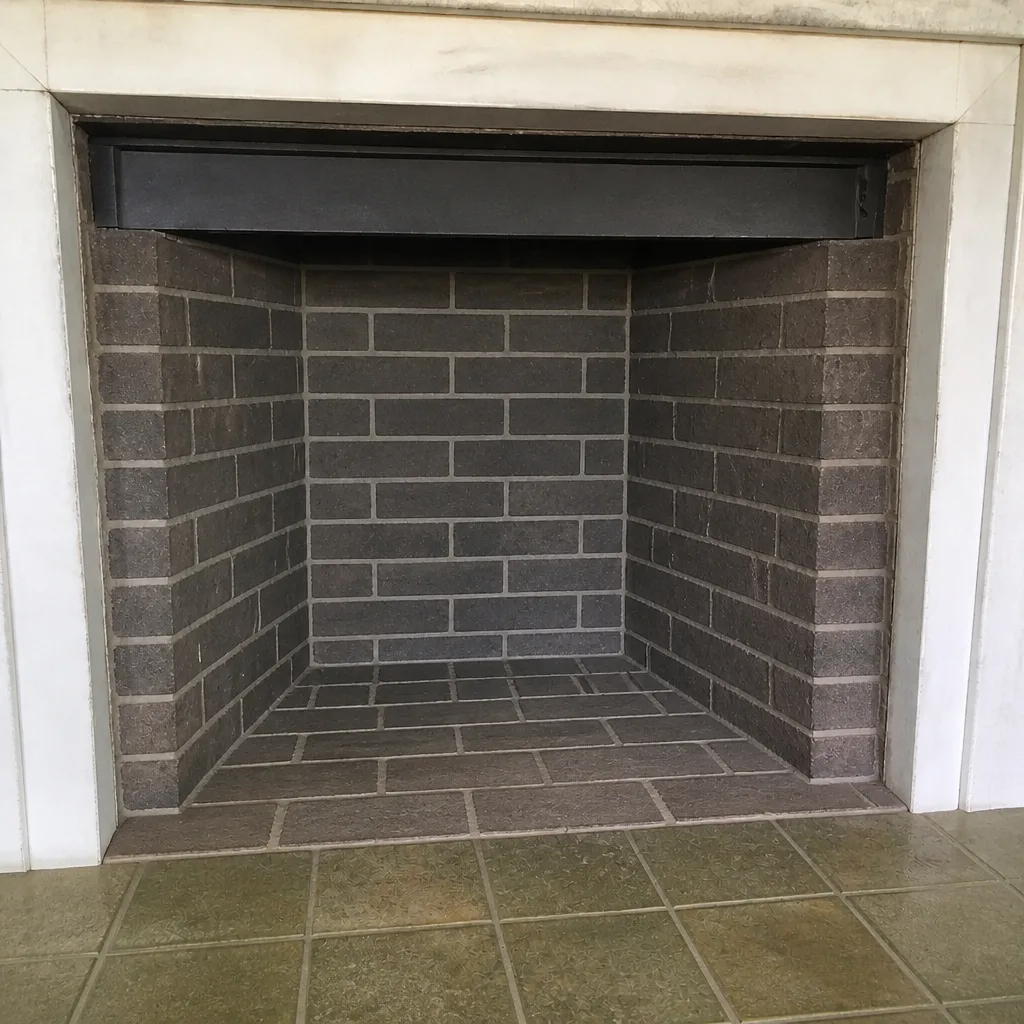
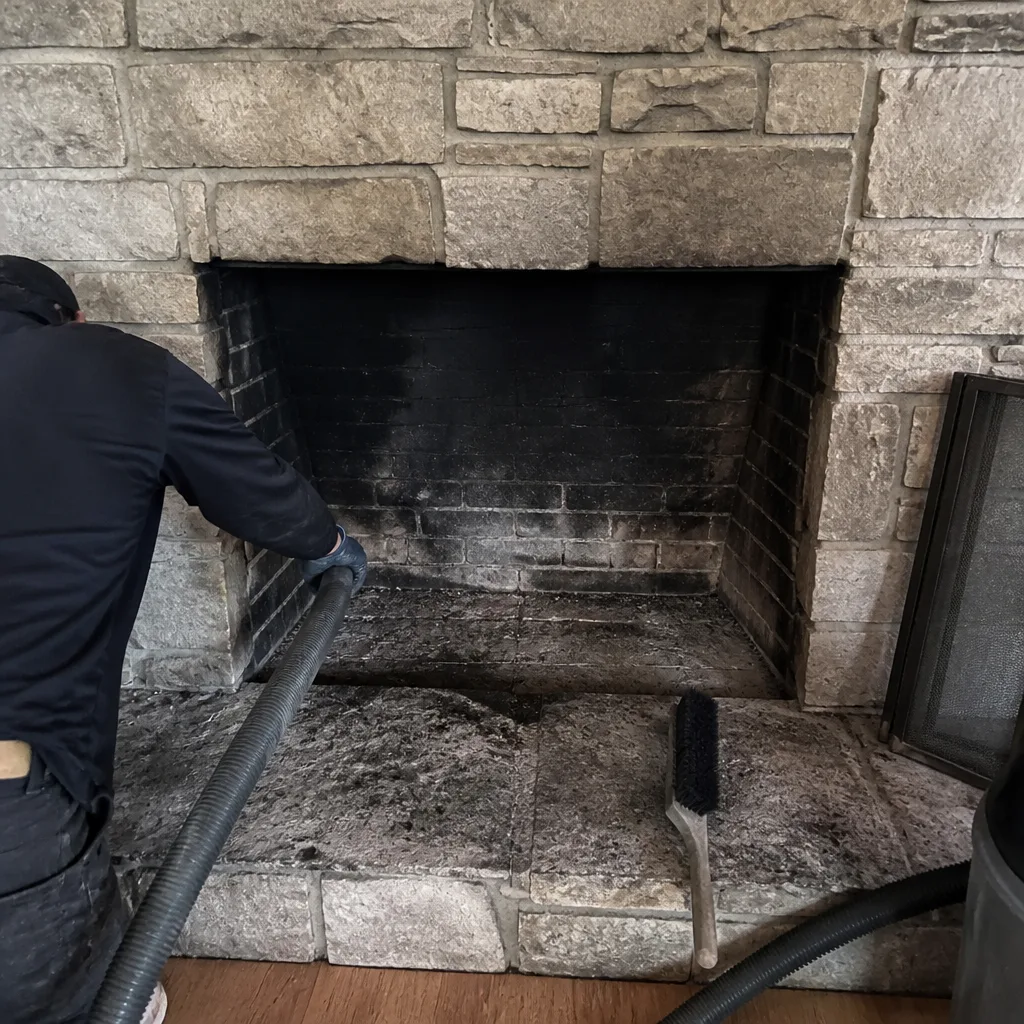
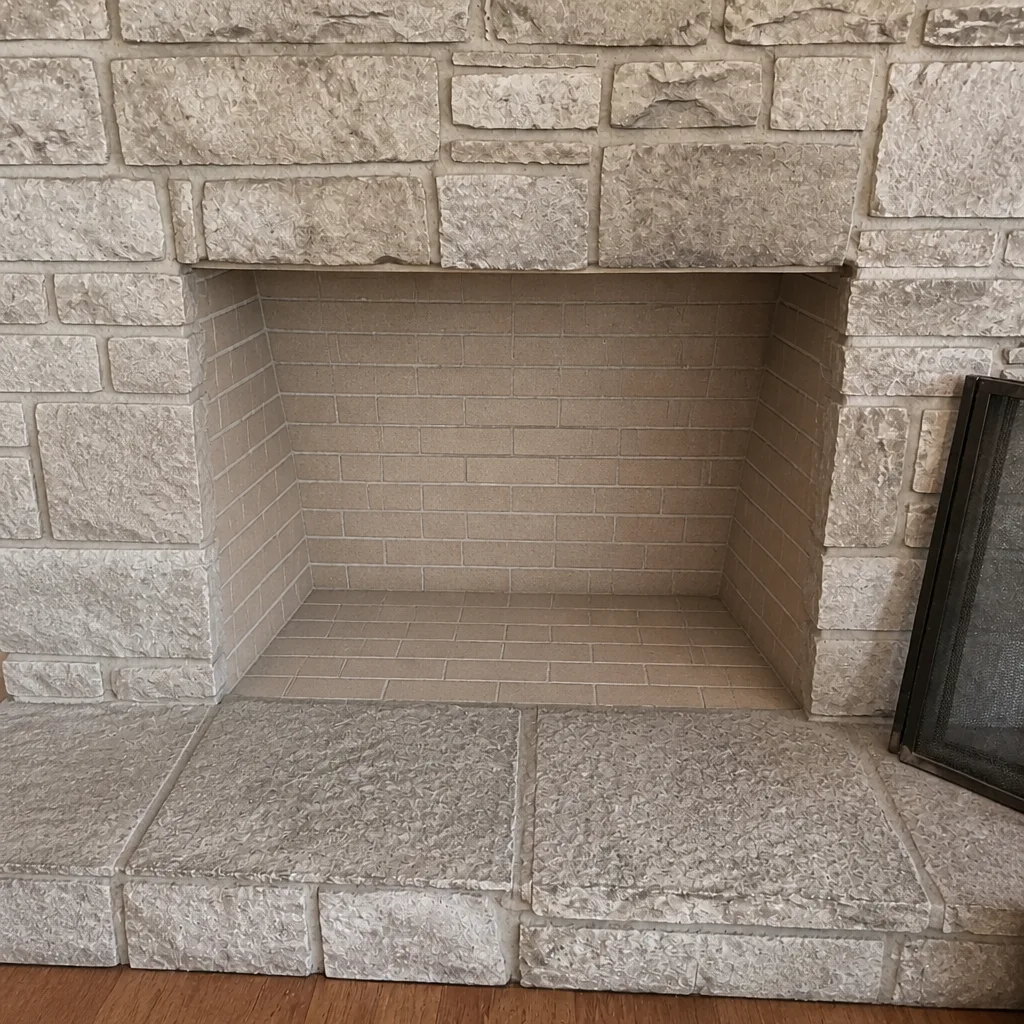
See the difference
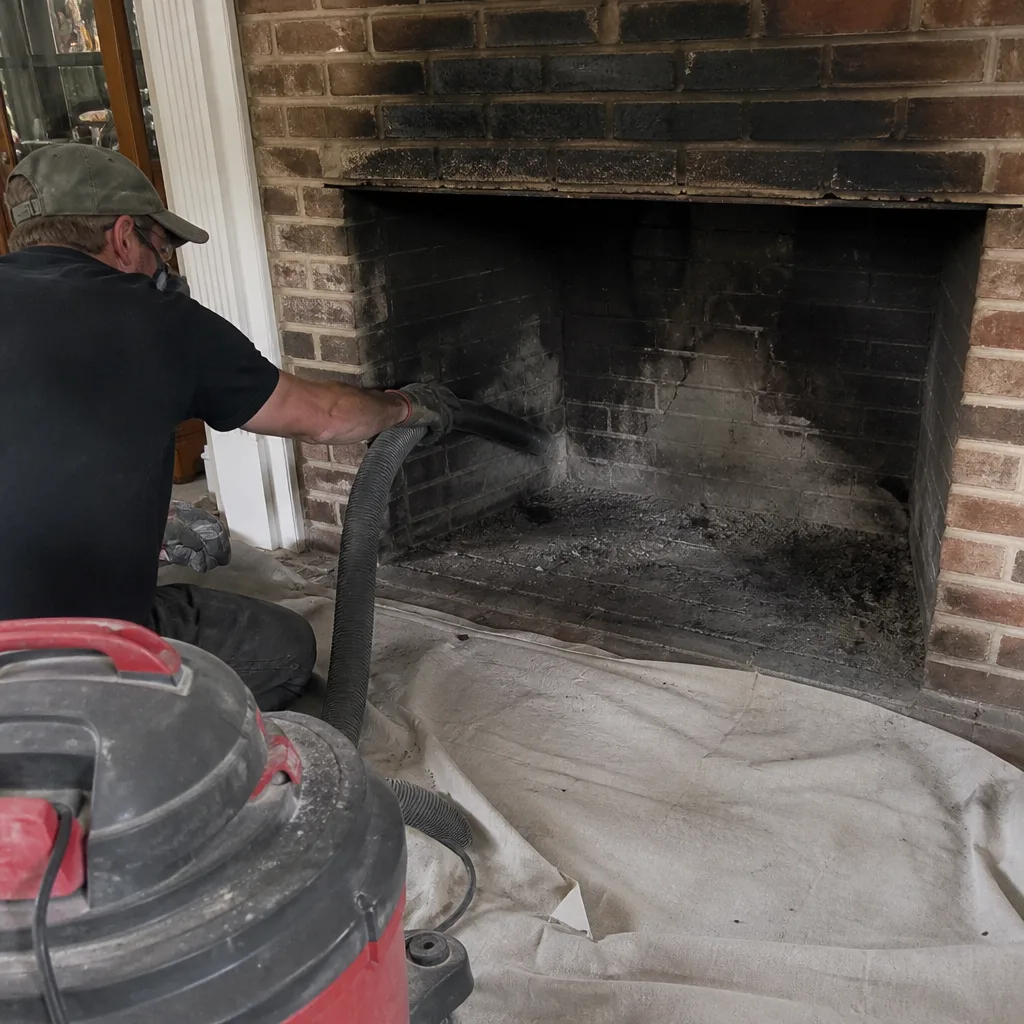 Before
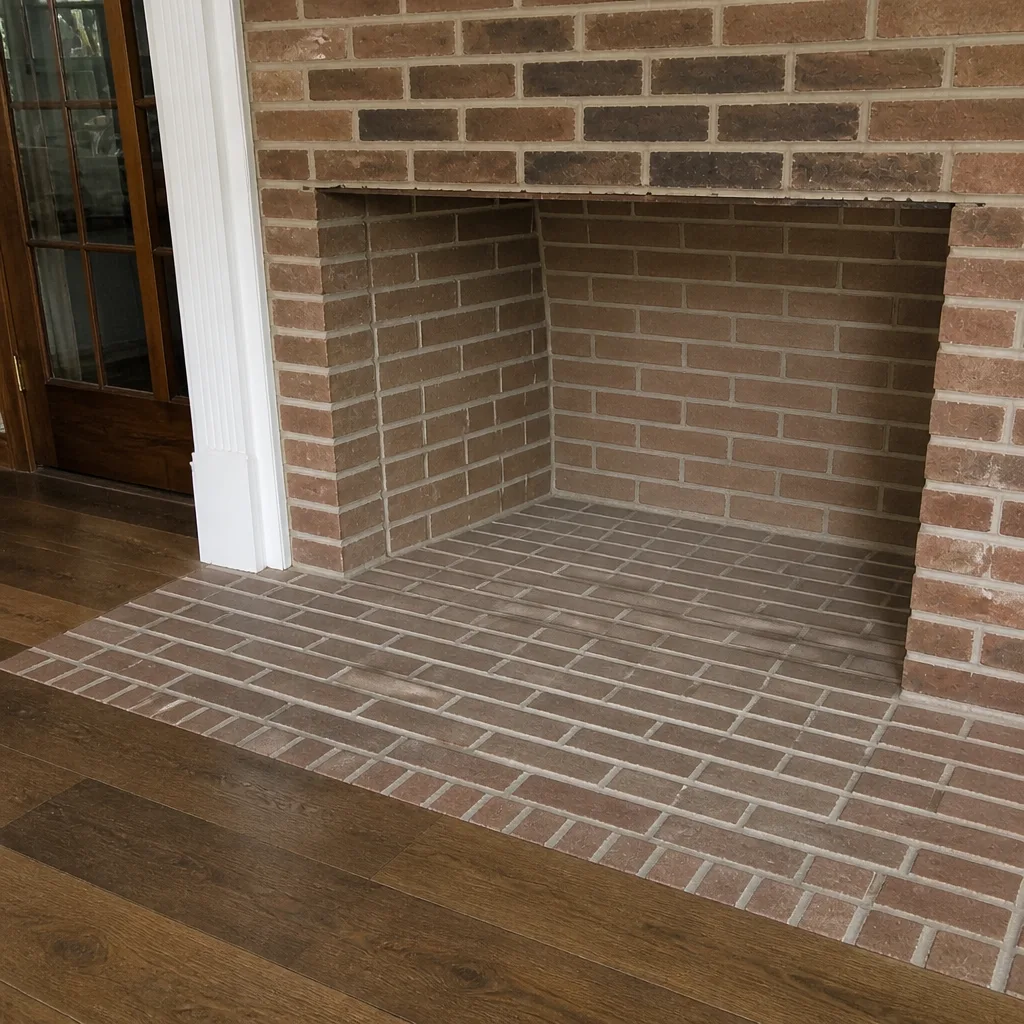 After
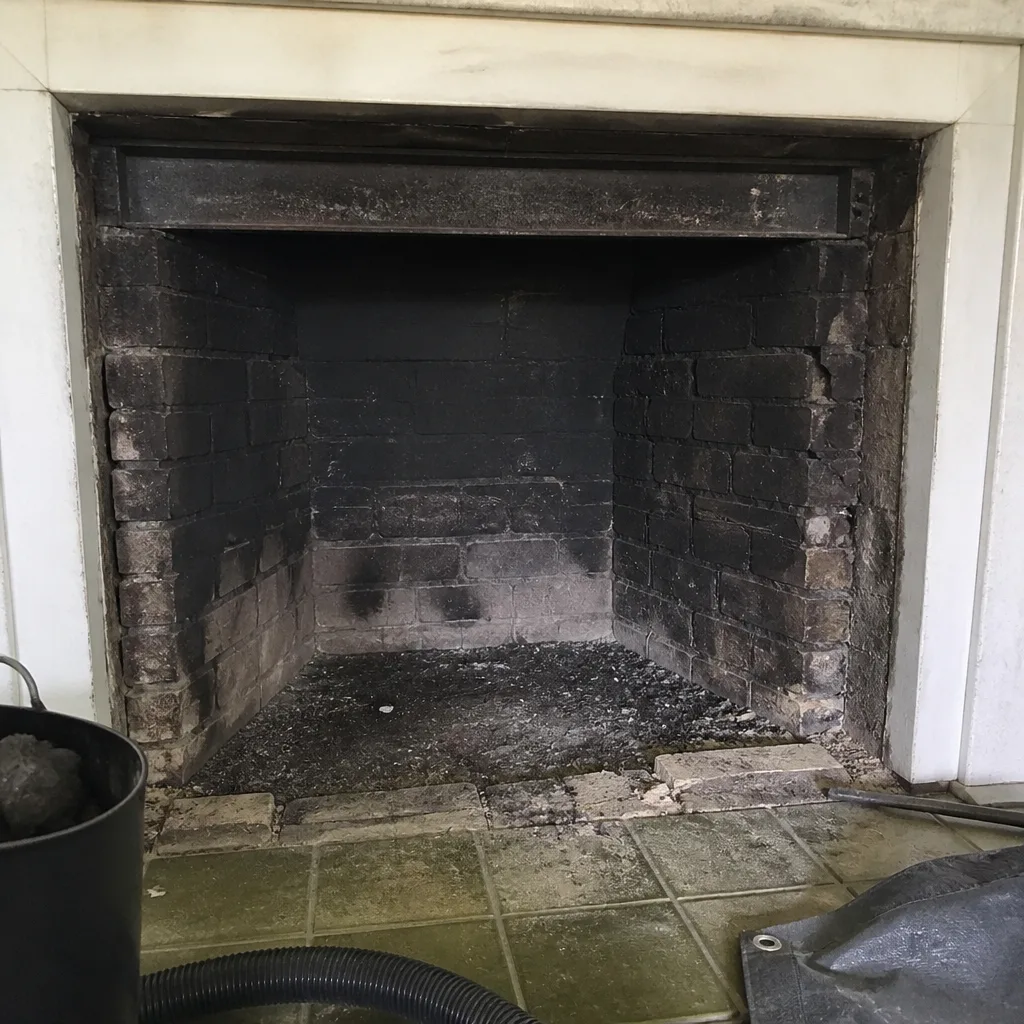 Before
 After
 Before
 After
When to Call a Professional
Some chimney issues are clearly time to call, others can safely wait for the next scheduled visit. Call a professional if you see any of the following: visible creosote buildup beyond a thin dusting, white staining on the exterior brick, a chimney that smokes into the room when you light a fire, water stains on the ceiling near the chimney, a chimney cap that’s bent, loose, or missing, evidence of birds or animals in the flue, or a chimney that has never been inspected. After any chimney fire, call for a level 2 inspection even if the fire was small – the interior damage isn’t visible from the firebox.
For annual maintenance, the right time is one appointment per heating season. In Lexington, scheduling the sweep before the first sustained cold snap on the calendar keeps the chimney ready for the burning season and gives you time to schedule any repair that’s found.
Lexington Chimney Cleaning offers free estimates in Lexington – call (833) 946-8918. We answer 24/7. Fast dispatch from 7am to 7pm, Sunday through Friday. From inspection to repair in one call, so you’re not calling a second company when the sweep uncovers a problem.
Frequently Asked Questions
Chimney cleaning in Lexington typically costs $180 to $340 for a basic sweep with a level 1 inspection and $250 to $450 when a camera inspection is included. Chimney height, story count, appliance type, and access complexity all move the number. Call (833) 946-8918 for an exact quote – estimates are free.
Only if the existing liner is compromised, and you should be able to see the evidence. A cracked flue tile or a deteriorated flue that a camera inspection documents is a real reason for a liner repair or replacement; a liner suggested without a photo or video is a question worth asking. HeatShield liner resurfacing and DuraFlex liner systems are professional-grade repair options, and they’re evaluated on condition, not on age alone. Call (833) 946-8918 – we’ll show you what we find before we recommend anything.
Once a year during the heating season is the standard for a home with a wood-burning fireplace, and more often if you burn heavily or notice buildup. Gas fireplaces still need an annual inspection even though they produce little creosote. Call (833) 946-8918 to get on the schedule before the cold settles in.
Skipping a sweep lets creosote accumulate in the flue, which raises the risk of a chimney fire, and skipping the inspection means small issues like a cracked tile or a rusted cap stay hidden until they get expensive. Neither happens overnight, which is why skipping a season feels harmless right up until it isn’t. Call (833) 946-8918 – an annual appointment is the cheapest way to prevent both.
Chimney caps are worth it when the top of the chimney is open or the existing cap is damaged, and waterproofing is worth it when the exterior masonry shows signs of moisture absorption. Neither is worth paying for if the inspection doesn’t show a problem. Ask for the photo or camera evidence before approving either one. Call (833) 946-8918 for a quote on a cap or waterproofing in Lexington.
Because they’re not the same service. A level 1 inspection is a visual check of accessible parts, while a level 2 inspection uses a camera to see the full flue interior. Level 2 is the higher price and the more complete service. When you compare quotes, compare inspection levels first. Call (833) 946-8918 if you want to see what a level 2 inspection on your chimney actually reports.
The Bottom Line
Chimney cleaning cost in Lexington comes down to what’s in the scope, not what’s at the bottom of the page. A basic sweep runs $120 to $220, a sweep with a level 1 inspection runs $180 to $340, and a sweep with a camera inspection runs $250 to $450 for a typical home. Add-on work for caps, waterproofing, or liner repair adds real money, and every one of those line items should be tied to photographic evidence you can look at.
The quote that wins on price alone is usually the quote that leaves out the inspection – and the inspection is the part that catches small problems before they become large ones. Compare quotes by deliverables, use the written scope as your basis, and let the written estimate set the final price.
When you’re ready to book a sweep, an inspection, or a repair, call Lexington Chimney Cleaning at (833) 946-8918 for a free estimate. We answer 24/7. Fast dispatch from 7am to 7pm, Sunday through Friday. We work with professional chimney trade brands including HeatShield, DuraFlex, Gelco, Olympia Chimney, Famco, and Copperfield, and every technician here works on chimneys and nothing else. We find it, we fix it.
Written by the team at Lexington Chimney Cleaning.