
Last updated November 16, 2026
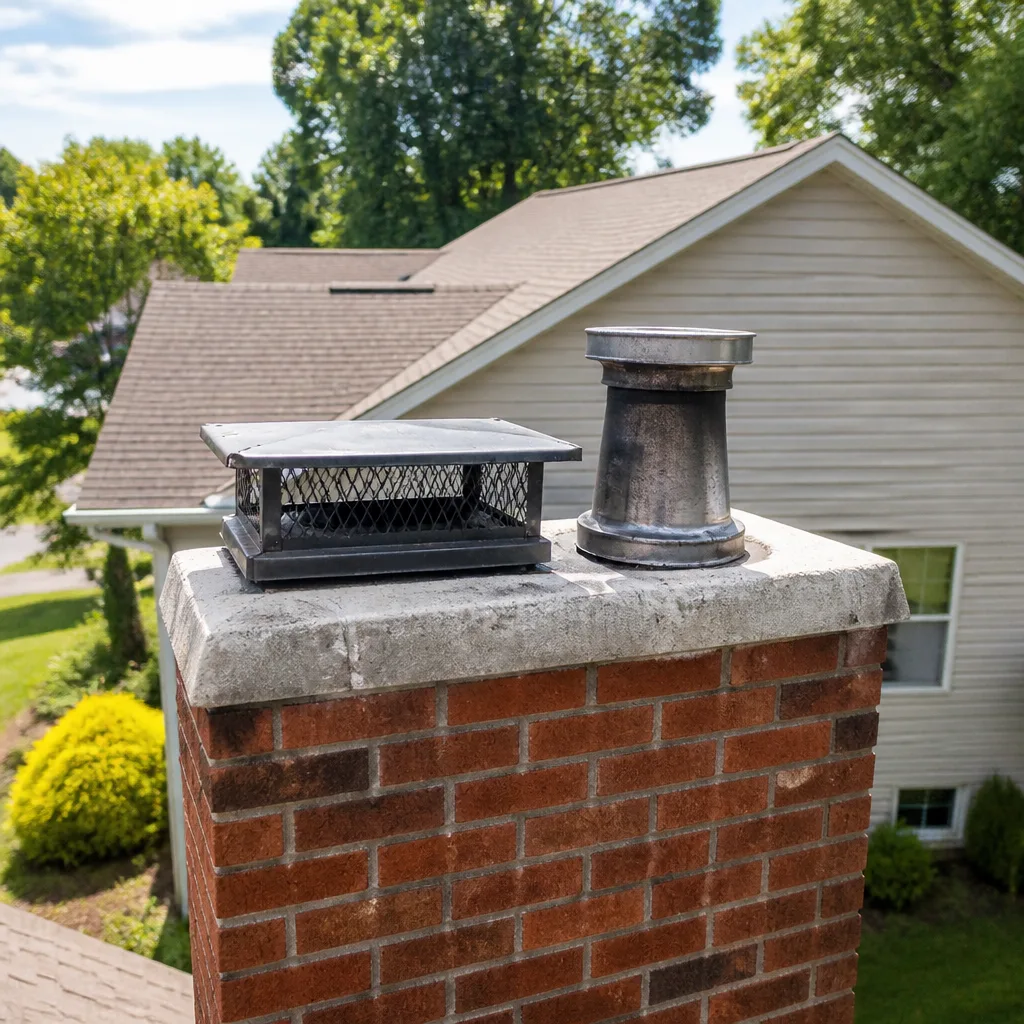 Sweep & inspection
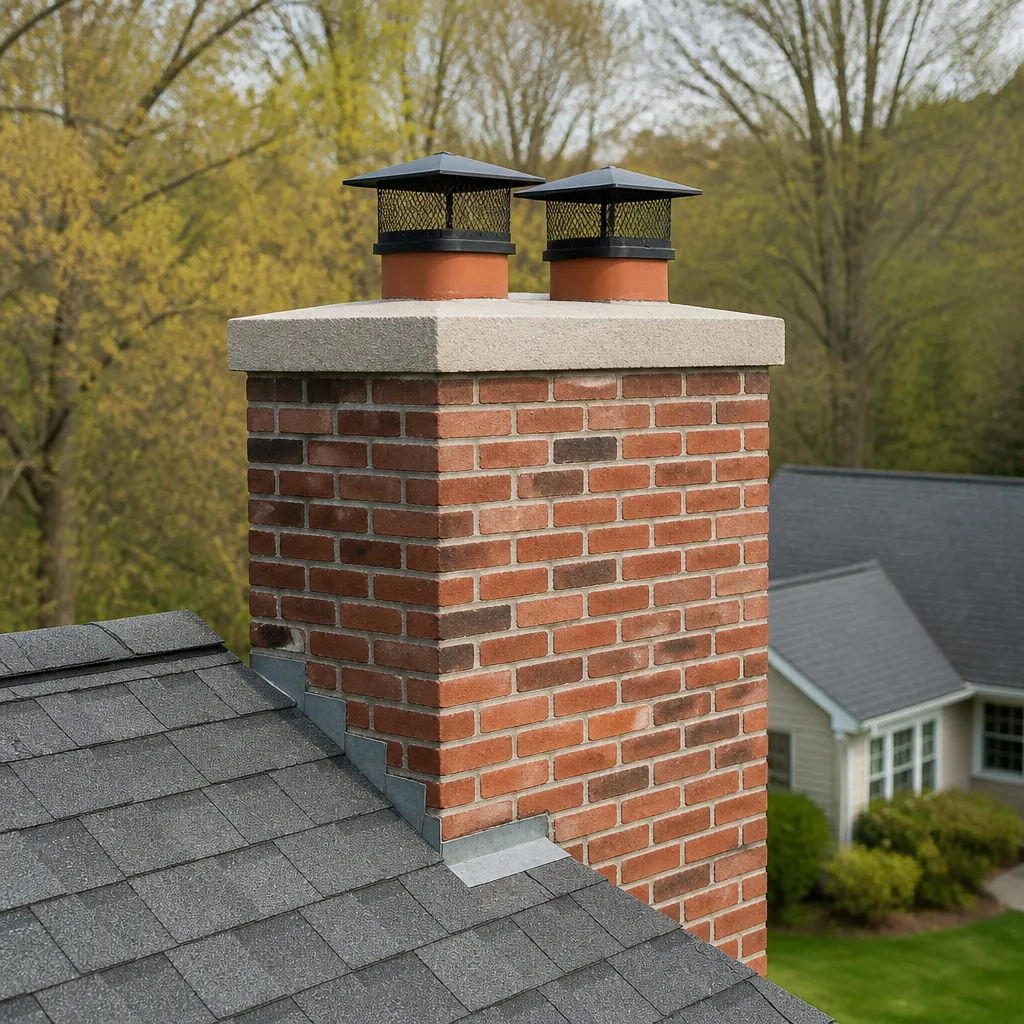 Caps & crowns
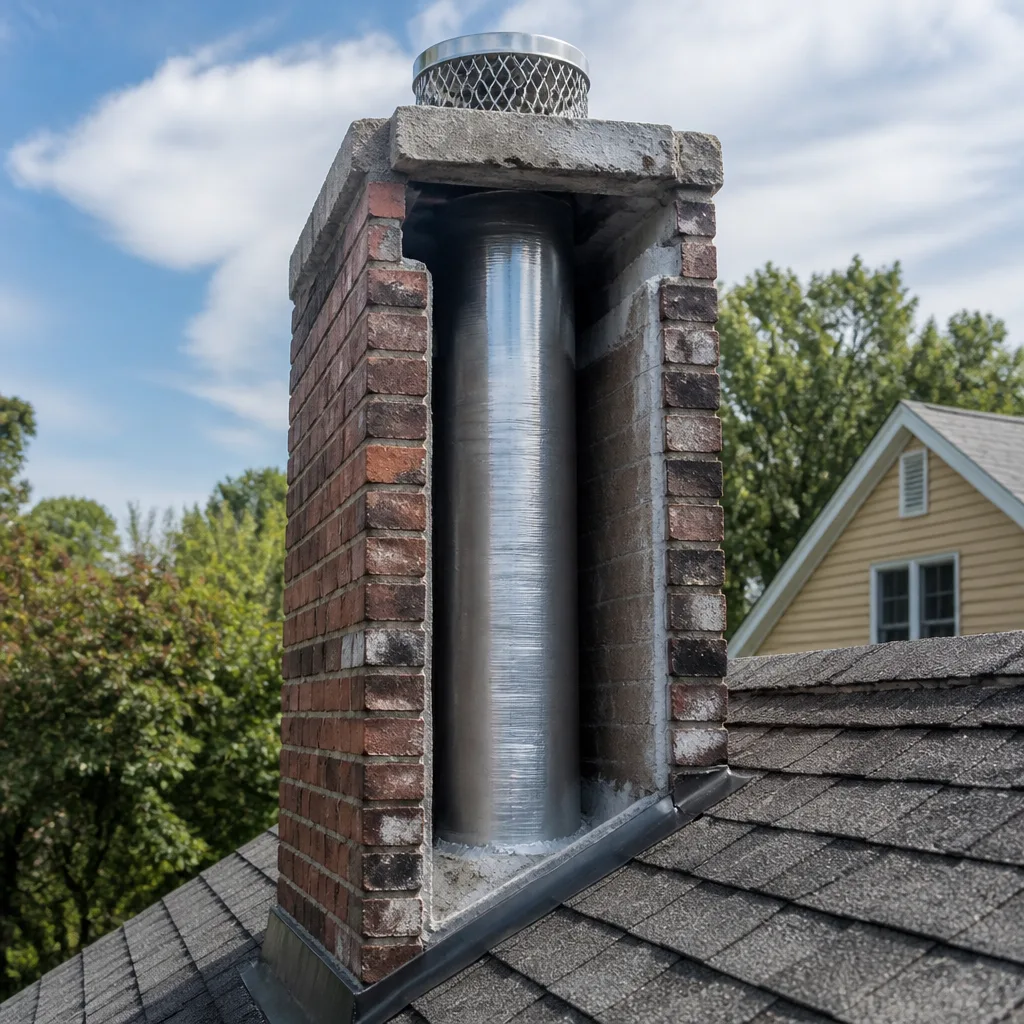 Flue relining
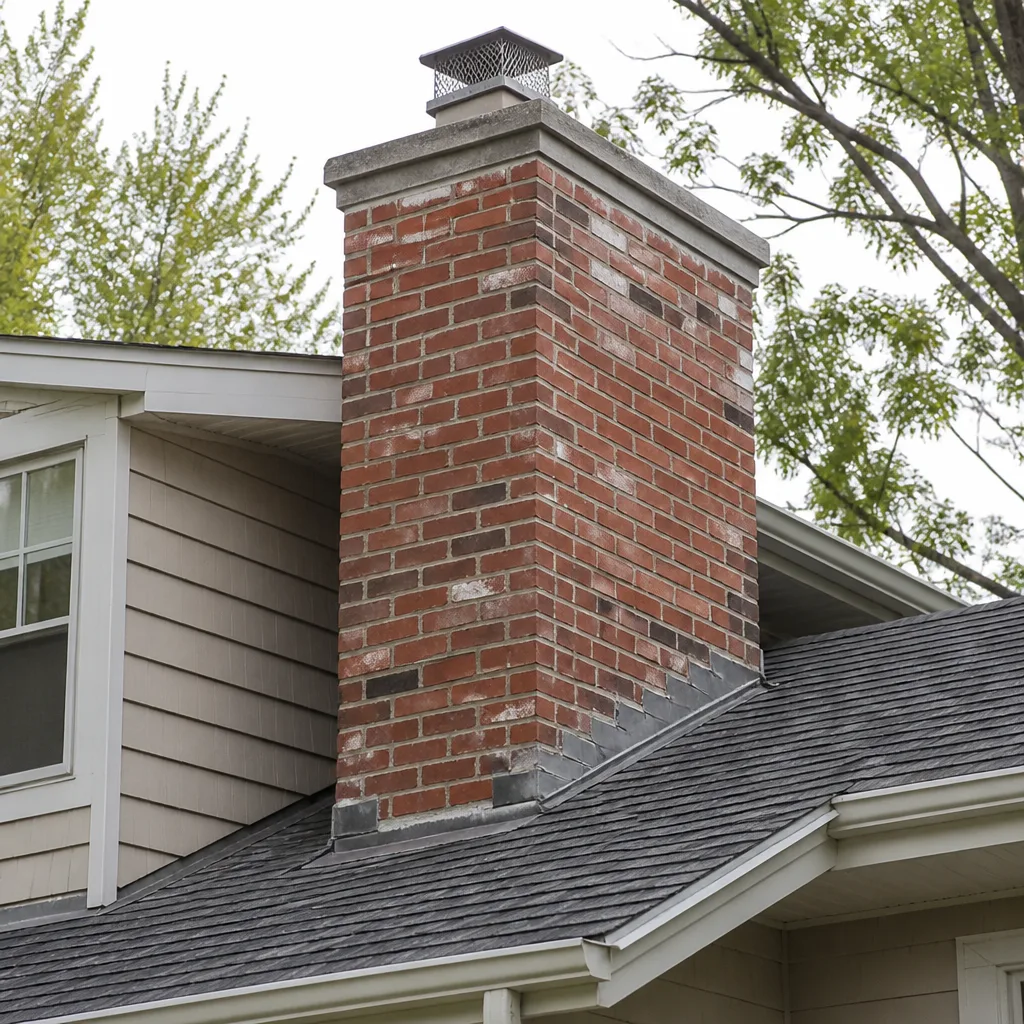 Masonry repair
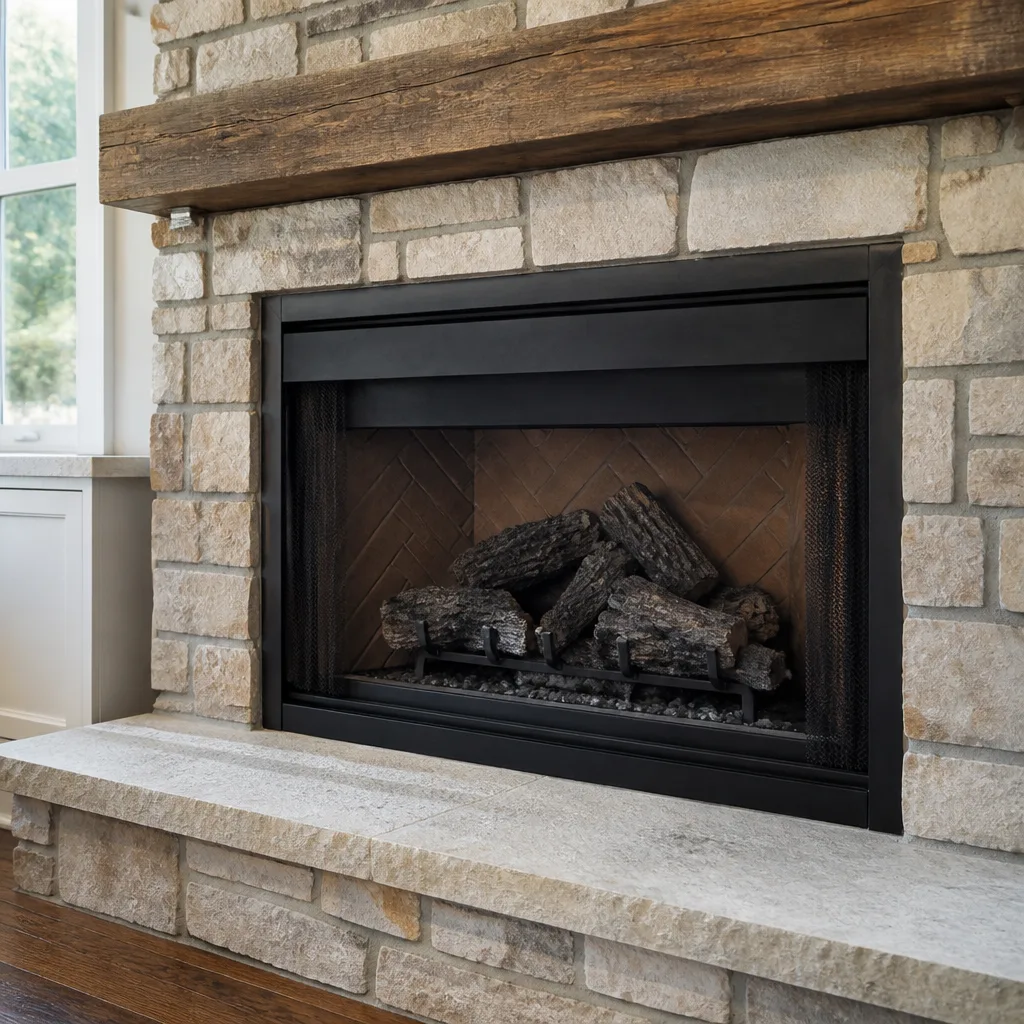 Gas fireplace service
Level 1 sweep and inspection to the NFPA 211 annual standard - flue, crown, cap, and flashing checked and photographed
Chimney sweep logs do not sweep chimneys. They loosen some creosote - which then falls where a brush and vacuum still have to collect it.
Chimney Cleaning Permits, Codes & Inspections in Lexington, KY: What You Need to Know
No permit is needed for a chimney sweep. That surprises a lot of Lexington homeowners, and it’s the reason the next part of the conversation catches them off guard. The repair a sweep recommends after the sweep is a different category of work in the eyes of the Lexington-Fayette Urban County code office, and it’s the category that requires a permit, an inspection, and a paper trail. This guide draws that line clearly: what counts as routine maintenance, what counts as an alteration, how NFPA 211 and Kentucky’s residential code interact, and what happens at a Lexington home sale when the paperwork doesn’t match the work.
Quick Answer
In Lexington, KY, chimney sweeping and inspection are maintenance and don’t require a permit. Anything that alters the chimney system – liner replacement, firebox or crown rebuild, damper changes, or a new appliance connection – is generally permitted work under the Lexington-Fayette Urban County building code, and it must follow NFPA 211. The written record from a permitted job is what protects you at resale.
Styles & brands we work with
- Sweep & inspection
- Caps & crowns
- Flue relining
- Masonry repair
- Gas fireplace service
Table of Contents
- Where Maintenance Ends and Alteration Begins
- NFPA 211 and Kentucky’s Residential Code
- What a Code-Compliant Liner Installation Requires
- Permit History and Your Lexington Home Sale
- How to Verify Your Contractor Pulls the Right Permits
- Inspection Levels and What Each One Documents
- Why Lexington’s Climate and Housing Stock Matter Here
- Common Mistakes to Avoid
Where Maintenance Ends and Alteration Begins
The dividing line in Lexington-Fayette Urban County is straightforward once you name it: maintenance keeps the chimney system as it was, alteration changes it. Sweeping removes creosote and debris and leaves the flue as it was. A brush run down a flue doesn’t need a permit, a plan review, or an inspection appointment. That part of the trade has been permit-free for good reason – it’s cleaning, not construction.
The moment the work changes the system, the picture shifts. The clearest examples in Lexington:
- Liner replacement or relining – a new flue pathway inside the existing chimney structure.
- Firebox rebuild orrefractory panel replacement – structural change to the combustion chamber.
- Crown rebuild or chase modification – work that changes how the chimney sheds water or what it’s built from.
- Damper replacement with a different type – a top-sealing damper replacing a throat damper, for example.
- New appliance connections – a wood stove, insert, or gas appliance that wasn’t previously vented through that flue.
We draw the distinction on the estimate, before any work starts. If a job needs a permit, you’ll know before you’ve paid anything. If it doesn’t, you’ll know that too, and you won’t be sold a permit you don’t need. chimney repair that crosses into alteration is where the paperwork lives, and it’s better to plan for it than to discover it later.
NFPA 211 and Kentucky’s Residential Code
NFPA 211 is the national standard for chimneys, fireplaces, vents, and solid fuel appliances. It’s the document the rest of the trade measures against, and Kentucky’s residential building code adopts its principles for chimney construction and venting, then adds the local permit and inspection framework on top. In practice, that means a code-compliant job in Lexington has to satisfy both: the installation standard and the local enforcement process.
What NFPA 211 actually governs, in plain terms:
- Clearances – how far combustible material must sit from the flue, the chimney exterior, and the appliance connector.
- Flue sizing – matching the flue cross-section to the appliance, so draft works and products of combustion leave the house.
- Liner integrity – continuous, properly joined, and free of cracks that let heat or gas escape.
- Cap and termination – the chimney must end at the correct height and be capped against weather and animals.
- Access for inspection – cleanout doors and accessible flue sections so future inspections can actually happen.
Kentucky modifies the national framework in how it’s enforced, not in what safe chimney construction looks like. The Lexington-Fayette Urban County building department is the authority that issues the permit and signs off on the inspection, and NFPA 211 is the standard the inspector checks against. You don’t need to memorize either document. You do need to know they exist, because a contractor who doesn’t mention them at all is telling you something about how the job will be done.
What a Code-Compliant Liner Installation Requires
A compliant liner installation is a measured, documented job, not a quick patch. The differences between the two are visible before the first piece of liner goes down the flue.
Sizing
The liner must be sized to the appliance it serves. Too large and the flue runs cold, which builds creosote faster. Too small and draft suffers. Sizing comes from the appliance’s venting requirements and the flue’s actual dimensions, measured on site – not guessed from the fireplace opening.
Material specifications
The liner material must be rated for the fuel being burned and matched to the appliance. A wood appliance needs a liner rated for the temperatures and conditions of solid fuel. A gas appliance has different needs. This is where professional-grade products matter: brands like DuraFlex and HeatShield are designed for specific applications, and their specifications mean something an inspector can check. Copperfield and Gelco cap and component lines follow the same logic – correct part for the correct job.
Documentation
A properly installed liner comes with a written record: the material used, the size, how it was connected at the top and bottom, whether insulation was part of the installation, and the appliance it serves. That record is what a future inspector, buyer’s inspector, or code official reads when they ask what’s inside the chimney.
Insulation and connection
Insulation on a liner isn’t decorative. It protects against heat transfer to the chimney structure and helps the flue come up to temperature. Top and bottom connections must be sealed and mechanically sound. A liner that’s dropped in without proper termination is not the same product as a liner that’s installed per specification, and the difference shows up in how the system performs and how it holds up.
HeatShield liner resurfacing is a different category of repair again. It restores the existing flue with a specialized application only trained applicators can perform. It’s not a patch – it’s a documented repair that has to meet the same standard a new liner does. Either route can be a legitimate solution, but both need the same paperwork, and both should be explained in writing before the work starts.
Permit History and Your Lexington Home Sale
Permit history on chimney work shows up at resale, and it shows up through the home inspection. When a buyer’s inspector looks at a chimney and sees a liner that looks newer than the rest of the house, the next question is whether the work was permitted. If there’s no record, the buyer’s agent asks for one, and the answer can stall a closing or cost the seller negotiating room.
Across neighborhoods like Chevy Chase, Kenwick, and the older sections of downtown, we see the same pattern: chimneys that have been functionally sound for many years but carry no paperwork for the liner replacement done during a previous ownership. The work may have been done well. The trouble is that nobody can prove it from a record, and a buyer’s lender or insurer may want more than a verbal assurance.
What a clean paper trail gets you at a Lexington home sale:
- A permit record showing a liner or firebox change was inspected and signed off.
- The notice of final inspection, which is often what an inspector asks to see.
- A current sweep and inspection report showing the system’s present condition.
- Confidence that your asking price doesn’t have an unspoken “chimney discount” baked into buyer offers.
- A faster, calmer inspection stage, because nothing needs to be reconstructed from memory.
If you’re the buyer in that situation, ask for the permit history on any chimney work disclosed in the sale. It’s a fair question, and the answer is either in the county’s records or it isn’t.
How to Verify Your Contractor Pulls the Right Permits
Verification is simpler than most homeowners expect, and it’s worth doing before the job, not after. A contractor who pulls the correct permits will tell you so plainly. A contractor who suggests skipping that step is telling you something different about how the rest of the job will go.
- Ask whether a permit is required for your specific job. A clear answer, either way, is the first sign of a contractor who knows the code. “Permits aren’t needed for chimney work” as a blanket statement is not a clear answer – the answer depends on the work.
- Ask who is pulling the permit. The homeowner can pull their own, but when a contractor does the work, the contractor should be the one named on the application. If they can’t put their name on it, ask why.
- Get the permit number before work starts. Write it down. A permit number is the reference point for every inspection and every future record request.
- Confirm who meets the inspector. The contractor should be on site for the inspection, not just send you a text when it’s over. The inspection is part of the job.
- Ask for the final inspection notice when the job closes. That notice is the document that protects you at resale. If the contractor doesn’t think it matters, the job isn’t finished.
- Check the county’s online permit records yourself. Lexington-Fayette Urban County allows record lookups, and a few minutes there confirms what you were told.
If a contractor suggests skipping the permit to save time or money, that’s a red flag worth acting on. The permit exists to protect the homeowner, and the final inspection is the evidence the work meets NFPA 211. Unpermitted work isn’t automatically unsafe – but it’s automatically undocumented, and that’s the problem.
Inspection Levels and What Each One Documents
Not every inspection is the same scope, and knowing the levels helps you understand what you’re paying for and what the report actually covers.
- Level 1 inspection – visual, with the readily accessible parts of the chimney and appliance. It’s the standard inspection done with an annual sweep, and it’s what most Lexington homeowners need as routine maintenance.
- Level 2 inspection – includes the whole flue with a camera, plus accessible attics, crawl spaces, and chimney sections. It’s the right inspection after a liner change, after an appliance change, or before a home sale.
- Level 3 inspection – reserved for a specific concern that requires opening part of the chimney or structure. It’s targeted, not routine.
The camera evidence matters here more than the label. A Level 2 inspection report with photos of the flue interior is something you can read and understand. A written summary with no images is harder to trust. When we sweep and inspect, the photo report goes to the homeowner, not into a file. chimney sweep work and inspection are a single visit, and the documentation from that visit is the starting point for any repair conversation.
One practical note for Lexington: a proper inspection is also what triggers the permit question. If the camera shows a failed liner, you’ll want to know the repair route and the paperwork before you agree to anything. That sequence – sweep, inspect, document, then decide – is the only order that makes sense, and it’s the order we follow on every job.
Why Lexington’s Climate and Housing Stock Matter Here
Lexington’s seasons put real stress on chimney systems. Winters are cold enough that fireplaces run hard for months, which means more creosote accumulation and more cycle of heat and cool through the chimney structure. Springs are wet, which is when water finds the crown cracks and mortar joints that winter opened up. Summer heat then dries the masonry and drives moisture movement that weakens the whole assembly. That annual cycle is why the inspection matters as much as the sweep.
Housing stock is the other factor. Lexington has a wide range of chimney types across its neighborhoods, and older chimneys were built to different standards than today’s code. A chimney that was correct for its era may not satisfy NFPA 211 clearances or flue sizing for a modern appliance. That’s not a defect; it’s history. But it’s the reason an appliance upgrade often means a liner upgrade, and it’s the reason permit records from earlier work are worth asking about.
In our experience, the most useful thing a Lexington homeowner can do is get the full picture once: a sweep, a Level 2 inspection with photos, and a written report of what’s working and what isn’t. From there the permit question answers itself. If the flue is sound, there’s nothing to permit. If it isn’t, the report is the first document in a paper trail that will matter later.
Common Mistakes to Avoid
- Assuming the sweep includes a permit for everything. A sweep is maintenance, and maintenance doesn’t need a permit. The repair a sweep recommends is a different category, and it’s the repair that requires one. Treat the two as separate conversations.
- Accepting a blanket “permits aren’t needed for chimney work.” That statement is wrong for liner replacement, firebox work, and appliance connections. A contractor who says it without qualifying the job isn’t giving you an accurate answer, and you should ask follow-up questions.
- Skipping the final inspection notice. A homeowner who gets the permit pulled but never confirms the final inspection signed off has half a paper trail – and the missing half is the part that matters at resale.
- Treating a liner patched with a quick fix as an equivalent repair. A patch that isn’t documented, sized, or rated to the appliance doesn’t meet NFPA 211, and it may not survive the next inspection. A liner is either compliant or it isn’t.
- Letting the appliance get ahead of the flue. Installing a new stove or insert without checking whether the existing flue meets sizing and clearance requirements is one of the most common code issues we see. The flue has to be evaluated for the appliance, not the other way around.
- Not asking for permit history when buying a Lexington home. The buyer’s inspector will look at the chimney. If the seller can’t produce records, the negotiation gets harder. Ask for the history during the disclosure period, not after closing.
- Treating the annual sweep as optional. The sweep is what generates the inspection findings, and the findings are what tell you whether permit-level work is coming. Skipping the sweep doesn’t avoid the repair – it just delays the discovery.
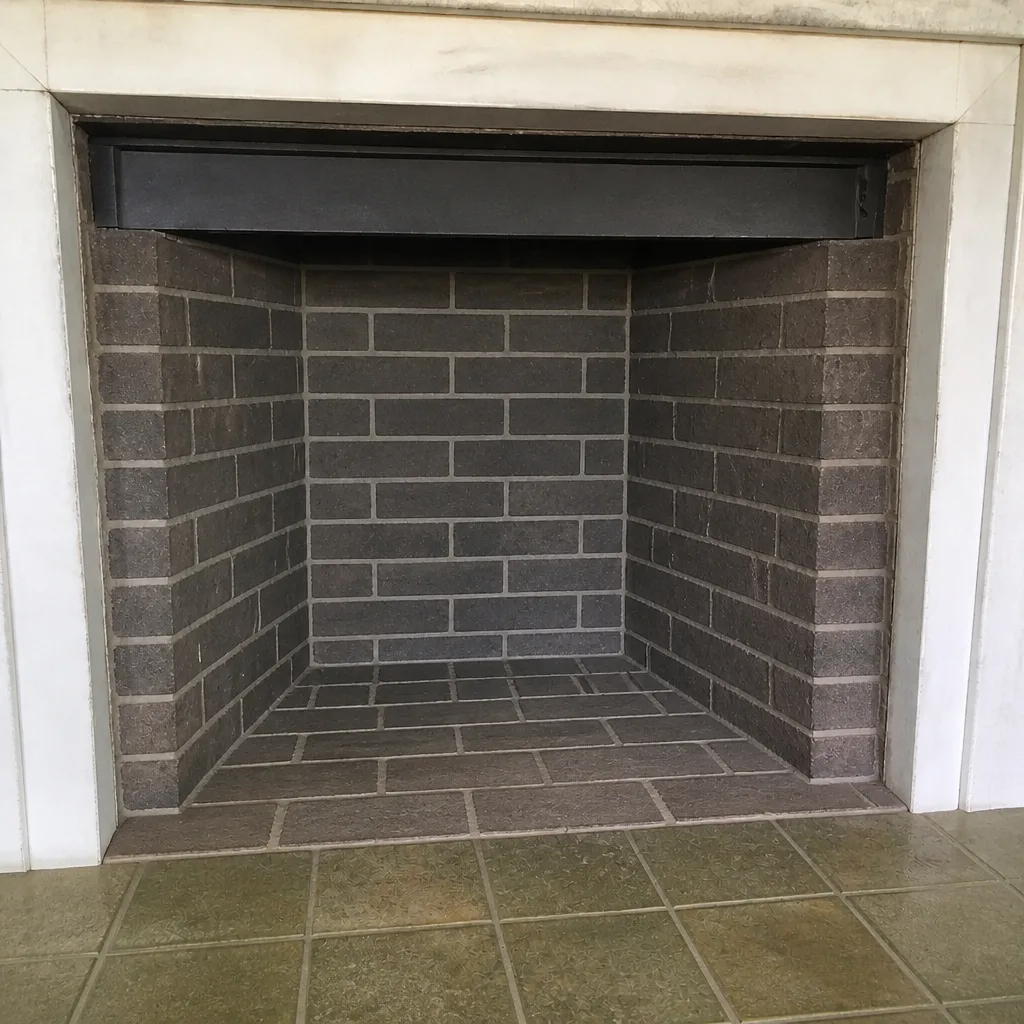
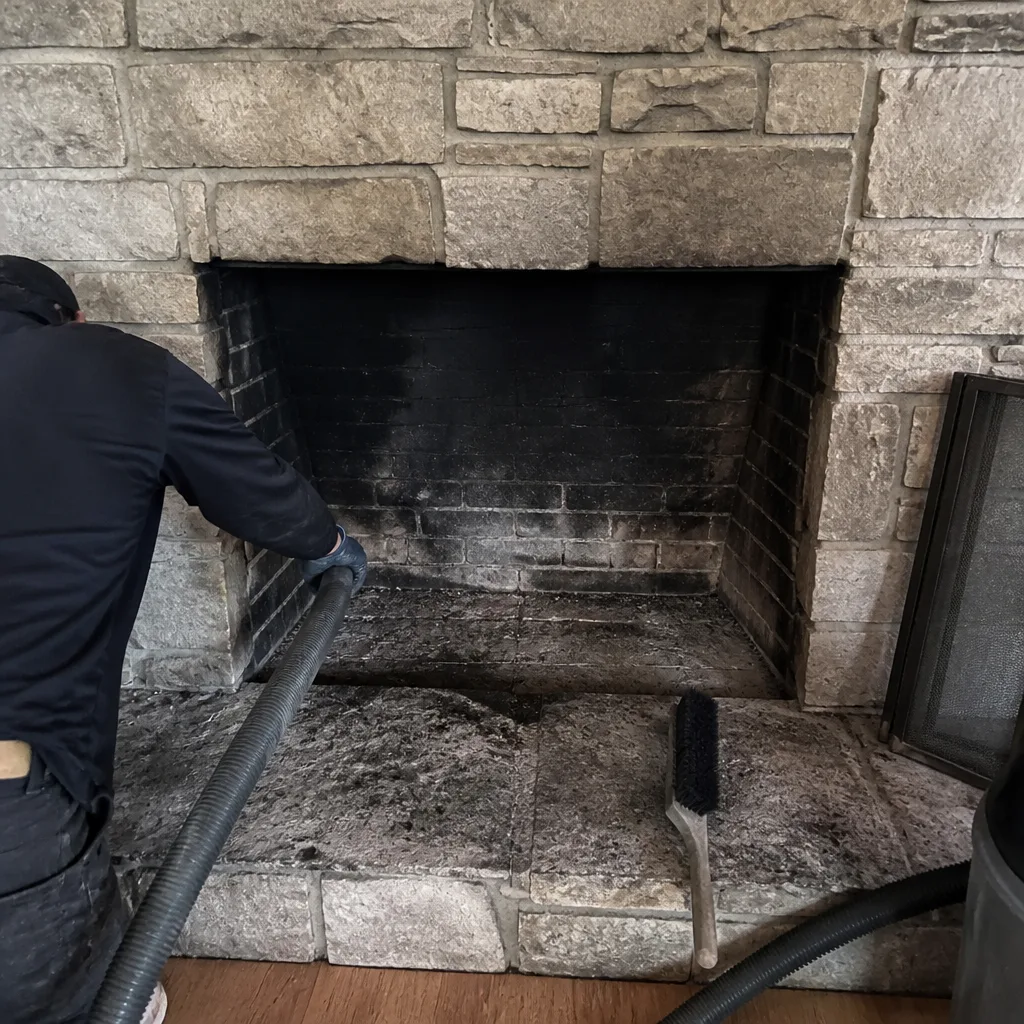
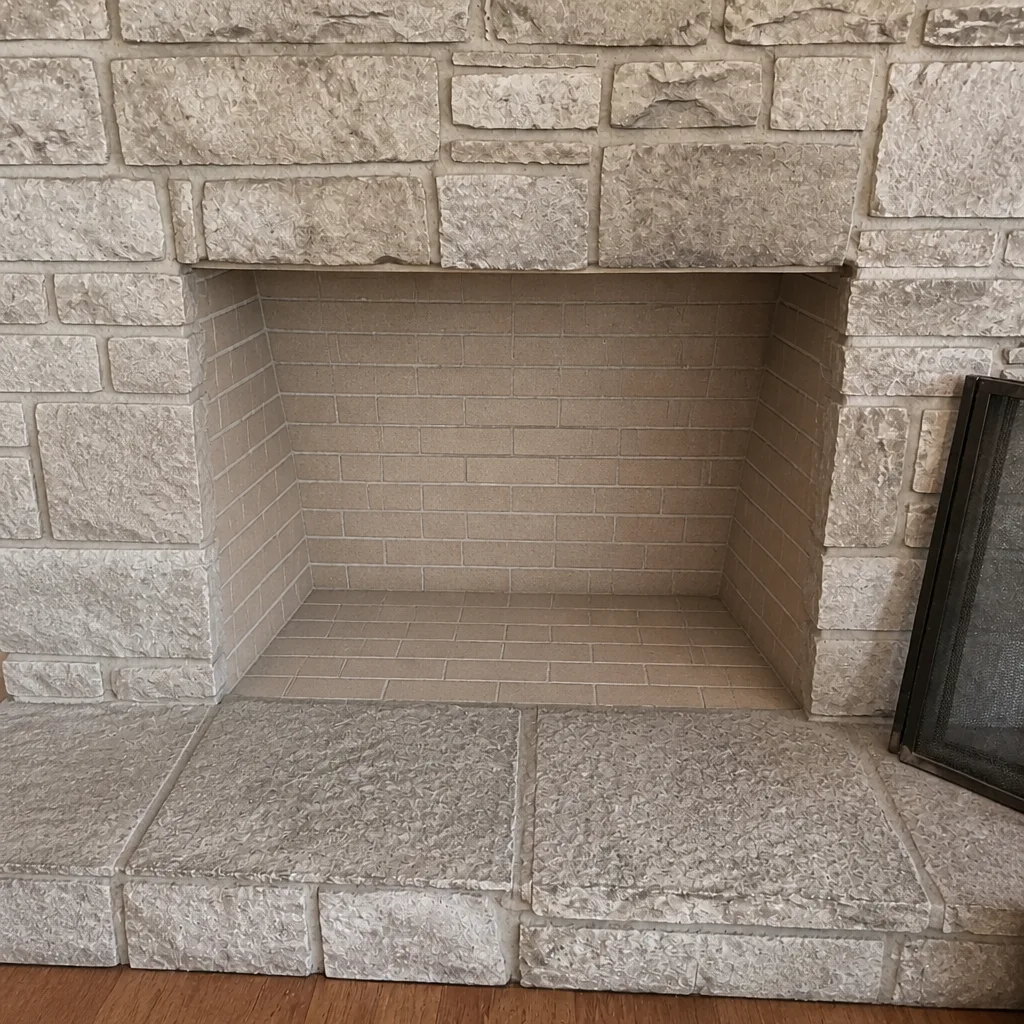
See the difference
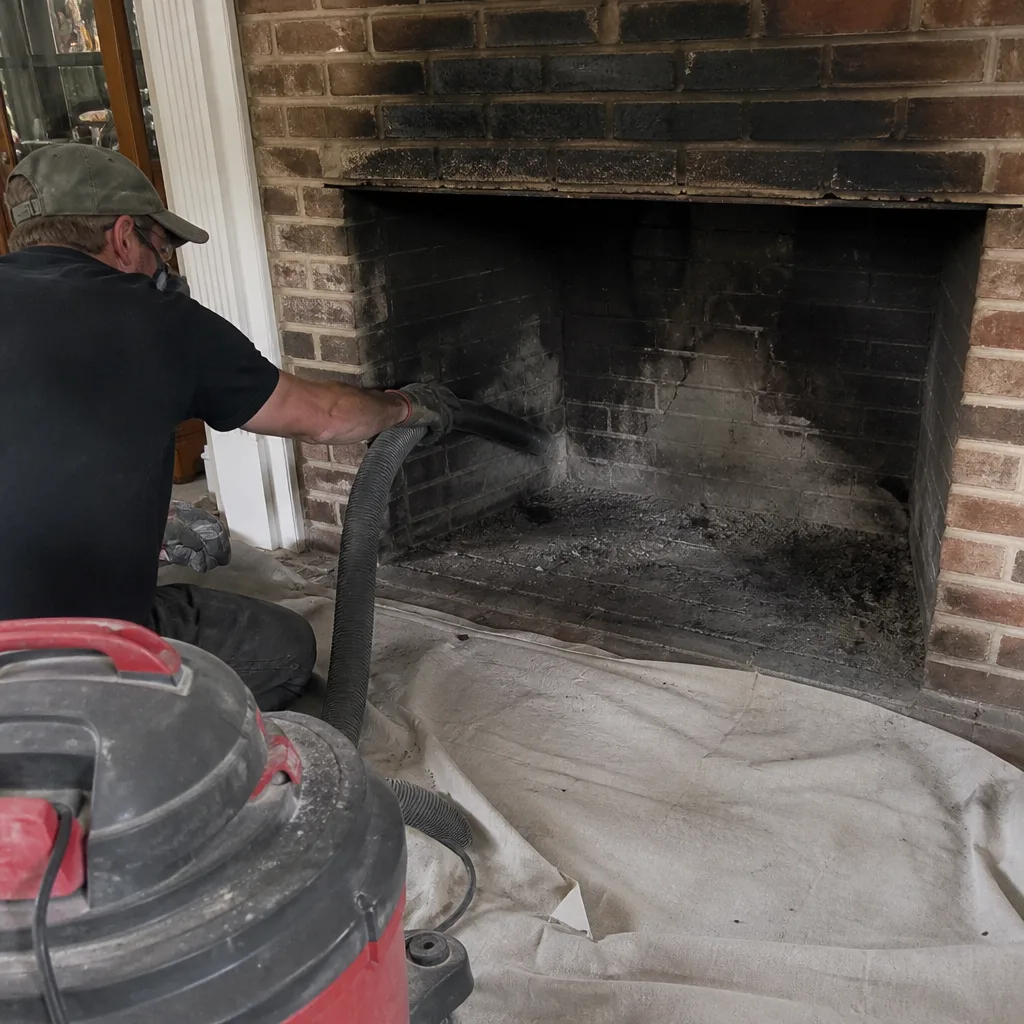 Before
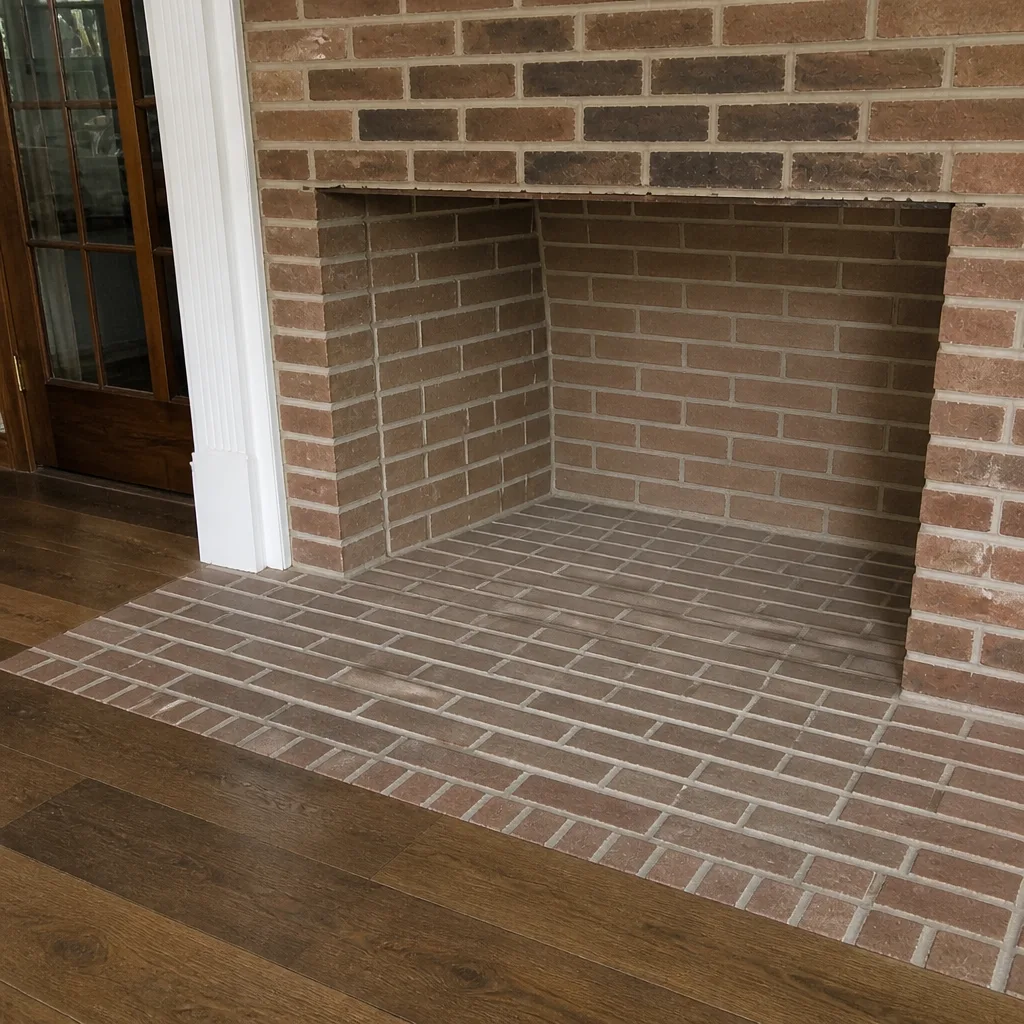 After
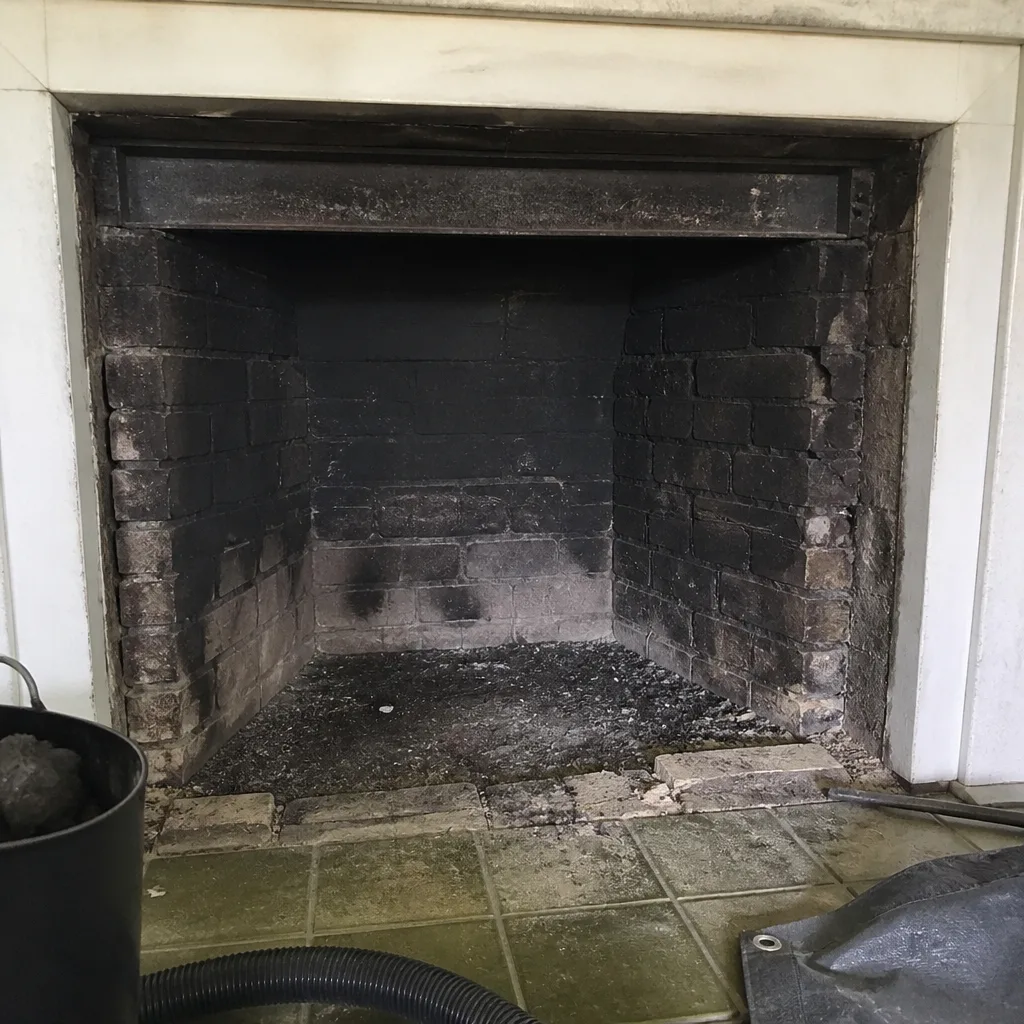 Before
 After
 Before
 After
When to Call a Professional
Call a professional when the question is about the system, not just the surface. That means: any crack or gap visible inside the firebox or flue; a liner that’s been called into question during a home sale; a new appliance that needs venting through an existing chimney; water stains or rust at the fireplace; a damper that doesn’t seal; or a sweep that came back with a recommendation you don’t fully understand. Each of those is a code or structural question, and the wrong answer is expensive. A chimney-only specialist can read the code situation, explain which work needs a permit, and do the repair under one roof – inspection, sweep, and repair from the same crew, using professional-grade materials like DuraFlex and HeatShield. That continuity matters at the permit stage, because the contractor who did the inspection is the one who can speak to the inspector. Lexington Chimney Cleaning offers free estimates in Lexington – call (833) 946-8918.
Frequently Asked Questions
No. Routine chimney sweeping and inspection in Lexington, KY, are considered maintenance and don’t require a permit from the Lexington-Fayette Urban County building department. Permits come into play only when the work alters the chimney system. Call (833) 946-8918 for an exact quote – estimates are free.
Liner replacement, firebox or crown rebuilds, damper changes to a different type, and new appliance connections generally require a permit in Lexington. These jobs modify the chimney system and must meet NFPA 211 and local code. If you’re unsure which category your job falls into, ask before the work starts. Call (833) 946-8918 for an exact quote – estimates are free.
It can. A buyer’s home inspector will look at the chimney, and if the liner or firebox appears newer than the rest of the house, they’ll ask for permit records. If there’s no permit history, the sale can slow down or the seller may face a price adjustment. A permit and final inspection notice prevent that. Call (833) 946-8918 for an exact quote – estimates are free.
NFPA 211 is the national standard for chimneys, fireplaces, vents, and solid fuel appliances. Kentucky’s residential building code adopts its principles, so it applies to chimney work in Lexington whether the job is permitted or not. Compliance is what a code inspector checks and what a liner installation should be built to. Call (833) 946-8918 for an exact quote – estimates are free.
Ask three questions: is a permit required for this specific job, who is pulling it, and what’s the permit number. Get the number before work starts, confirm the contractor meets the inspector, and request the final inspection notice when the job closes. You can also check the county’s online records yourself.
A Level 2 inspection is the right choice before a home purchase. It covers the whole flue with a camera, plus accessible attic and crawl spaces, and it produces the photo documentation a buyer needs. A Level 1 visual inspection is enough for routine annual maintenance. Call (833) 946-8918 for an exact quote – estimates are free.
The Bottom Line
The permit picture in Lexington breaks cleanly in two. Sweeping and inspection are maintenance, and they don’t need a permit. Liner replacement, firebox work, crown rebuilds, and appliance connections are alterations, and they do. NFPA 211 sets the standard those altered systems must meet, and the Lexington-Fayette Urban County permit and inspection process is how it gets documented. The paper trail is what protects you at sale, and the final inspection notice is the document to keep. Get the sweep, get the photo report, and have the permit conversation before the work starts.
If your sweep turns up something that needs a second look, call Lexington Chimney Cleaning at (833) 946-8918. We answer 24/7. Fast dispatch from 7am to 7pm, Sunday through Friday. Estimates are free, and we’ll tell you plainly whether the work needs a permit and when it can safely wait.
To learn more about how we handle Lexington Chimney Cleaning for homeowners across Lexington and the surrounding area, our team is glad to walk you through the process. Our technicians have up to 12 years of experience, and we work with professional-grade chimney brands including DuraFlex, HeatShield, Gelco, Olympia Chimney, Famco, and Copperfield – the same materials used by certified chimney specialists nationwide.
Written by the team at Lexington Chimney Cleaning.