
Last updated November 16, 2026
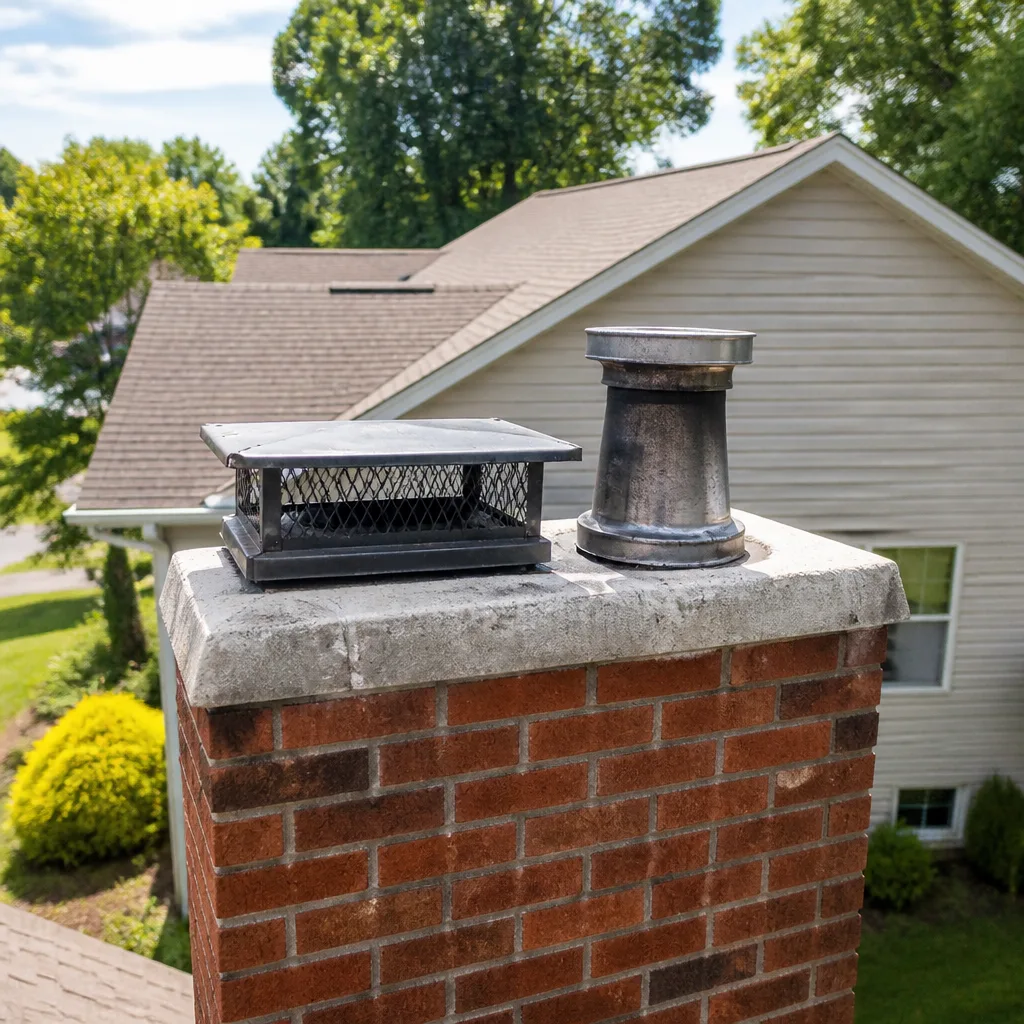 Sweep & inspection
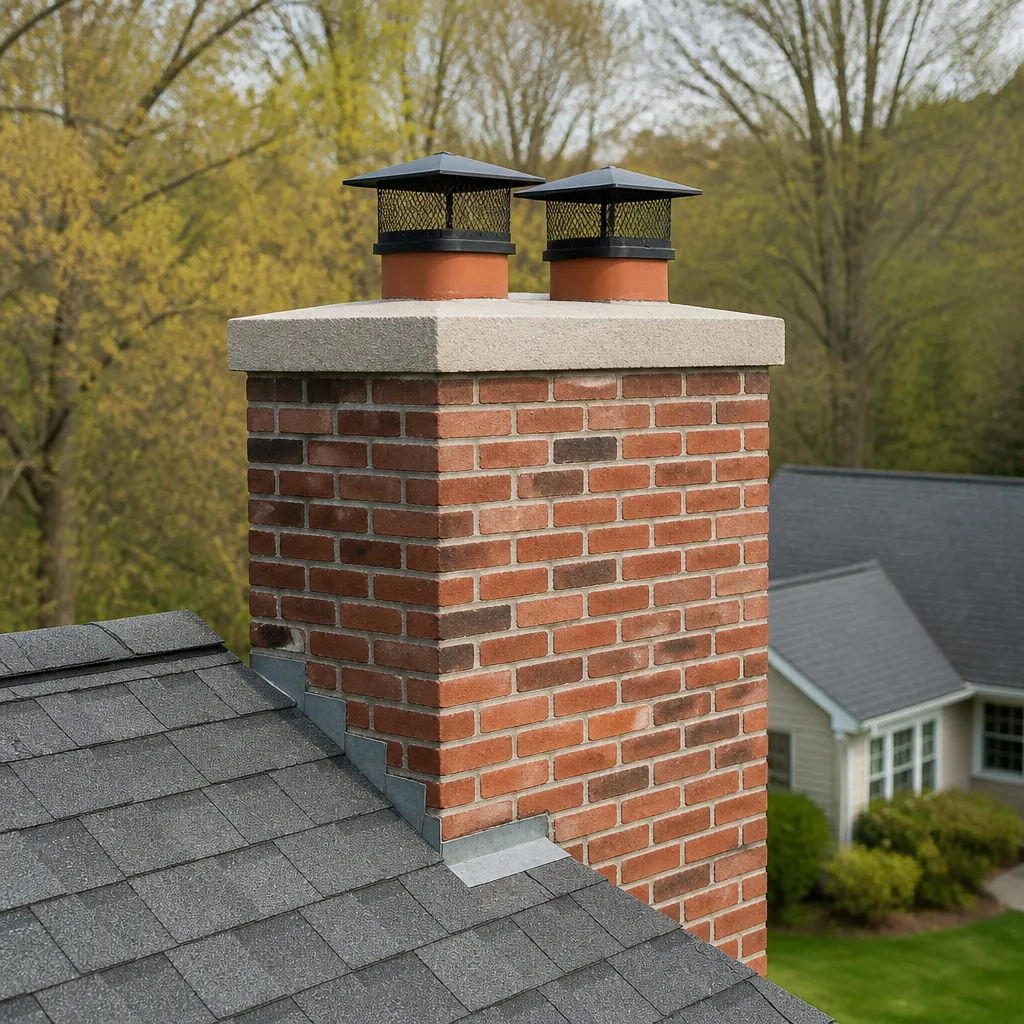 Caps & crowns
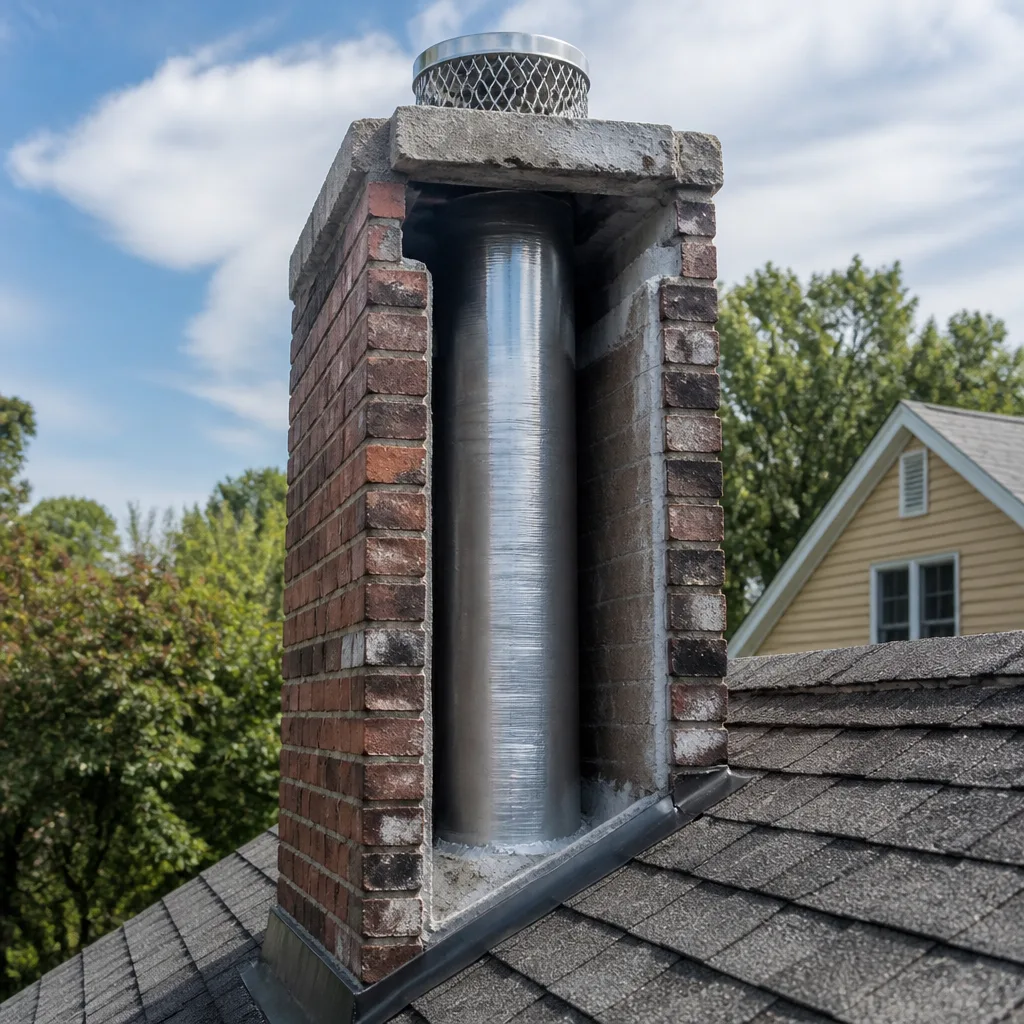 Flue relining
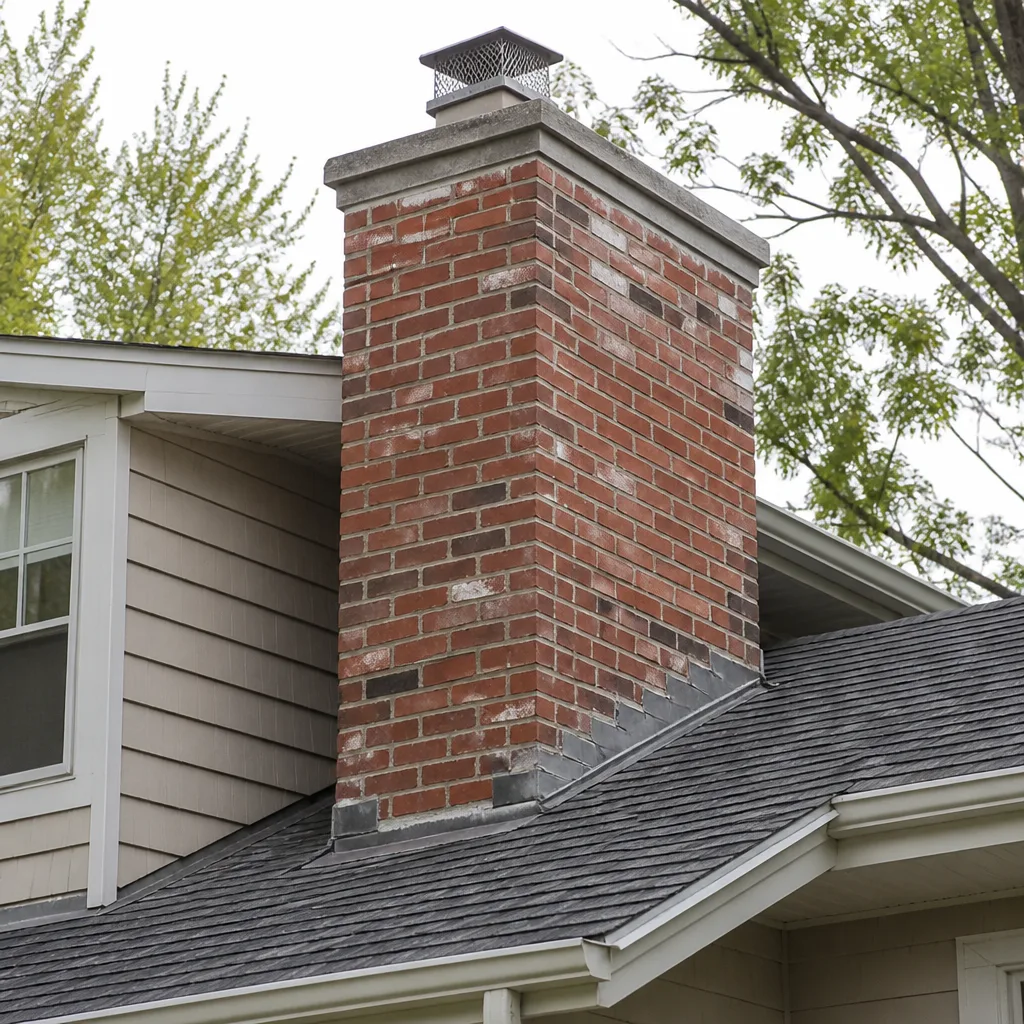 Masonry repair
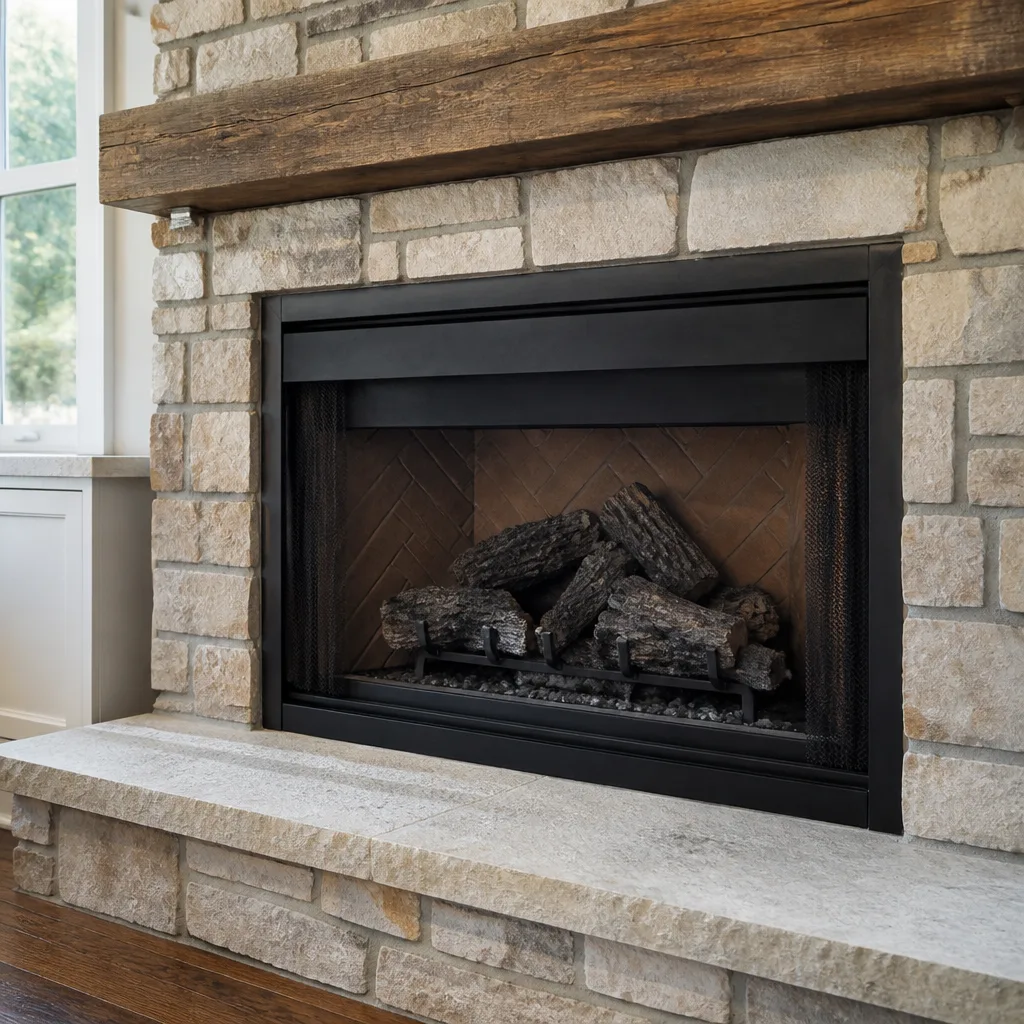 Gas fireplace service
Level 1 sweep and inspection to the NFPA 211 annual standard - flue, crown, cap, and flashing checked and photographed
Chimney sweep logs do not sweep chimneys. They loosen some creosote - which then falls where a brush and vacuum still have to collect it.
Seasonal Chimney Cleaning Care for Lexington: Year-Round Homeowner’s Guide
The chimney problem that ruins your Christmas fire usually starts in April. Most homeowners treat chimney care as one appointment in late fall, and that single sweep leaves months of quiet damage unaddressed. In Lexington, the four seasons act on masonry, mortar, and flue liners in four distinctly different ways, and each one leaves its own set of clues. This guide maps the full year, season by season: what to check, what to schedule, what you can safely ignore, and what deserves a call before the weather turns. You’ll finish knowing exactly when Lexington’s climate does the most harm to a chimney, and why spring matters more than December.
Quick Answer
Chimney care in Lexington works best as four seasonal checkpoints, not one annual sweep. Book a sweep in spring to clear corrosive creosote before summer humidity works on the flue, inspect masonry in dry summer weather, schedule your pre-season cleaning early in fall before the calendar fills, and watch for draft, odor, and smoke signs mid-winter while the fireplace is in active use. Each season exposes something the others can hide.
Styles & brands we work with
- Sweep & inspection
- Caps & crowns
- Flue relining
- Masonry repair
- Gas fireplace service
Table of Contents
- Why Seasonal Chimney Care Matters in Lexington’s Climate
- Spring: The Sweep That Protects Your Chimney All Summer
- Summer: The Best Window for Masonry Inspection and Repair
- Fall: Your Pre-Season Checklist and the Scheduling Window
- Winter: Reading the Signs While the Fire Is Burning
- How Kentucky Humidity Affects Chimney Components
- Wood Stoves and Gas Fireplaces: Seasonal Differences
- The Year at a Glance: What to Do When
Why Seasonal Chimney Care Matters in Lexington’s Climate
Lexington sits in a climate that swings hard in both directions. Summers run hot and humid, winters bring repeated freezes and thaws, and spring and fall are wet. That combination asks more of a chimney than a mild coastal climate or a dry desert one ever would. A chimney here doesn’t face one kind of stress; it faces a rotating series of them, and each season hands off a new problem to the next.
The core issue is that creosote, moisture, and masonry don’t wait for your fall appointment. Creosote left in the flue through a humid summer absorbs moisture and turns more acidic against the liner. Mortar joints that took on water before a winter freeze crack when that water expands, and those cracks open wider with each cycle. By the time you light the first fire in October, damage that started the previous spring may already be months old.
We’ve seen how this plays out across Lexington neighborhoods, from older homes near downtown with original brick chimneys to newer construction in the suburbs with factory-built systems. The materials differ, but the seasonal clock is the same. The homeowners who avoid expensive surprises are the ones who spread their chimney care across the calendar instead of compressing it into one visit.
The four risk windows in brief:
- Spring: Creosote sits in the flue while humidity rises. Corrosion risk climbs.
- Summer: Dry weather exposes freeze-thaw damage from the past winter and gives repair work its best conditions.
- Fall: Demand for sweeps spikes and good appointments go early. This is when a missed sweep becomes an active hazard.
- Winter: The chimney is under load. Draft problems, odors, and smoke rollout are signals worth reading immediately.
Treating this as a year-round rhythm is the whole idea behind how we approach Lexington Chimney Cleaning. Chimneys are the only thing we work on, so the seasonal patterns aren’t abstract to us; they’re the work itself.
Spring: The Sweep That Protects Your Chimney All Summer
Spring is the most underrated season for chimney care, and it’s where we’d point any Lexington homeowner who wants to prevent problems rather than react to them. The reasoning is simple: whatever creosote built up over the winter stays in the flue unless it’s removed. Through a Kentucky summer, that residue sits in warm, humid air for months, and that’s when it does the most quiet harm to a liner.
Creosote is acidic by nature. When it pulls moisture from humid summer air, it becomes more aggressive against metal liners and mortar. A flue that gets swept in spring enters summer clean, with nothing for that humidity to activate. A flue that waits until fall has spent an entire season marinating. If you want one change to your routine that pays off most, it’s moving your annual sweep from fall to spring or adding a spring sweep if you already clean in fall.
Spring is also the natural time to look at what winter left behind. The heating season is the stress test. Once it ends, you have a clean read on the flue’s condition before another cycle begins.
Your spring chimney checklist:
- Book a sweep to clear winter creosote before humidity sets in.
- Ask for a visual inspection of the flue, firebox, damper, and cap during the same visit.
- Check the chimney cap and its seal, since a failed cap gasket lets water straight into the flue.
- Look at the exterior for loose mortar, spalling brick, or a crown that’s cracked.
- Note any staining on interior walls or ceiling near the chimney, which can point to a leak.
A sweep isn’t just a cleaning. A good chimney sweep includes a look at the whole system, and in spring that inspection gives you the fullest picture of the year. Problems caught now have the whole summer to be repaired in good weather.
Summer: The Best Window for Masonry Inspection and Repair
Summer is when chimney repair work actually makes sense, and most homeowners never think about it. Dry, stable weather is the ideal condition for assessing masonry and for doing the repairs that follow. Mortar sets and cures predictably in warm dry air. A mason can see the true condition of a joint without rain or frost in the way. And any repair done now is settled and tested long before you need the fireplace again.
The specific value of summer is freeze-thaw damage. Through winter, water seeps into small cracks and pores in brick and mortar, freezes, expands, and pushes those cracks wider. By spring, the damage is set. Summer is when you can see it clearly, before the next winter repeats the cycle. A crack that gets sealed in July doesn’t get a chance to grow through the following January.
The brickwork on the outside of a Lexington chimney sees this cycle every year. So does the crown, the concrete cap at the top that sheds water away from the flue. A cracked crown is one of the most common sources of slow water damage we come across, and summer is when it’s easiest to fix.
What summer inspection focuses on:
- Cracked or crumbling mortar joints between bricks
- Spalling brick, where the face of the brick flakes or pops off
- A cracked or deteriorated chimney crown
- Failed flashing where the chimney meets the roof
- Liner condition, especially if a sweep found concerns in spring
If spring’s inspection turns up a liner issue, summer is when repair happens. We use HeatShield for liner resurfacing, a system applied by trained technicians rather than a general contractor. When a full reline is needed, we install DuraFlex liner systems, professional-grade components built for the job. The point is that a sweep-to-repair handoff on one call means nothing sits half-diagnosed for a season. You can read more about how that works on our chimney repair page.
Fall: Your Pre-Season Checklist and the Scheduling Window
Here’s the part of fall that catches people out: the window to book a pre-season sweep is earlier than most Lexington homeowners expect. Once the first cool evenings arrive, demand for chimney appointments climbs fast, and the good slots go to the people who booked in late summer or early fall. Waiting until the week you want to light a fire usually means waiting weeks for a slot, or skipping the sweep entirely.
We’re not saying that to rush you. The practical answer is to schedule your fall sweep well before you plan to use the fireplace, so the inspection and any repair have time to happen before the first cold snap. If a sweep finds a problem in late October, you may be making repair decisions under pressure. If it finds the same problem in September, you have a comfortable margin.
Fall is also when a homeowner should run a self-check before the season starts. You can’t inspect a flue safely without the right tools and access, but you can spot the obvious signs and get an appointment on the calendar.
Fall pre-season checklist:
- Schedule your sweep and inspection early, before the calendar fills.
- Test the damper to confirm it opens, closes, and seals properly.
- Check the firebox for loose brick, cracked mortar, or debris.
- Look up at the cap and spark arrestor from outside for blockages or damage.
- Confirm your smoke and carbon monoxide detectors work.
- Stock dry, seasoned firewood and keep it stored away from the chimney exterior.
That last item matters more in Kentucky than many people realize. Stacked wood against the chimney holds moisture right where you don’t want it and invites pests into the masonry. A little separation between the woodpile and the chimney solves both.
Winter: Reading the Signs While the Fire Is Burning
Winter is when the chimney is under real load, and it’s also when the warning signs show up. Some are harmless and easy to fix. Others point to something that should be looked at before the next fire. Knowing the difference is what this season is about.
Draft problems. If smoke pulls weakly or the fire struggles to catch, the cause is usually a flue that’s partially blocked, a damper that isn’t fully open, or a house that’s depressurized by other exhaust fans running. A blocked flue is the one to take seriously, and it’s a reason to stop using the fireplace until it’s checked.
Odors. A smoky or creosote smell in the room, especially when the fireplace isn’t lit, often means the flue is dirty or there’s a negative pressure problem pulling air down the chimney. It’s a nuisance, but it’s also a signal worth acting on.
Smoke rollout. Smoke spilling into the room instead of going up the flue is the clearest stop sign. It can come from a blockage, a flue that’s too small for the fireplace, or a pressure issue. Don’t keep burning through it. Get it inspected.
Winter is also where safety gets serious. A dirty or damaged flue is a chimney fire risk, and a blocked or compromised flue can let carbon monoxide into the home. That’s the reason to act on the signs above rather than live with them. It’s also why a working carbon monoxide detector belongs on your fall checklist. If anything about your chimney’s behavior in winter worries you, that’s reason enough to stop and get it looked at.
When a mid-winter problem turns up, we can help. Call (833) 946-8918. We answer 24/7. Fast dispatch from 7am to 7pm, Sunday through Friday.
How Kentucky Humidity Affects Chimney Components
Lexington’s humidity is a bigger factor in chimney wear than most homeowners give it credit for, and it works differently than a dry climate would. In a dry region, the main enemies are sun and temperature swings. Here, the main enemy is water, and it has more ways in than just rain. Humid summer air is enough on its own to feed moisture into masonry and activate creosote residue.
The components most affected are the ones that seal water out and the ones that live inside the flue.
Cap seals. The chimney cap sits at the top, and its job is to keep water and animals out while letting smoke escape. The seal where the cap meets the flue is vulnerable. A hardened or cracked seal gasket lets humid air and rain straight into the flue, and once water is inside, it stays and works on the liner. Copperfield caps and similar professional components are chosen partly for how well their seals hold up in humid climates. Checking that seal once a year is worth the effort.
Masonry joints. Mortar is porous. In humid weather it takes on moisture from the air, and in wet weather it takes on water directly. When a freeze follows, that moisture expands and the joint cracks. Through a Lexington year, mortar joints go through this repeatedly. Repointing small cracks early is far cheaper than rebuilding a chimney that’s been allowed to weather joint by joint.
Flue liners. A metal liner in a humid climate faces moisture from two directions: from creosote residue inside and from humid air and leaks outside. Keeping the flue clean and the cap sealed removes both sources. That’s the whole argument for a spring sweep in a humid place like Lexington.
In a dry climate, a homeowner might get away with skipping a season. Here, the humidity keeps working whether you’re using the fireplace or not. That’s why we treat seasonal care as a full-year rhythm rather than a fall habit.
Wood Stoves and Gas Fireplaces: Seasonal Differences
Not every chimney in Lexington serves a wood-burning fireplace, and the seasonal rhythm shifts depending on what you’re burning. A wood stove and a gas fireplace each put different demands on the flue and each show their problems differently.
Wood stoves. A wood stove runs hotter and more efficiently than an open fireplace, which actually reduces creosote buildup per cord of wood. But stoves are more sensitive to draft and to fuel quality. Wet or green wood in a stove produces more creosote and more risk. For stove owners, spring and fall sweeps stay important, and the mid-winter signs to watch are draft problems and any change in how the stove behaves. A stove that suddenly draws weakly is telling you something.
Gas fireplaces. Gas fireplaces don’t produce creosote, so the seasonal emphasis shifts from sweeping to inspection. The concerns are venting, the condition of the flue or vent system, and how the unit’s components hold up through humidity and temperature swings. An annual inspection stays worthwhile, and spring and summer are good windows to have it done. Even a gas fireplace can have venting issues that affect indoor air quality, so the annual look matters.
In both cases, the underlying logic is the same: know what your system burns, and match your seasonal care to it. A wood stove and a gas fireplace need different things checked at different times. Treating them the same is where mistakes happen.
The Year at a Glance: What to Do When
If you want a single reference for the whole year, this is it. Pin it up, set reminders, and the seasonal rhythm takes care of itself.
- March to May (Spring): Sweep to clear winter creosote before humidity sets in. Inspect the flue and cap. Look for exterior mortar and crown damage. Spring is the highest-value sweep of the year in a humid climate.
- June to August (Summer): Inspect masonry in dry weather. Repair cracked mortar, spalling brick, and crown damage. Handle liner resurfacing or relining now while weather is favorable. Keep wood stored away from the chimney.
- September to November (Fall): Schedule your pre-season sweep early, before the calendar fills. Test the damper, check the firebox, confirm detectors. Book any repair the sweep uncovers with time to spare.
- December to February (Winter): Watch for draft problems, odors, and smoke rollout during active use. Stop burning if a warning sign appears and get it inspected. Keep the carbon monoxide detector working.
Everything on this calendar comes back to one idea: a chimney that’s cared for across the seasons stays safe and works better than one cleaned once and forgotten. In Lexington, where the climate gives a chimney a different challenge every few months, that’s the difference between a fireplace you enjoy and one that surprises you.
If you’re not sure where to start, the simplest move is a spring sweep and inspection. That one appointment sets the tone for the whole year and gives you a clear picture of anything that needs attention in the summer. From there, the seasonal routine takes care of itself.
Common Mistakes to Avoid
- Waiting until fall to sweep. Fall is when everyone else schedules too, and creosote has spent the whole summer working on the flue by then. Spring sweeping prevents that seasonal damage.
- Skipping the summer masonry inspection. Freeze-thaw damage is easiest to see and fix in dry summer weather, and easy to ignore when the fireplace isn’t in use. Summertime is when Lexington chimneys get repaired properly.
- Stacking firewood against the chimney. It holds moisture against the masonry in humid Kentucky weather and invites pests. Keep the woodpile a few feet away from the chimney.
- Assuming a gas fireplace needs no care. There’s no creosote with gas, but venting and the flue system still need an annual inspection. The seasonal window is just different.
- Treating winter smoke rollout as a small nuisance. Smoke coming into the room is a stop sign, not a quirk. It can point to a blockage or pressure problem that deserves inspection.
- Booking a repair with whoever is available fastest. Chimney work needs chimney-specific products and skill. A general contractor working on a flue is the wrong tool for the job.
- Ignoring a cracked crown or a loose cap seal. These are two of the most common ways water gets into a chimney, and they’re both cheap to fix early and expensive to fix late.
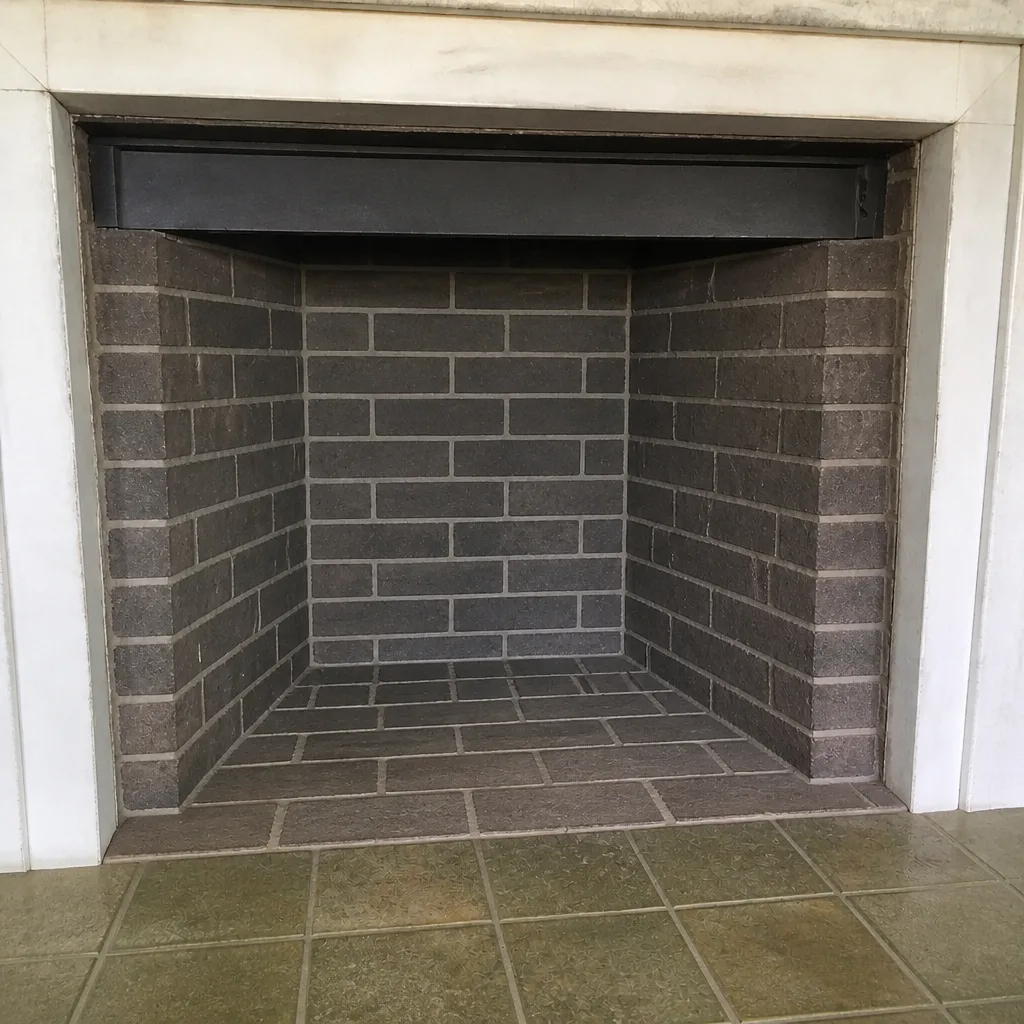
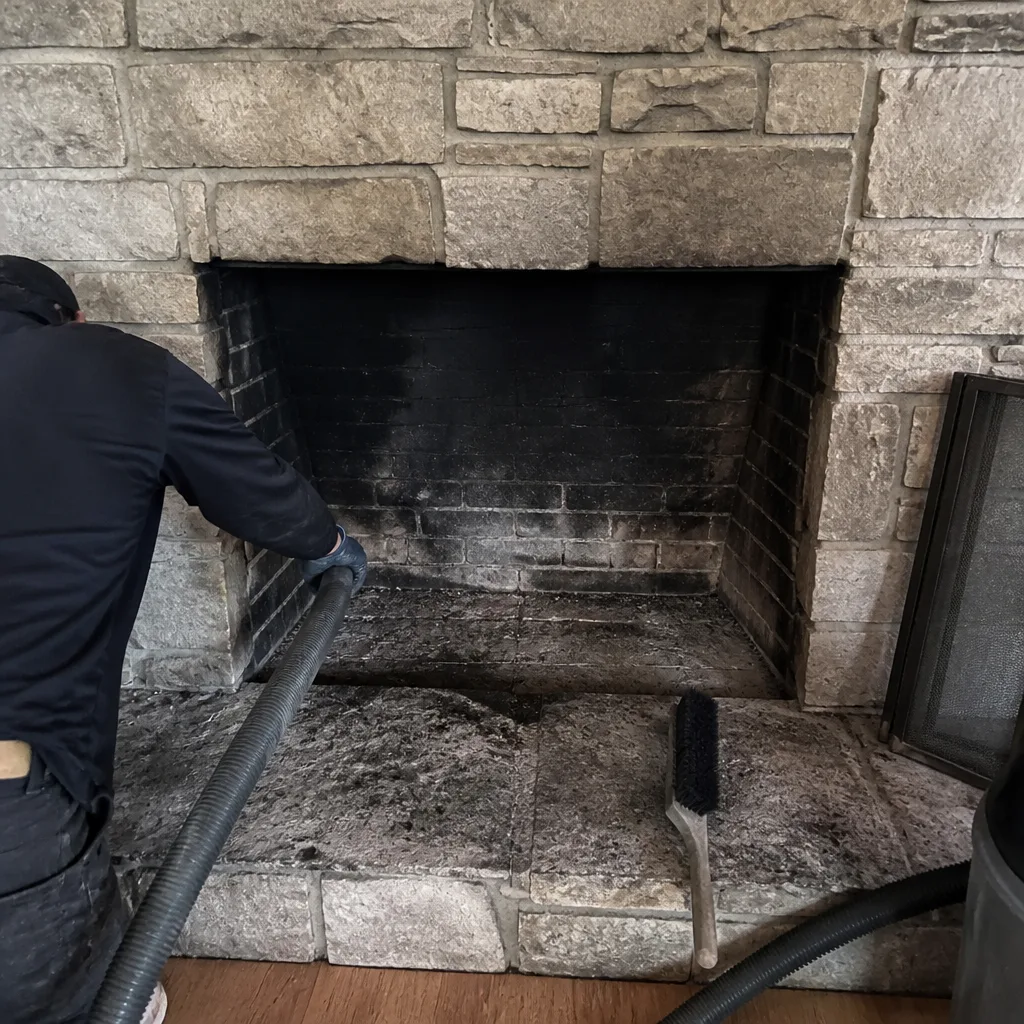
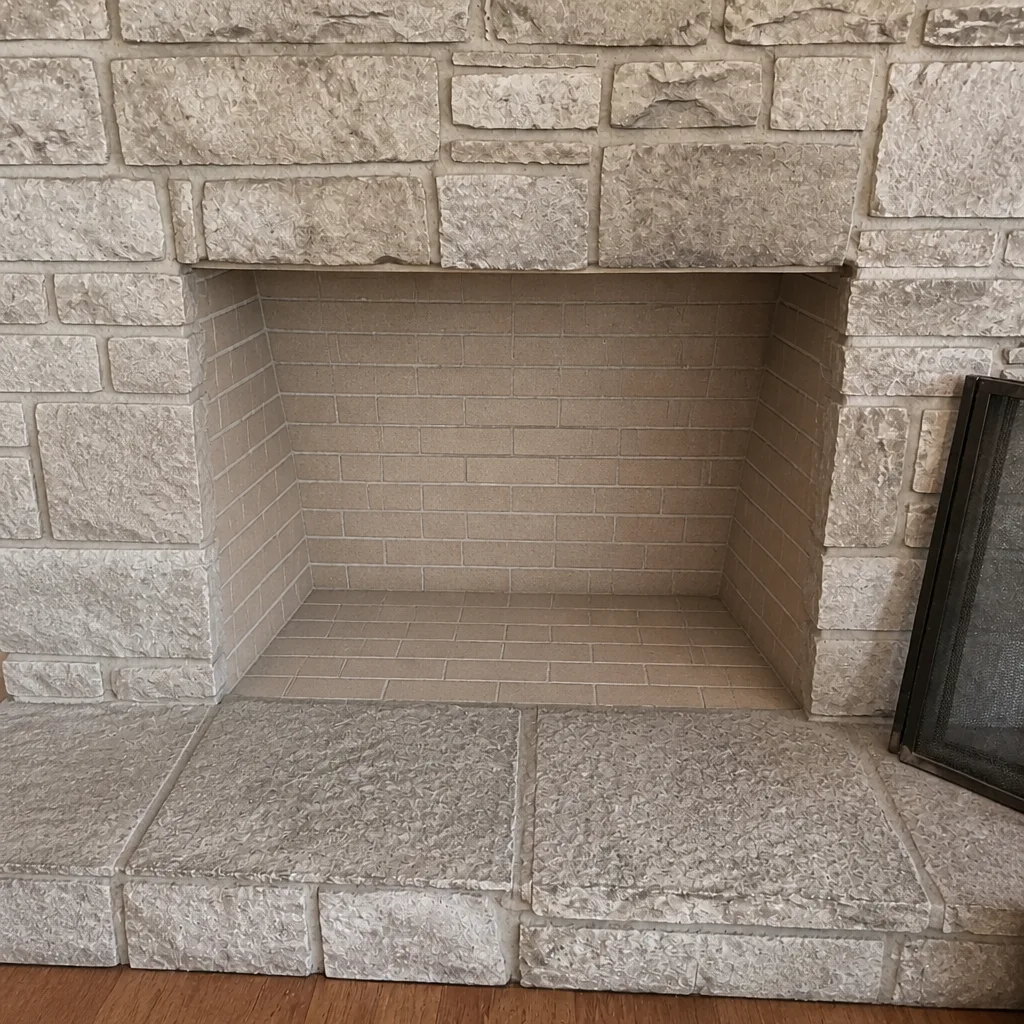
See the difference
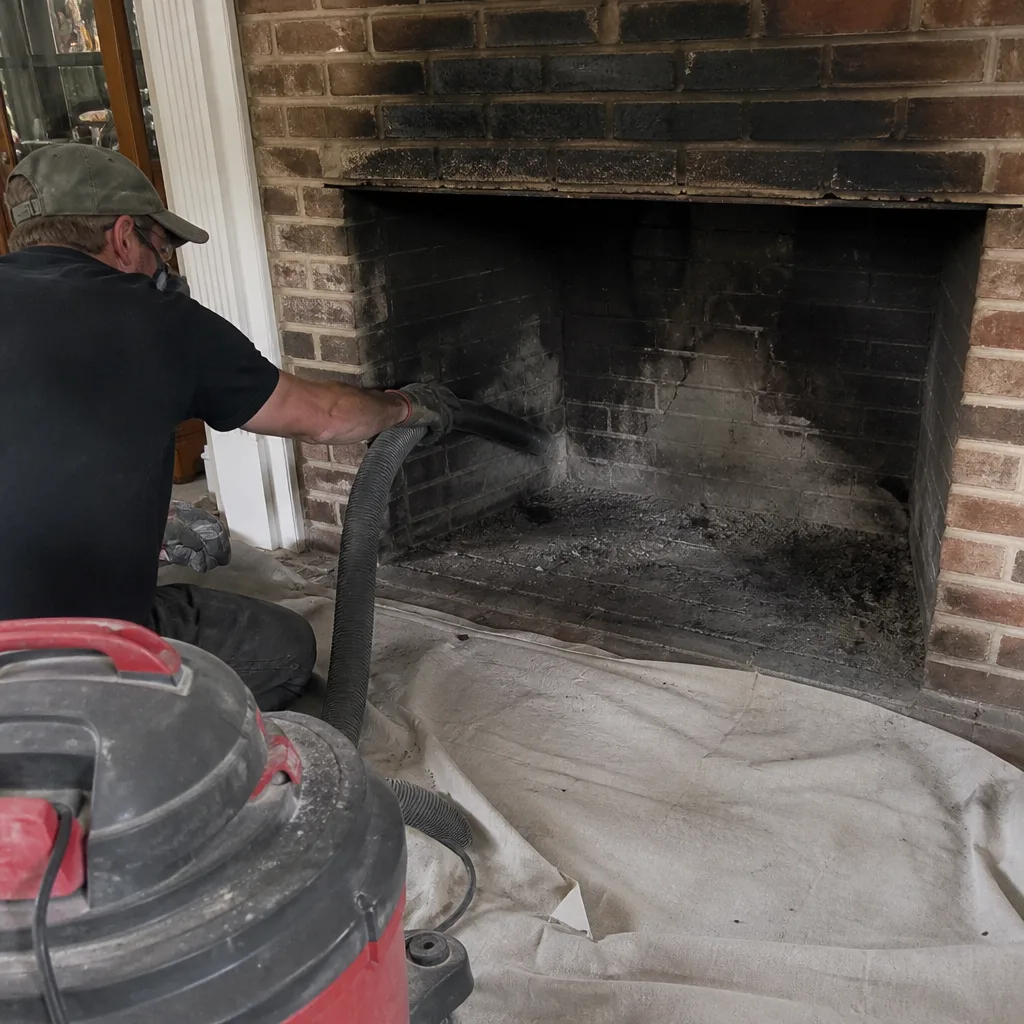 Before
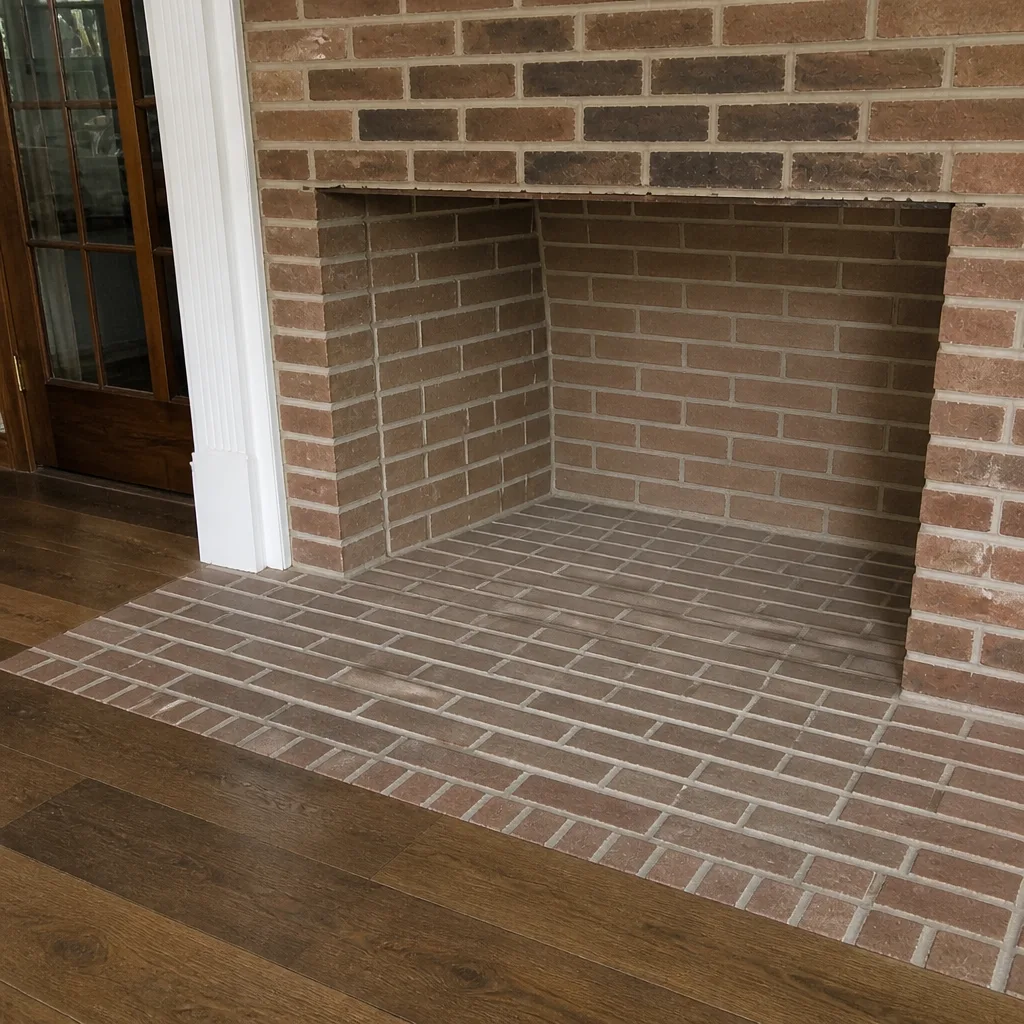 After
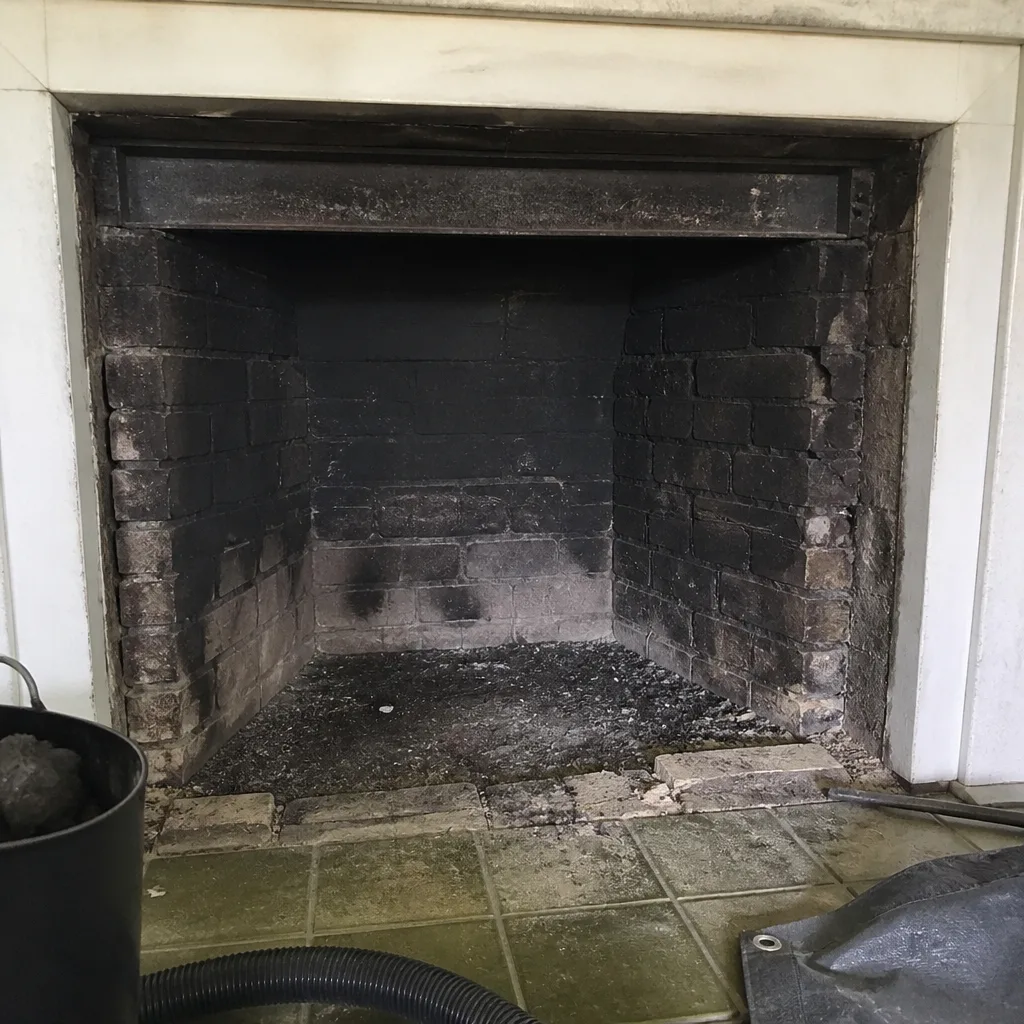 Before
 After
 Before
 After
When to Call a Professional
Some seasonal tasks are homeowner checks. Others need a chimney specialist. Call a professional if you see smoke rolling into the room, if the fire draws poorly and you can’t find a simple cause, if you smell a strong smoky odor when the fireplace is off, or if you notice loose mortar, spalling brick, or a damaged crown from outside. A flue that hasn’t been swept in over a year, and any chimney that’s changed behavior mid-season, also deserve a look. If you’re unsure, the inspection itself is the answer. Lexington Chimney Cleaning offers free estimates in Lexington. Call (833) 946-8918. We answer 24/7. Fast dispatch from 7am to 7pm, Sunday through Friday.
Frequently Asked Questions
Once a year for most homes that use a wood-burning fireplace regularly, which matches what chimney professionals recommend nationwide. In Kentucky’s humid climate, a spring sweep works better than a fall one because it removes creosote before summer humidity can activate it against the liner. Homes that burn a lot of wood may need a mid-season check as well.
Spring is the best season for the sweep itself, and summer is the best season for any repair work. A spring sweep clears the flue before humid weather, and summer’s dry weather gives masonry and liner repairs the conditions to cure properly. Fall scheduling is still fine, but book early before the calendar fills.
Humidity feeds moisture into the two places a chimney is most vulnerable: the flue liner and the masonry mortar. Creosote residue left in a humid flue becomes more corrosive, and mortar joints that take on moisture crack when temperatures drop. In a dry climate this matters less; in a Kentucky summer, it’s the main driver of slow damage.
Smoke rolling into the room is usually caused by a blockage in the flue, a flue that’s too small for the fireplace, or negative pressure pulling air down the chimney. It’s a sign to stop using the fireplace until it’s checked. Smoke and carbon monoxide both follow a blocked flue, so it’s worth a professional look.
Yes, though the emphasis is on inspection rather than sweeping. A gas fireplace doesn’t produce creosote, but its venting and flue system still need an annual check, and an annual inspection covers how the unit holds up through humidity and temperature swings. Spring and summer are good windows to have it done.
It’s usually better not to skip a year, because damage often develops quietly between sweeps. A flue that seems fine from the room can have a cracked mortar joint or a failing liner that only an inspection reveals. An annual spring sweep and inspection is the reliable way to catch problems while they’re small.
The Bottom Line
Chimney care in Lexington works as a year-round rhythm, not a single fall appointment. Sweep in spring before humidity gets to the creosote, inspect and repair masonry in dry summer weather, book your pre-season cleaning early in fall, and read the warning signs in winter while the fire is burning. Each season exposes something the others hide. Homes here face a rotating set of challenges that reward the homeowner who spreads care across the calendar. If you remember one thing, make it the spring sweep; it’s the highest-value move in a humid climate. When something looks or smells wrong, get it inspected before the next fire.
Written by the team at Lexington Chimney Cleaning.