
Last updated November 16, 2026
 Sweep & inspection
 Caps & crowns
 Flue relining
 Masonry repair
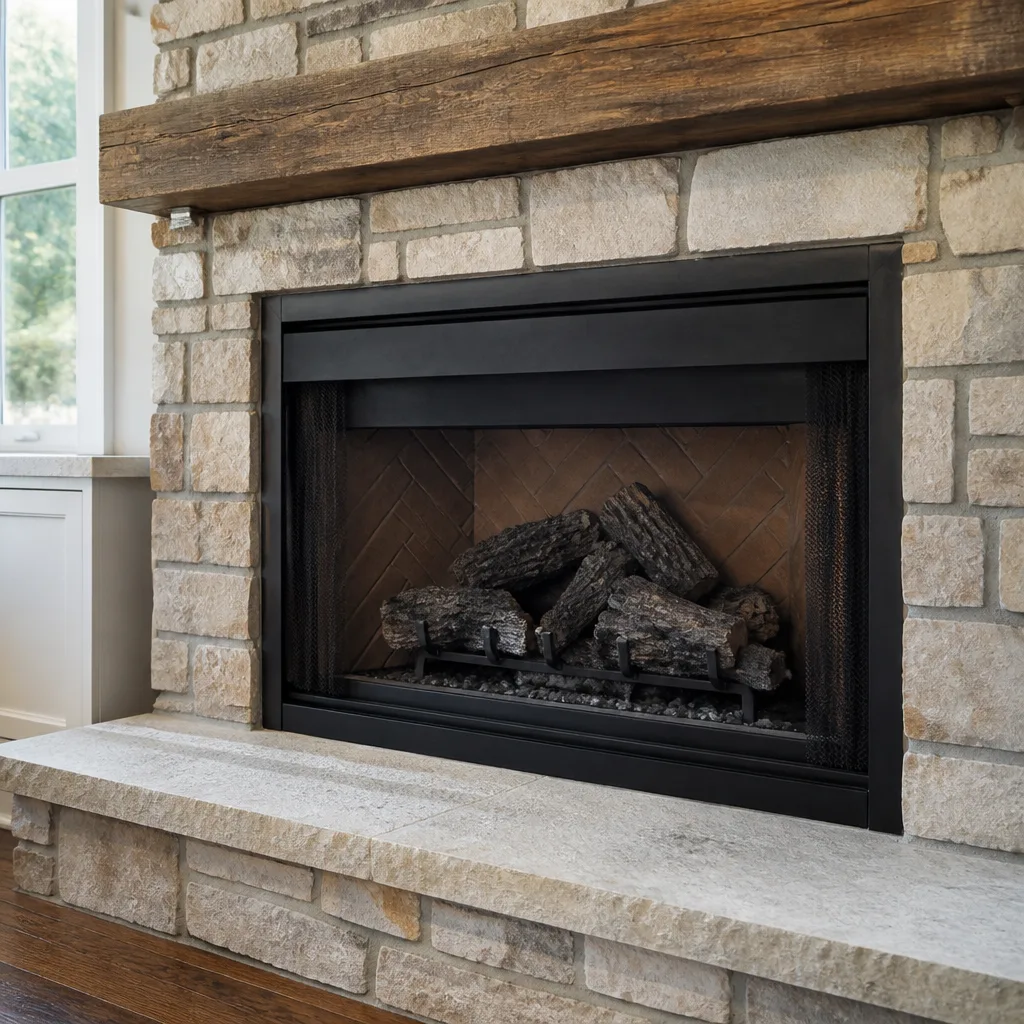 Gas fireplace service
Level 1 sweep and inspection to the NFPA 211 annual standard - flue, crown, cap, and flashing checked and photographed
Chimney sweep logs do not sweep chimneys. They loosen some creosote - which then falls where a brush and vacuum still have to collect it.
Chimney Cleaning Emergency Preparedness Guide for Lexington Homes
A chimney fire can burn at over 2,000°F inside your flue while the fire in your firebox looks completely normal. That’s the part that catches Lexington homeowners off guard. You’re sitting in the living room, the fire is crackling along the way it always does, and somewhere above the damper the flue has become a furnace. Most people picture a chimney fire as flames shooting out the top of the house. That does happen, but it’s not the common picture.
What most chimney fires look and sound like is far quieter, and far easier to miss. This guide covers what to watch for, exactly what to do in the first 60 seconds, how carbon monoxide finds its way into a Lexington home through a failing flue, and the prevention steps that matter most before the next burning season starts.
Quick Answer
A chimney fire is an emergency the moment you suspect one: call 911, get everyone out of the house, and don’t try to fight it. After any suspected chimney fire, the chimney needs a professional inspection before the fireplace is used again. And the most effective prevention is a professional sweep that keeps creosote under control and confirms the liner and cap are intact.
Styles & brands we work with
- Sweep & inspection
- Caps & crowns
- Flue relining
- Masonry repair
- Gas fireplace service
Table of Contents
- How to recognize an active chimney fire
- What to do in the first 60 seconds
- Why a post-fire inspection is mandatory
- Carbon monoxide risk inside a Lexington flue system
- Preventive maintenance that actually reduces risk
- Lexington’s burning season and the sweep timing that works
- Building a chimney emergency kit and contact list
- Common mistakes to avoid
How to Recognize an Active Chimney Fire
Chimney fires don’t announce themselves by lighting up the roof. Our technicians have walked into Lexington homes after a creosote fire and found the firebox looking entirely ordinary. The evidence was all in the flue. The telltale signs are sensory, not visual from the living room, so it helps to know what each of them feels like before you ever need to recognize one.
Here’s what an active chimney fire can look and sound like from inside the house:
- A roaring, rumbling or crackling sound that’s louder and more sustained than normal fire noise. Many homeowners describe it as sounding like a freight train or a low sustained wind coming from the flue. Normal firebox noise is a light popping and shifting.
- Dense or unusual smoke drifting back into the room, or dark, thick smoke pouring from the chimney top. Some fires produce very little visible smoke outside; the inside signs carry the weight.
- A strong, hot smell that’s stronger than wood smoke. Some describe it as a metallic or acrid smell drifting through the house.
- Intense heat radiating from the chimney, the flue pipe or the wall around the chimney structure.
- Flames or sparks visible at the top of the chimney, or a sudden shower of black creosote flakes on the roof or in the yard.
Another common signature is one you’ll notice after the fact rather than during: puffy, honeycombed creosote inside the firebox or flue. That’s a sign the creosote briefly ignited and cooled. A slow-burning chimney fire can do this and die out on its own. It can also smolder into serious damage before anyone realizes it happened. If you find that pattern after a fire, treat it as a “call for inspection” event even if you never saw flames.
What to Do in the First 60 Seconds
The first minute of a suspected chimney fire is the one that matters most, and it’s also when people make the wrong move. The right sequence is simple enough to memorize:
- Get everyone outside first. Call 911 from outside the house, not from the living room. Smoke and hot gases are the reason, and you can’t judge how well the flue is containing them from three feet away.
- Close the firebox doors or the glass screen on your way out if you can do it safely and without delay. This limits how much oxygen the fire in the firebox can draw in.
- Close the damper only if the firebox is closed and everyone is already moving out. For a wood-burning insert or a glass-fronted fireplace, the damper is reachable through the closed combustion system and shutting it can slow the draft that feeds the flue. For an open masonry fireplace with no closure, don’t reach into the firebox to close the damper on your way out.
- Never put water into the firebox or flue. Water on a chimney fire inside a masonry or metal flue can warp liner components and can crack hot masonry or prefabricated chimney sections.
- Don’t climb on the roof. A creosote fire is not worth a fall risk or a burn risk. Let firefighters do their job; they have the equipment and the training.
For an active fire where the flue is clearly still burning and the house is full of smoke, the decision is simple: 911 first, evacuate immediately, and call us after the fire department clears the house. A suspected fire with no flames, no smoke in the room and a single brief roaring sound is a judgement call, but the safe answer is still to evacuate and call 911 from outside.
In Lexington, one practical note: the fire department will not inspect your chimney after a fire. They’ll make sure the house is safe and then clear out. Our role is the next step – a post-fire inspection before you light another fire. Call (833) 946-8918 once the house is clear. We answer 24/7. Fast dispatch from 7am to 7pm, Sunday through Friday.
Why a Post-Fire Inspection Is Mandatory
The NFPA 211 standard, which covers chimneys and venting, calls for a Level 2 inspection after a chimney fire. Level 2 means a camera scope through the flue, plus a look inside the accessible parts of the chimney structure. The reason isn’t bureaucracy. It’s that a chimney fire can damage parts of the system you can’t see from the firebox, and the damage can be invisible until the fireplace is lit again.
Here’s what a post-fire Level 2 inspection looks for:
- Liner integrity. Clay tile liners can crack along the mortar joints. Metal liners can distort, buckle or separate at seams. A liner that’s lost its shape is no longer a safe flue.
- Creosote glazing. A hot fire can convert normal creosote deposits into a glazed, hard layer that’s harder to sweep and more prone to re-igniting.
- Gaps at the chimney joints. Masonry chimneys can develop mortar gaps or cracks that let gases escape into surrounding structure.
- Cap and crown condition. A fire can lift, shift or crack a cap or the crown at the top of the chimney.
- Damage to the firebox or damper assembly from heat warpage or cracks.
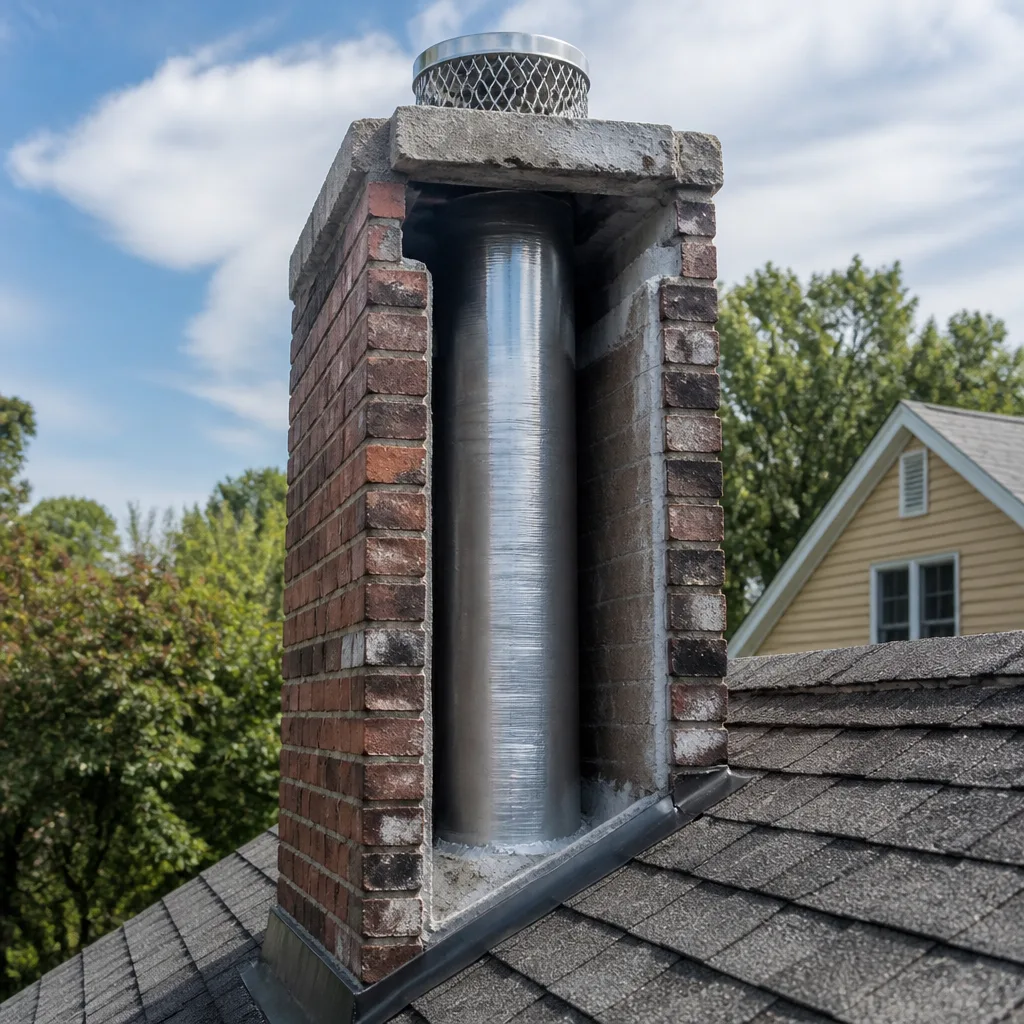
If the inspection turns up a damaged liner, that’s a repair, not a sweep. HeatShield is the liner resurfacing system our technicians use for many of these situations: it rebuilds the inside flue surface to restore a continuous, correct-diameter passage. For a liner that can’t be resurfaced, a DuraFlex stainless liner system is a professional-grade replacement option. Either way, homeowners should not relight the fireplace until the inspection and any needed repair are done. Our chimney repair team handles both.
Carbon Monoxide Risk Inside a Lexington Flue System
Most carbon monoxide conversations focus on furnaces and water heaters. Chimneys deserve the same attention, because the flue is the exhaust path for whatever you burn. When the flue works the way it should, CO leaves the house the same way smoke does. When it doesn’t, CO can find its way back inside. Three failure modes account for most chimney-related CO problems:
- Partial blockages. A bird nest, leaf accumulation, fallen cap or a heavy creosote deposit can restrict the flue enough that exhaust can’t rise quickly. The gases then push back into the home, especially in a closed-up house with negative pressure from a running kitchen exhaust fan or clothes dryer.
- Downdrafts. Lexington sits in the Bluegrass with hills around the city and wind patterns that shift with the season. A chimney that’s too short relative to the surrounding roofline, or one with a cap that’s blocked or wrongly sized, can pull air down instead of pushing gases up. That’s a straight path for CO into the living room.
- Deteriorated liners. A cracked tile liner or a rusted-out metal liner lets combustion gases escape into wall cavities, attics or the space between the chimney and the house shell. From there, CO can migrate anywhere, including bedrooms.
The CO from a wood fire and the CO from a gas fireplace both come down to the same thing: the exhaust has to go up and out, not back inside. Our experience in Lexington is that a lot of low-level CO readings and “recurring headache when the fireplace runs” complaints trace to one of the three failures above. A CO detector on every level and outside the sleeping area is the cheap piece of home safety equipment we recommend to everyone.
Preventive Maintenance That Actually Reduces Risk
No maintenance step eliminates chimney fire risk entirely. Some steps reduce it more than others, and a few work far better than the rest. These are the ones our technicians recommend based on what actually shows up on inspections.
Control creosote at the right threshold
Creosote is the tar-like byproduct of wood smoke, and it’s what fuels a chimney fire. The industry standard is to sweep when the creosote layer reaches a measurable thickness in the flue. Keeping the firebox fuel dry and hot-burning helps, but it doesn’t replace a sweep. The single most reliable prevention step is a professional sweep timed to your actual usage, not a calendar guess.
Confirm the liner condition
A liner with cracks, gaps or warpage is a CO path even when it’s clean. A chimney sweep that stops at the brush doesn’t catch this. A camera inspection does. If you’ve never had a camera scope of your flue, that first one tells you what the next several years of maintenance need to look like.
Keep the cap and screen in place
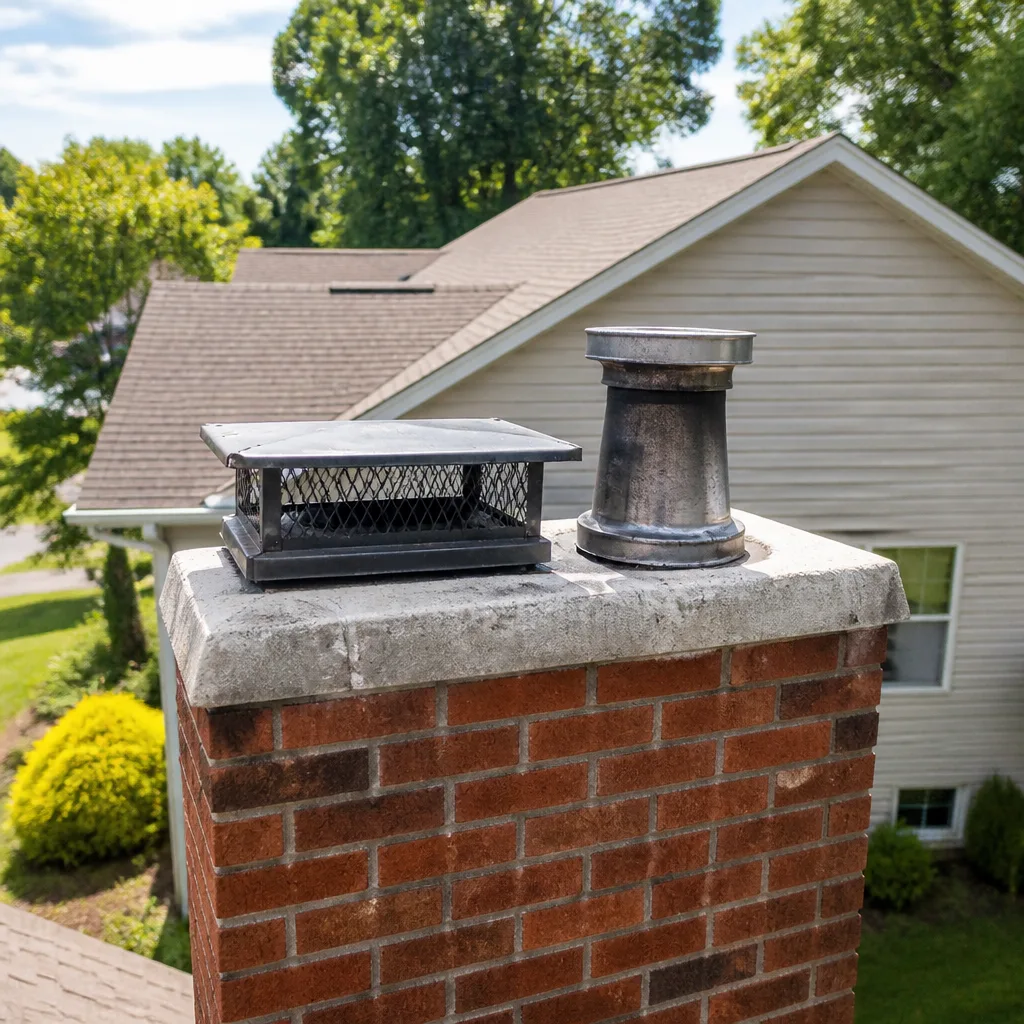
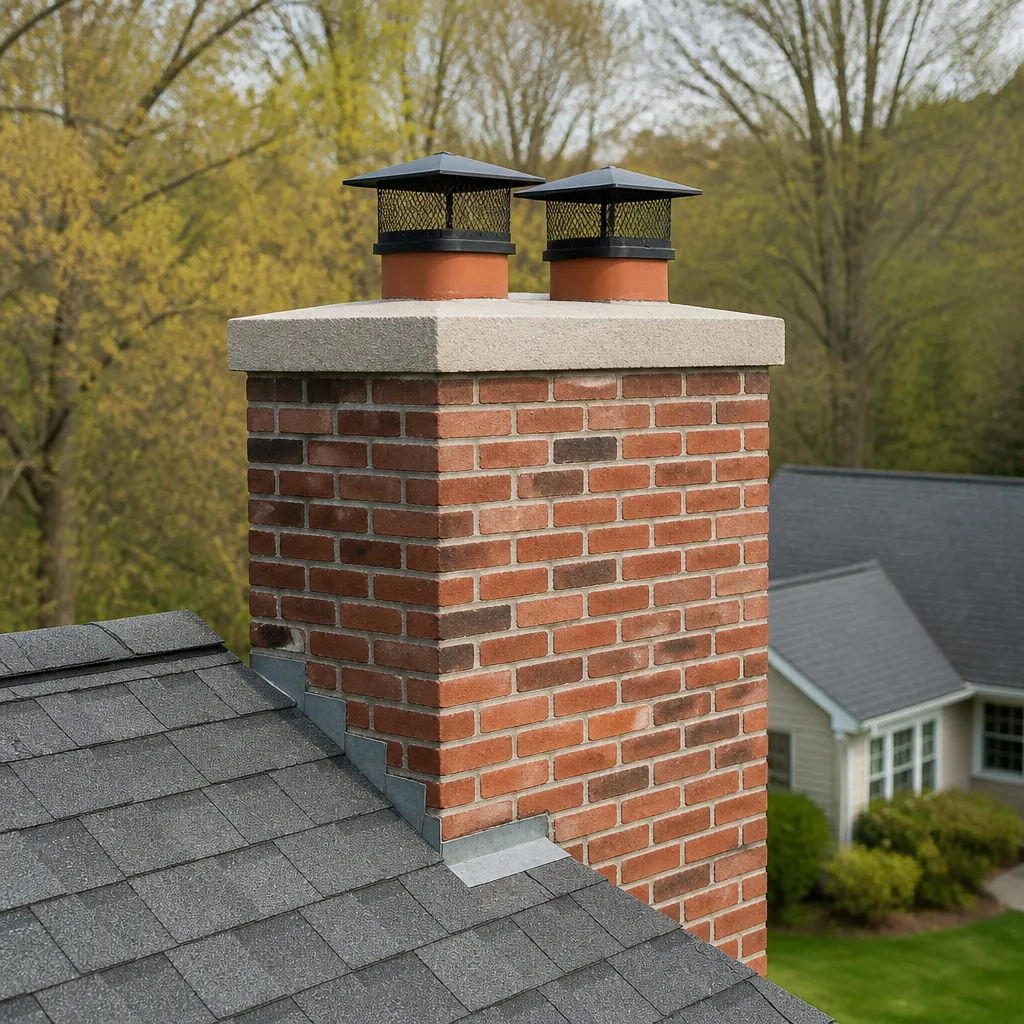
A missing or damaged cap lets rain, birds, squirrels and leaves straight into the flue. A properly fitted cap with a screen keeps them out and lets exhaust go through. Famco caps are one of the brands we work with, and a correctly sized cap is one of the simplest upgrades a chimney can get. Olympia Chimney components cover similar needs on other system types.
Schedule the sweep before the season, not during it
In Lexington, the burning season runs roughly from late fall into spring, and the weeks just before the first cold snap are when we get the most calls. Booking a sweep earlier – say late summer or early fall – gives you room to schedule any repair the sweep turns up. A clean sweep with a clean bill of health is the ideal outcome; a sweep that finds a liner problem in November is a much harder month to deal with it.
Burn seasoned wood and don’t over-fire
Wet wood produces more creosote. Cutting back the air supply to stretch a fire through the evening produces more creosote. Neither is a dramatic fix – it’s just daily habits, repeated. The payoff is a flue that stays cleaner longer between sweeps and a fire that burns the way it’s supposed to.
Lexington’s Burning Season and the Sweep Timing That Works
Our ability to give a homeowner a straight answer about how often to sweep comes down to how many fires burn in a season, and what wood goes into them. For Lexington homes with a fireplace used most evenings through the cold months, an annual sweep is the baseline. For homes with a stove burning daily all winter, more frequent sweeps are the norm. Homes with a gas fireplace need less frequent sweeping but still need inspection, because gas venting has its own issues (corrosion, blockage, drafting) that sweeping alone doesn’t catch.
The chimney sweep we recommend ahead of the season is a camera inspection with a sweep from the same visit. You get the creosote cleared and a look at the liner condition in one appointment. In our experience over the years working across Lexington neighborhoods – from the older homes around Chevy Chase and Ashland to the newer construction further out – the surprise inspections turn up is almost never creosote. It’s a liner or cap issue that nobody would have found without a camera.
The most common complaint we get from homeowners who skipped a year is that they didn’t realize how much creosote had built up until the next sweep. There’s a simple fix for that: schedule the sweep, get the photo report, and let the camera tell you what to schedule next.
Building a Chimney Emergency Kit and Contact List
The practical side of chimney emergency preparedness is a short list of things you’d want at hand if something went wrong. Nothing expensive, nothing exotic. Here’s what we suggest:
- Fire extinguishers rated for wood fires, on every level of the home. Check the gauges twice a year.
- Working smoke detectors and a CO detector on every level, tested monthly.
- A charged phone and the fire department’s non-emergency number on the same list as your 911 reminder, plus your chimney company’s number.
- A copy of your last inspection report where you can find it. Firefighters may want it, and it’s useful for a post-fire inspection.
- The chimney cap visually checked once a season from the ground. You don’t need to climb up there. A glance with binoculars will tell you if the cap is missing or shifted.
Save (833) 946-8918 in the same place you keep the fire department’s number. Our team works with the full-chimney set – Lexington Chimney Cleaning handles inspection, sweep and repair under one roof – so you don’t have to figure out which contractor handles which layer of the problem after a fire.
Common Mistakes to Avoid
- Treating a light sweep as full inspection. A brush sends creosote down the flue, but it doesn’t show you what the inside of the flue looks like. Ask for a camera inspection with your sweep and a photo report of what the camera saw.
- Relighting a fireplace after a suspected chimney fire without an inspection. The firebox can look fine while the liner above it is cracked. That’s the exact scenario that sends CO into a home on the next fire.
- Assuming a gas fireplace doesn’t need attention. Gas venting needs inspection too, and a downdraft or partial blockage on a gas system produces the same CO risks as on a wood system.
- Using a roofer or handyman for chimney work. Chimneys have their own standards, materials and venting principles. Famco caps, Olympia Chimney venting components and HeatShield liner systems are all chimney-specific, and the people installing them should be too.
- Hiring whoever answers the phone without asking about inspection scope. A “sweep” that doesn’t include a camera and a written report isn’t’ the same service. Ask what the technician will look at and what you’ll get in writing.
- Burning wet or unseasoned wood to save on fuel cost. The creosote that builds up from wet wood costs more in sweeps and repair work than the fuel savings come close to covering.
- Skipping the preventive sweep because nothing “looks wrong.” This is the most common reason our technicians find heavy creosote in a Lexington flue. Chimney fires don’t announce themselves, and neither does a liner crack.
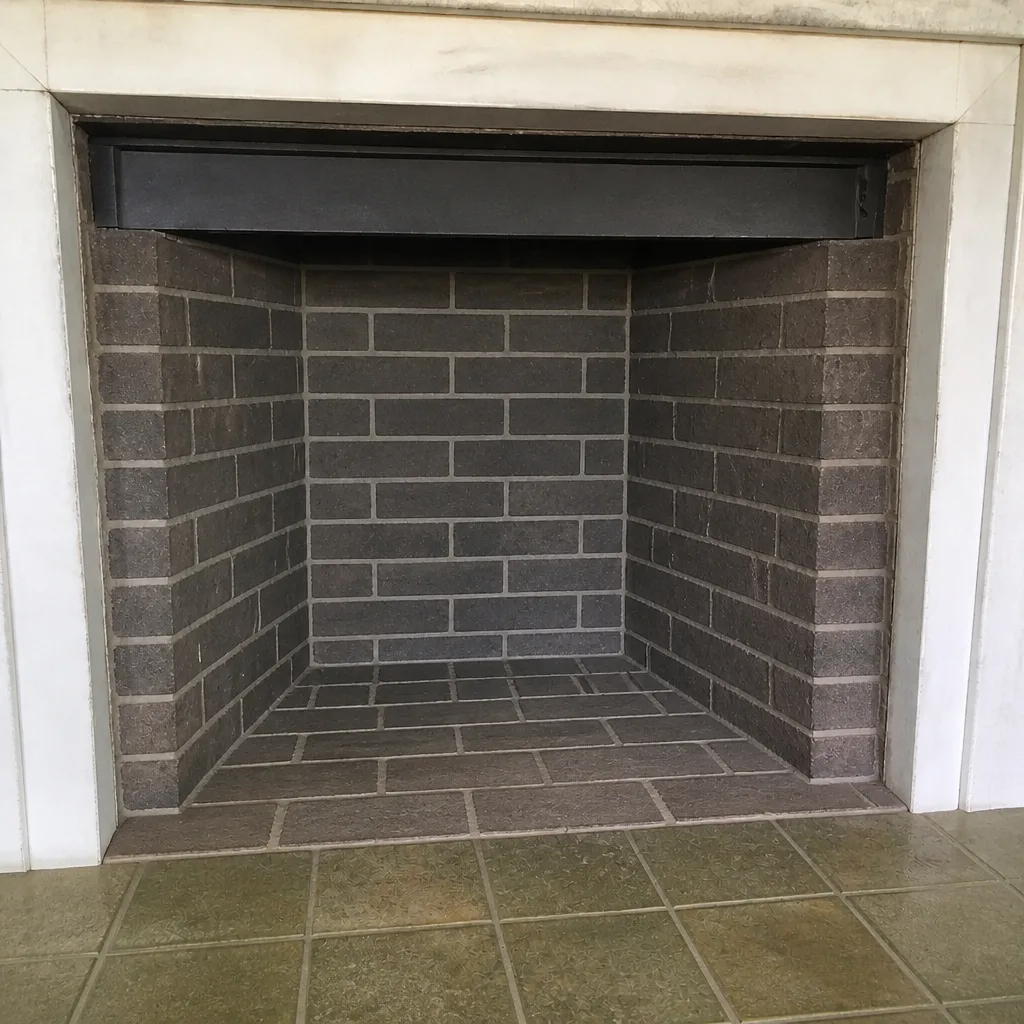
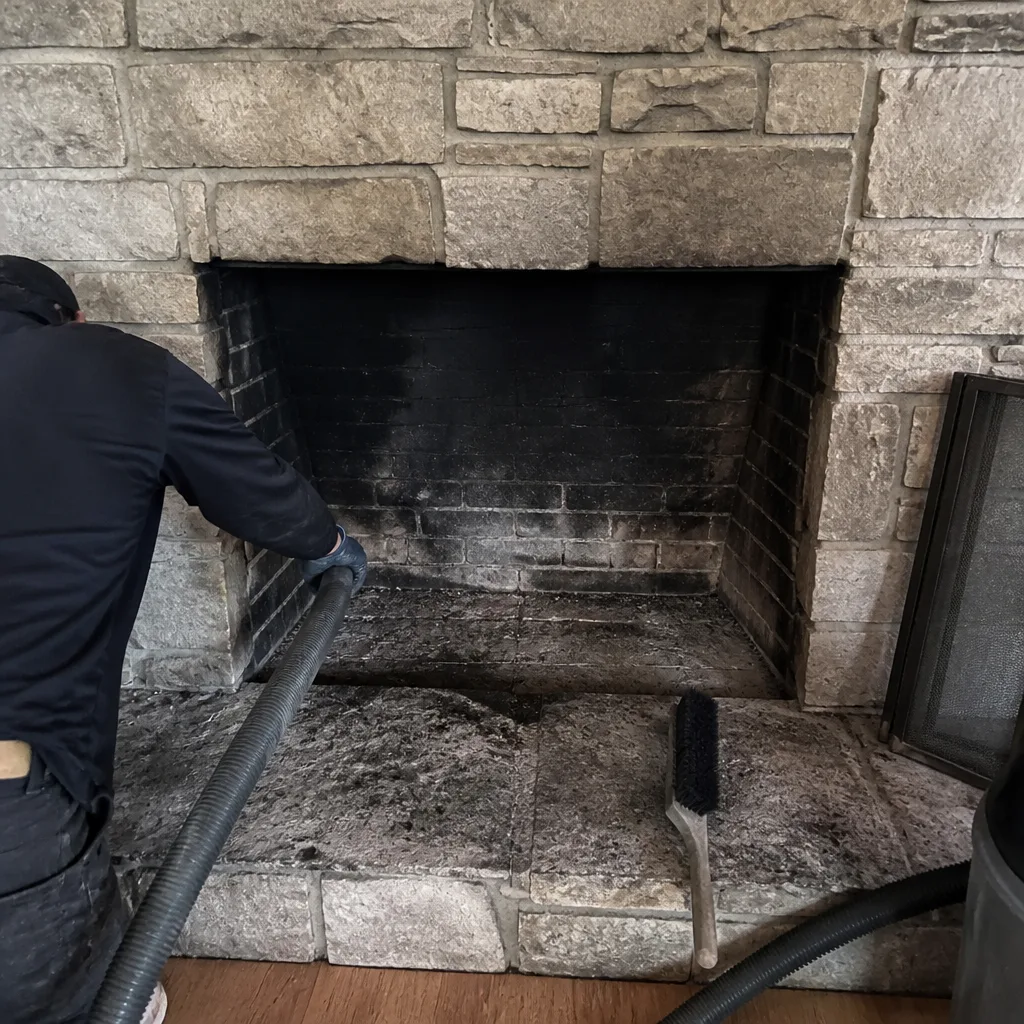
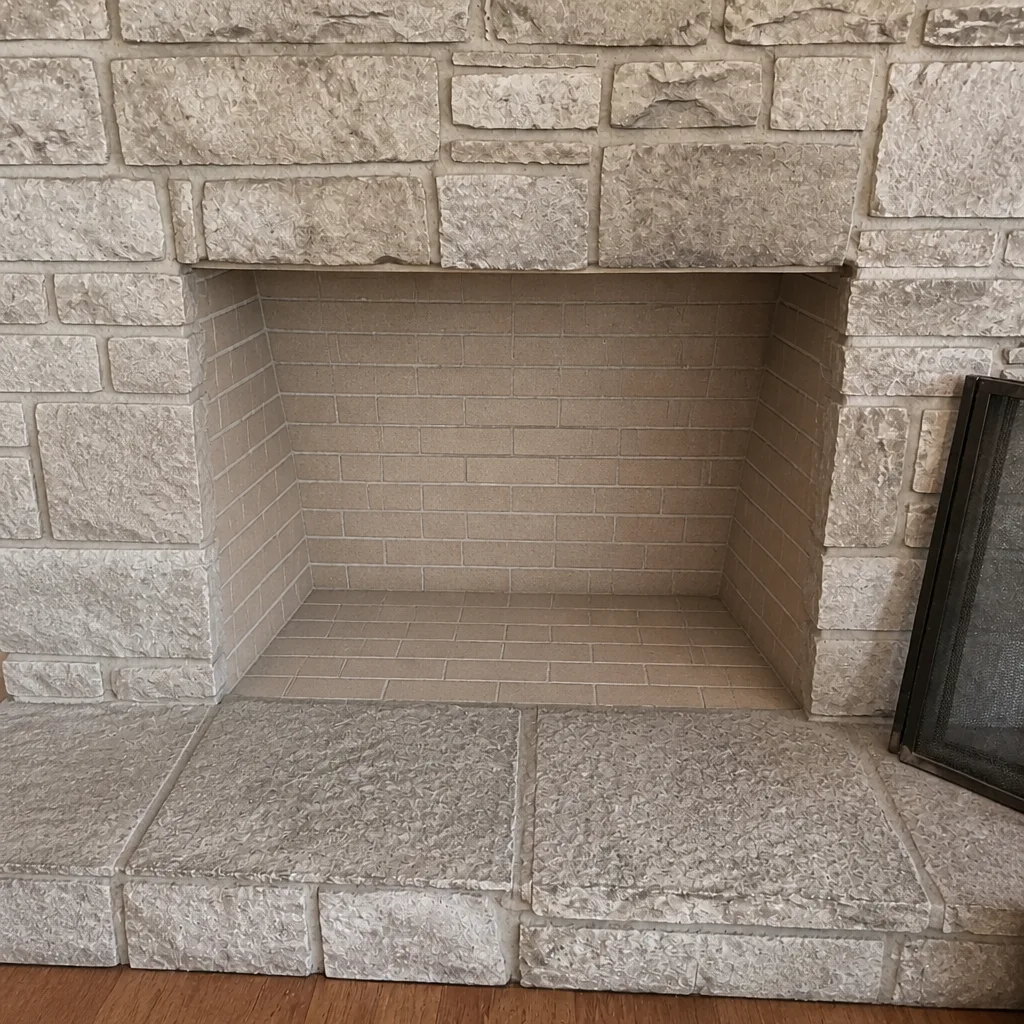
See the difference
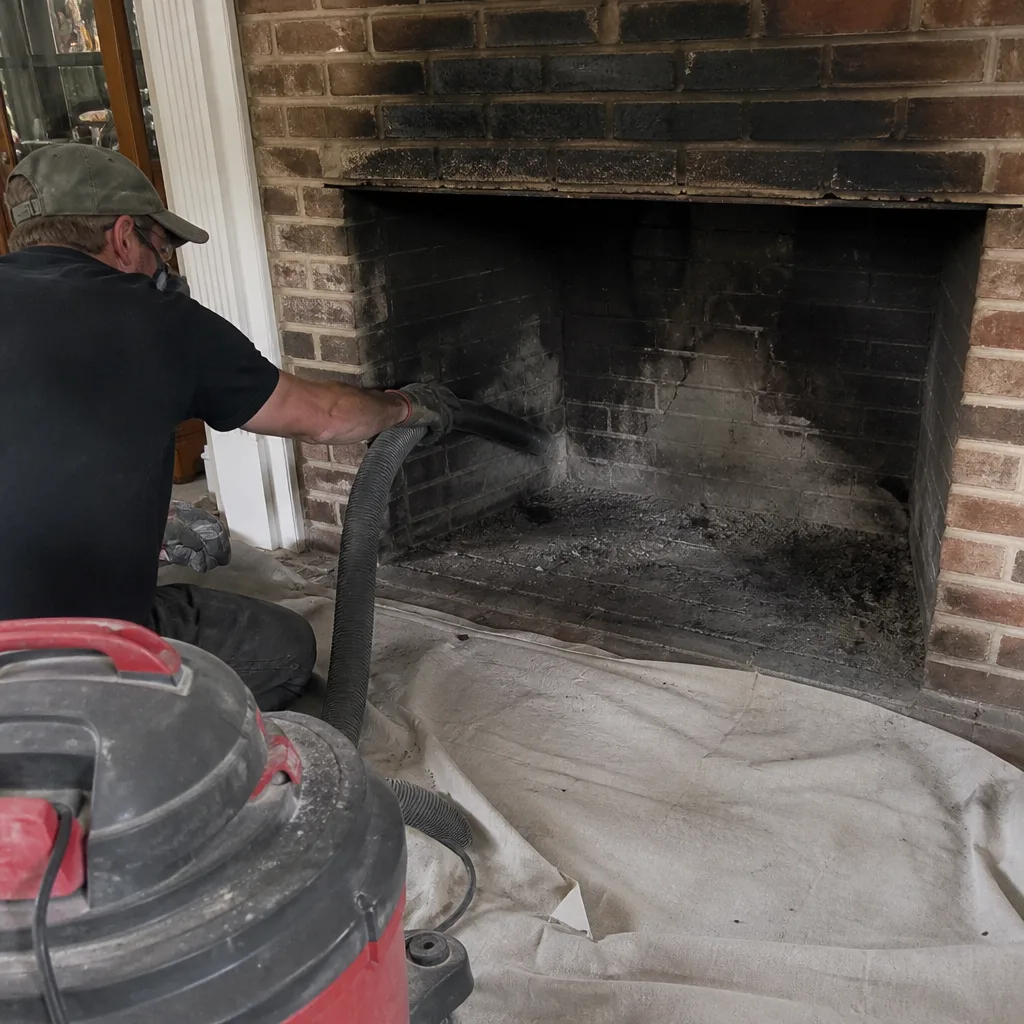 Before
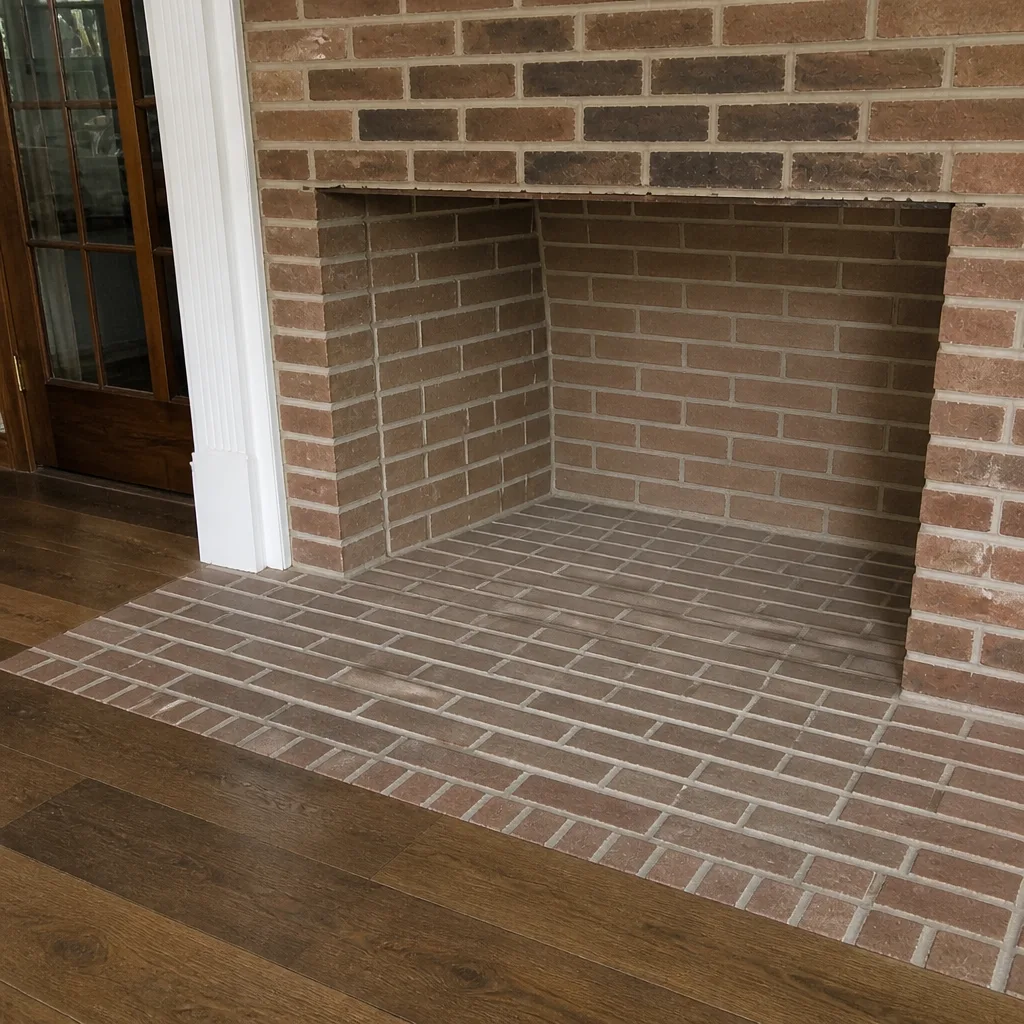 After
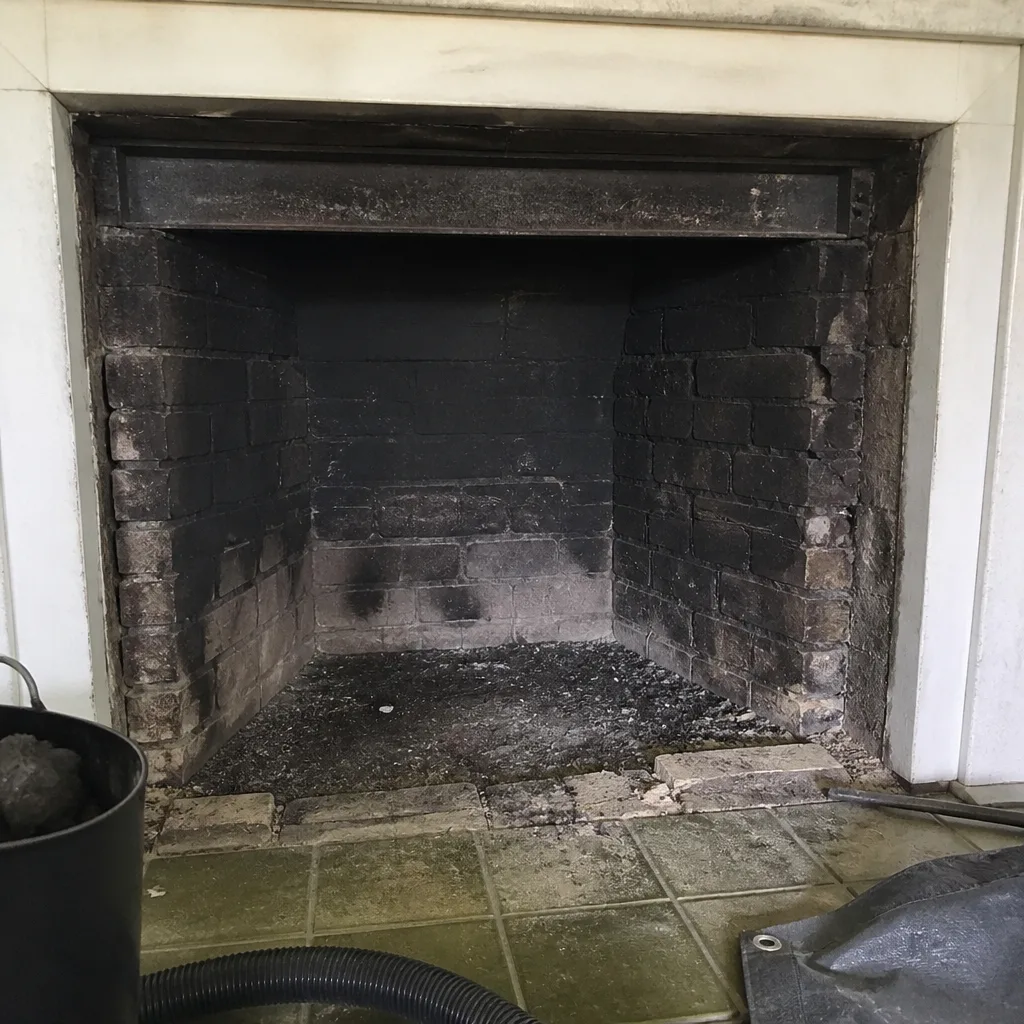 Before
 After
 Before
 After
When to Call a Professional
Call a professional chimney technician in any of these situations:
- Any suspected chimney fire, even one that seemed brief or self-extinguished
- A sudden smell of smoke in the house when no fire is burning, or smoke backing into the room when the fireplace is lit
- New CO detector alarms near the fireplace or chimney
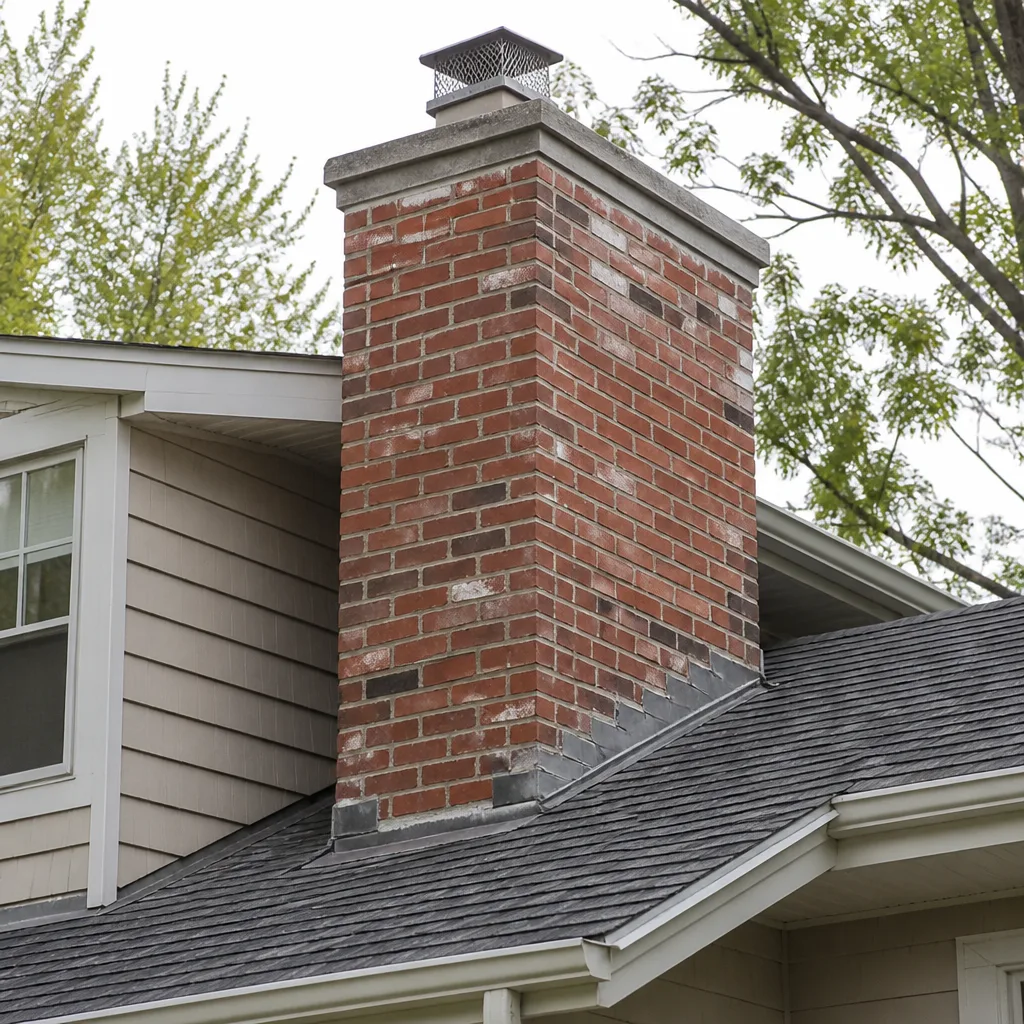
- Visible cracking, spalling or separation on the chimney exterior or the firebox interior
- A missing or damaged cap, or clear signs of bird or animal activity inside the flue
- It’s been a full season or longer since your last sweep
- You’re moving into a Lexington home with a fireplace and no service records for it
The point of calling isn’t to sell you a liner. It’s to find out what the flue actually looks like. Lexington Chimney Cleaning offers free estimates in Lexington. Call (833) 946-8918. We answer 24/7. Fast dispatch from 7am to 7pm, Sunday through Friday.
Frequently Asked Questions
Signs of a recent chimney fire include a roaring or rumbling sound from the flue during a burn, puffy honeycombed creosote inside the firebox, cracked or warped liner material, and black creosote flakes on the roof or in the yard. If any of these are present, stop using the fireplace and get a Level 2 inspection before lighting another fire.
Close the damper only if the firebox is closed and everyone is already on the way out. Don’t reach into an open firebox to close the damper on your way out. The priority is 911 from outside the house and evacuation for everyone inside.
Once a year for most homes with regular fireplace use is the standard recommendation, with more frequent sweeps for stoves that burn daily through the winter. Homes with a gas fireplace need inspection more than they need sweeping, but they still need the annual look. Call (833) 946-8918 for an exact quote – estimates are free.
Yes. A chimney fire can crack clay tile liners, warp metal liners and separate liner sections without any visible sign from the outside. That’s why NFPA 211 calls for a Level 2 inspection after a chimney fire – the camera is the only way to see inside the flue.
Yes, though for different reasons. Gas fireplaces and inserts vent combustion byproducts, and a partially blocked or deteriorated vent can let carbon monoxide back into the home. An annual inspection catches venting issues before they become a CO risk. Call (833) 946-8918 for an exact quote – estimates are free.
Creosote builds up in the flue, and a thick enough layer can ignite. Even without a fire, a skipped year can let a developing liner crack or cap damage go unnoticed. A sweep each season is the cheapest step you can take to prevent a bigger problem later. Call (833) 946-8918 for an exact quote – estimates are free.
The Bottom Line
Chimney fires happen with no warning sign visible from the living room, and carbon monoxide can enter a home through a flue that looks completely intact. The way to reduce both risks is the same: a regular camera inspection and sweep, a working cap and liner, and an emergency plan you and everyone in the house know by heart. If you suspect a fire, get out and call 911 first. After any fire, call a chimney specialist before the next fire is lit. Lexington has plenty of cold nights ahead, and the work that keeps them safe happens before the season, not during a chimney emergency.
To book an inspection or a sweep, call (833) 946-8918. We answer 24/7. Fast dispatch from 7am to 7pm, Sunday through Friday. Estimates are free, and everything we recommend comes with a camera report you can see for yourself.
Written by the team at Lexington Chimney Cleaning.