
Last updated November 16, 2026
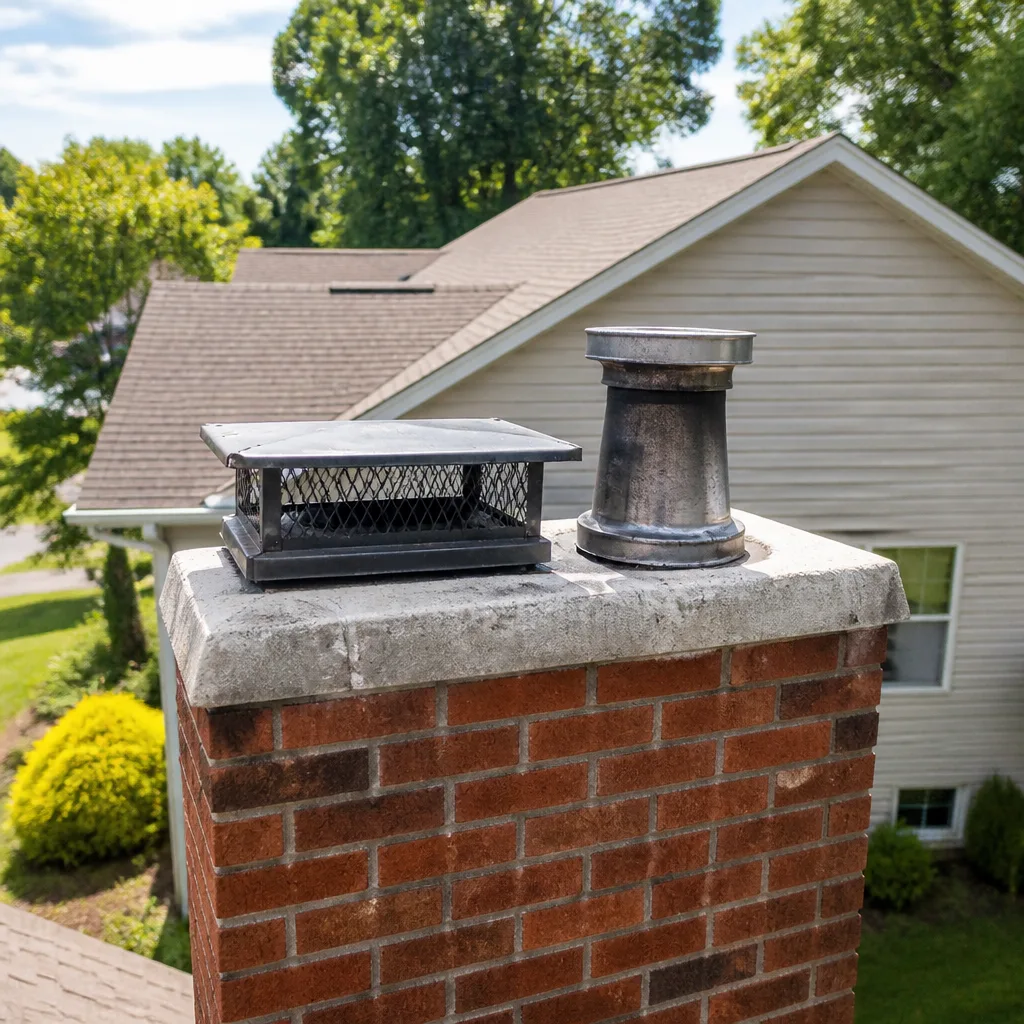 Sweep & inspection
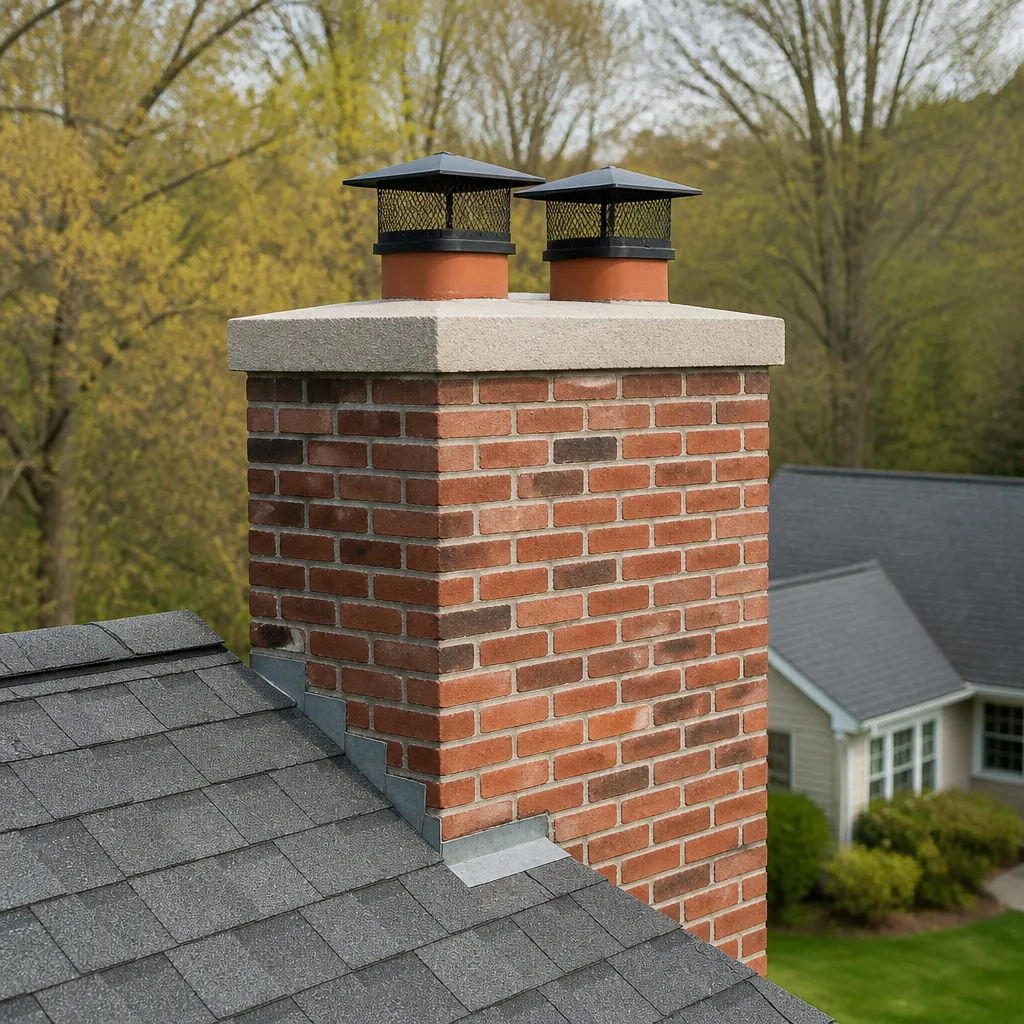 Caps & crowns
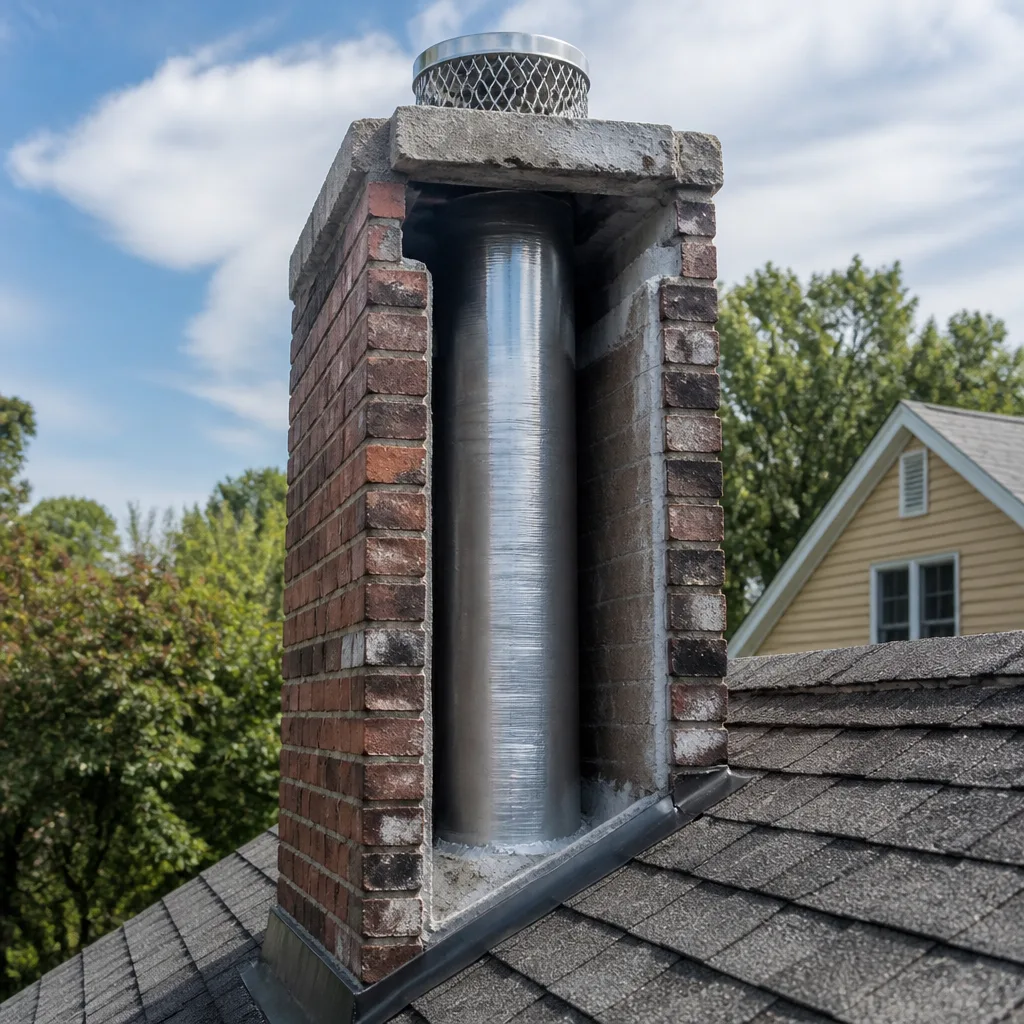 Flue relining
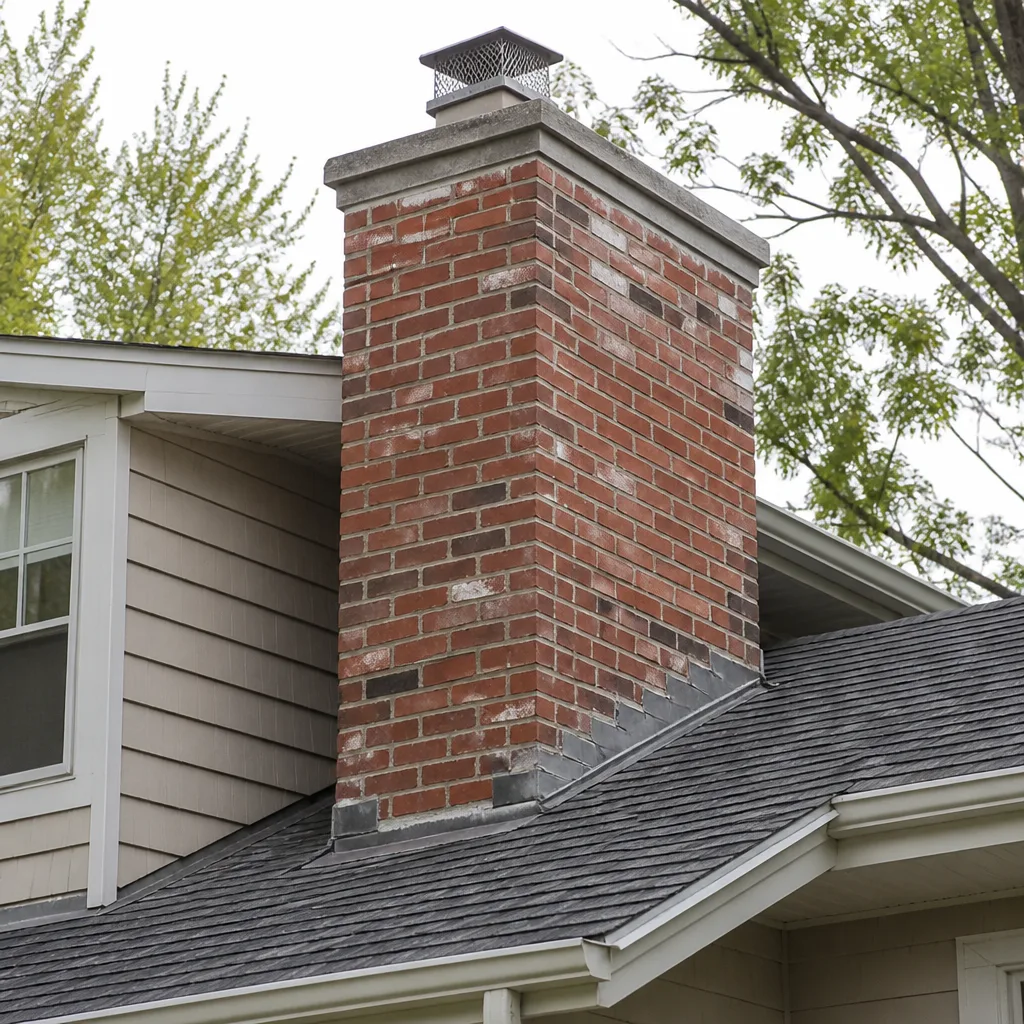 Masonry repair
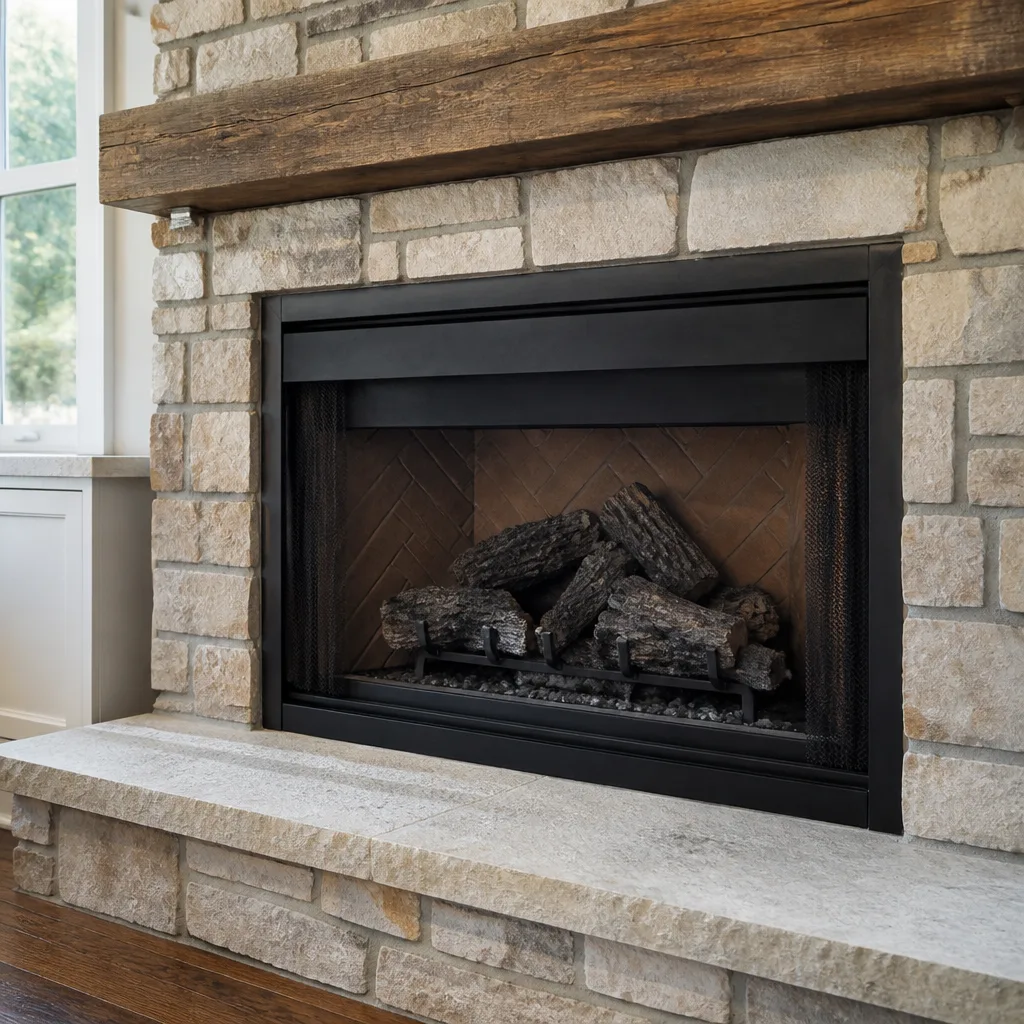 Gas fireplace service
Level 1 sweep and inspection to the NFPA 211 annual standard - flue, crown, cap, and flashing checked and photographed
Chimney sweep logs do not sweep chimneys. They loosen some creosote - which then falls where a brush and vacuum still have to collect it.
The Complete Chimney Inspection Guide for Lexington Homeowners
Most homeowners assume a chimney inspection is one thing: someone looks up the flue, maybe runs a brush, and tells you it’s fine. That assumption causes problems. The National Fire Protection Association defines three distinct inspection levels in NFPA 211, and each one answers a different question. A Level 1 tells you whether your chimney is safe to use right now. A Level 2 tells you what you actually own. A Level 3 tells you what’s hidden behind the masonry. Asking for the wrong one before a home purchase, after a chimney fire, or following a storm can leave serious defects undocumented and give an insurer grounds to question a claim. This guide maps each level to the situations Lexington homeowners actually face, explains what a video scan reveals that a visual sweep can’t, and shows you what a proper written report looks like.
Quick Answer
A chimney inspection in Lexington falls into one of three levels defined by NFPA 211. Level 1 is a visual check of accessible portions during routine annual use. Level 2 adds a video camera scan of the entire flue and is required after any chimney fire, storm event, liner change, or home sale. Level 3 involves opening walls or masonry to reach concealed areas and is used only when a Level 2 finds a defect that can’t be assessed from the flue. Most homeowners need Level 1 annually and Level 2 at purchase or after an event.
Styles & brands we work with
- Sweep & inspection
- Caps & crowns
- Flue relining
- Masonry repair
- Gas fireplace service
Table of Contents
- What Is a Chimney Inspection?
- The Three NFPA 211 Inspection Levels Explained
- What a Level 2 Video Scan Actually Reveals
- How Central Kentucky Winters Damage Chimneys
- What a Written Inspection Report Should Include
- How Inspection Findings Affect Homeowner’s Insurance
- Sweep vs. Inspection: What’s the Difference?
- How to Choose a Chimney Inspector in Lexington
What Is a Chimney Inspection?
A chimney inspection is a structured assessment of the flue, firebox, damper, crown, cap, and all visible venting components to determine whether the system can safely vent combustion gases and whether any defect threatens the home. It is not the same as a sweep. A sweep removes creosote and soot; an inspection evaluates condition and documents findings. The two are done together in most cases, but they serve different purposes and one does not replace the other.
In Lexington, inspections matter for a reason beyond fire safety. Homes here range from century-old houses near downtown to newer construction out in the suburbs, and the chimney systems vary enormously. A masonry chimney in an older neighborhood may have a clay tile liner with offset joints that have shifted over decades. A more recent home may have a factory-built metal chimney with a liner that’s fine but a cap that’s failed. You cannot tell which by looking at the fireplace from the living room.
A proper inspection follows a defined checklist:
- Exterior: crown condition, mortar joints, flashing at the roofline, cap and spark arrestor
- Firebox: brick face, mortar, refractory panels, hearth extension
- Damper: operation, seal, and frame condition
- Flue interior: liner type, joint alignment, cracking, gaps, obstruction
- Connections: stovepipe or insert collar, appliance flue collar, any thimble through a wall
- Venting pathway: adequate draft, correct termination height, no competing exhaust nearby
The purpose of all of it is to answer one question: can this system carry smoke and carbon monoxide out of the house safely, and if not, why? Everything else in this guide flows from that.
The Three NFPA 211 Inspection Levels Explained
NFPA 211 defines chimney inspections in three levels, and the level you need depends entirely on what has happened to the chimney since the last inspection. Hiring a technician who only performs Level 1 because that’s their standard visit is a common mistake. Here’s what each level covers and when it applies.
Level 1: Routine Annual Inspection
A Level 1 is a visual inspection of all readily accessible portions of the chimney, firebox, and connected appliance, without tools that could damage the system. It assumes the chimney has been used normally since the last inspection and that no event has occurred. This is the level tied to annual maintenance for a wood-burning fireplace, a gas fireplace, or a wood stove that’s been in continuous residential use.
If your chimney has never had a sweep or inspection, a Level 1 is a reasonable place to start. If it turns up indications of a hidden problem, the inspection escalates to Level 2.
Level 2: The Inspection Required After an Event
A Level 2 adds a video camera scan of the entire flue and includes inspection of accessible portions of the attic, crawlspace, and other areas that connect to the chimney. It’s the level required after any of the following:
- Purchase or transfer of the property (most real estate transactions call for it)
- A chimney fire, even a small one you think extinguished itself
- An earthquake, tornado, high wind, or other seismic or weather event
- A change of fuel type or appliance (for example, converting a wood fireplace to gas, or installing an insert)
- A change to the flue, such as a new liner or a replaced cap
- A significant flue fire or evidence of one discovered during a sweep
- Any indication of a hidden defect found during a Level 1
This is the level most Lexington homeowners have never heard of, and it’s the one that matters most after a home purchase or a chimney fire. A Level 1 after a chimney fire can easily miss the crack in a clay tile liner that the fire caused, and that crack is exactly what an insurer will ask about if there’s a subsequent claim.
Level 3: When Concealed Access Is Necessary
A Level 3 is used only when a Level 1 or Level 2 identifies a defect that cannot be properly assessed without opening concealed portions of the chimney or building. That can mean removing a section of wall, opening a masonry face, or accessing a chase. It’s the least common inspection and it should always follow an earlier level that justified it. If a technician recommends a Level 3 without having done a Level 2, ask why.
What a Level 2 Video Scan Actually Reveals
A video scan is the core of a Level 2 inspection, and it’s the reason the level exists. A visual look up the flue from the firebox shows you the first few feet of liner and little else. A camera on a flexible rod run the full length of the flue shows you every joint and surface, and it documents what it saw on video for the homeowner to review.
Here’s what the camera turns up that a visual check usually misses:
- Hairline cracks in clay tile liners. Clay tile is brittle and it cracks at the joints under thermal cycling. A single crack can be invisible from the firebox and can allow heat or combustion gases into the surrounding masonry.
- Offset joints and shifted tiles. Old masonry flues often have tiles that have rotated or pulled apart slightly, leaving gaps that can catch creosote and block the flue over time.
- Missing or dislodged mortar between tiles. Small gaps between tiles create pockets where creosote accumulates and where heat can reach combustibles.
- Hidden blockages. Nests, leaves, fallen tiles, or partially collapsed liners can obstruct the flue without any visible sign from below.
- Failed factory-built liner seams. Metal liners in factory-built chimneys can separate at seams, and the seam failure is not usually visible from the firebox.
- Creosote glazing deep in the flue. Glazed creosote forms in stages and can be concentrated in upper sections that a casual brush pass doesn’t fully address.
For a homeowner, the value is simple: you get to see the video yourself. We use a camera on every Level 2 inspection and we show the footage to the homeowner at the time of the visit. If a technician won’t let you watch the scan, you should ask why not. Professional-grade equipment from brands like Olympia Chimney or DuraFlex cuts down on the guesswork, but the real value is the evidence you can see with your own eyes.
How Central Kentucky Winters Damage Chimneys
Central Kentucky’s freeze-thaw pattern is a slow mechanical stressor on masonry chimneys, and the way it damages them is specific to this region. Winters here routinely cycle above and below freezing, often within the same 24-hour period, and that cycling works on the chimney from both sides: warm and moist on the flue side in winter, cold and wet on the exterior.
Ice Damming at the Crown
A masonry chimney crown is the concrete or mortar cap at the top of the stack, sloped to shed water away from the flue. When snow sits on the crown and melts during a mild afternoon, the meltwater runs down to the edge and refreezes as the temperature drops overnight. That refreezing cycle widens any hairline crack at the crown’s edge, and over a few winters a small crack becomes a path for water directly into the masonry below the crown. Water entering the chimney from the top is one of the leading causes of interior masonry spalling.
Mortar Joint Damage
The mortar joints between bricks are softer than the brick itself, and they absorb water more readily. Repeated freeze-thaw cycles push mortar out at the surface, called “pointing” or “spalling” depending on the stage, and once the joint fails, the brick face begins to erode. On the roof line above a Lexington home, this shows as crumbling mortar and, later, as loose bricks. That’s not cosmetic; a chimney with failing mortar can leak smoke into the attic or allow water into the framing below.
What This Means for Inspection Timing
Late winter and early spring are common times to discover crown and joint damage in Lexington because the damage has been accumulating through the season. An annual inspection in the fall catches the damage before winter does it again. A Level 2 after a hard winter identifies the interior problems that the exterior check cannot see.
What a Written Inspection Report Should Include
A verbal inspection is not an inspection. Every inspection should produce a written report you keep, and that report should be specific enough to serve as an insurance record. If a contractor hands you a one-line invoice and a verbal “it’s fine”, that’s a red flag. Here’s what a proper written report should contain.
Minimum Contents of a Written Report
- Inspection level performed (1, 2, or 3). Stated explicitly, with the reasons for the level.
- Chimney type and fuel. Masonry with clay tile liner, factory-built metal chimney, wood insert, gas appliance, or wood stove.
- Date of service and the technician’s name. For your records and for insurance.
- Findings by component. Separate notes for the crown, cap, flashing, firebox, damper, flue, and appliance connection.
- Condition classification. Each component described as acceptable, needs attention, or unsafe to use.
- Photos and video. Exterior and interior photos where relevant, and any video scan footage from a Level 2.
- Recommendations with a service scope. What needs to be done, roughly in what order, and what can safely wait.
- Clear statement of what the homeowner should do next. If the chimney is unsafe to use, the report says so and says why.
Red Flags in a Report
- No written report offered at all, or offered only as a verbal summary
- A recommendation for major liner or masonry work with no photos or video to back it up
- No level identified, or the level stated doesn’t match the situation
- Price quoted before any inspection was done
- A photo set that shows only the interior of the firebox and no flue or exterior
Nothing should be recommended that the report can’t support with evidence you can see. That’s the standard we hold ourselves to on every chimney sweep and inspection we perform, and it’s the standard you should require of anyone else.
How Inspection Findings Affect Homeowner’s Insurance
Chimney inspection findings matter to insurers more than most homeowners realize, and the inspection level is often the point of contention after a claim. A chimney fire caused by creosote accumulation in a liner that was last inspected at Level 1 three years earlier is a very different conversation than a fire caused by a hidden crack discovered during a Level 2 inspection just before the fire. The former suggests neglect; the latter documents a defect the homeowner took steps to find.
Here’s what most insurers will ask for after a chimney-related claim:
- Evidence of routine maintenance, including dates of past sweeps and inspections
- The most recent written inspection report
- If a Level 2 was performed, the video scan footage
- Any documentation of prior repairs, with receipts and materials
- Confirmation the appliance was being used as designed (fuel type, damper operation)
Two practical points follow from that. First, keep your reports. A stack of inspection reports from the past few years is a powerful record. Second, get a Level 2 at the right moments, particularly at home purchase, after any chimney fire, and after any significant storm or seismic event. Those are precisely the moments an insurer will ask about, and a Level 1 in place of a Level 2 leaves a gap in the record.
If you’re buying a home in Lexington, a Level 2 is worth insisting on as part of the transaction. It’s the only way to know what you’re inheriting, and it gives you a written record from day one.
Sweep vs. Inspection: What’s the Difference?
A sweep removes creosote and soot from the flue. An inspection evaluates the condition of the chimney system and documents findings. In practice the two are almost always performed together because a sweep is the natural moment to look, and an inspection is what tells you whether the sweep was enough.
The distinction matters because the industry charges for the two separately, and because some companies perform only one. A sweep without an inspection tells you the flue is clean; it doesn’t tell you the liner is intact. An inspection without a sweep tells you the liner is intact but leaves the creosote in place. In Lexington, where wood-burning fireplaces are common and burn seasons are long enough to accumulate creosote steadily, most homeowners with wood fuel need both annually. Gas fireplace owners need an inspection but usually far less sweeping, because gas produces much less soot.
We handle inspection, sweep, and repair as one workflow, which means a defect found during the sweep doesn’t turn into a second appointment with a second company. That’s been a practical advantage for homeowners who’d otherwise chase two separate contractors through the repair. If it’s been a while, or if you’ve never had either done, a chimney repair assessment alongside a sweep is a sensible starting point.
How to Choose a Chimney Inspector in Lexington
Choosing an inspector comes down to whether the person doing the work is a chimney specialist or a general contractor doing chimneys on the side. The NFPA 211 framework is only useful if the person applying it knows the standard and performs the level appropriate to your situation.
Here’s what to look for:
- Trade focus. A chimney-only specialist carries the training, equipment, and materials for chimney work. A roofer or HVAC tech who also does chimneys typically doesn’t have a video camera rig set up for a full Level 2.
- Explicit inspection level. The technician should be able to tell you which level they’re performing and why before they start.
- Video equipment. A camera rig for full-flue scanning, not a flashlight and a mirror.
- Written report and footage. Delivered at the visit, not by email a week later, and not on request only.
- Professional-grade repair materials. When a defect is found, the repair should use materials rated for chimney service, not generic hardware-store parts. We work with DuraFlex, HeatShield, Gelco, Olympia Chimney, Famco, and Copperfield because those are the brands used by certified chimney specialists, and HeatShield in particular is installed only by trained applicators.
- No upsell before evidence. A recommendation should always follow from a photo or video finding, never precede it.
Our technicians have up to 12 years of experience, and every technician is chimney-specific. That’s the practical meaning of single-trade focus: the person in your living room does chimney work and only chimney work. For a fuller picture of what we handle, see Lexington Chimney Cleaning.
Common Mistakes to Avoid
- Accepting a Level 1 after a chimney fire. A Level 1 is a visual check and can’t see the liner crack a fire likely caused. If there’s been a fire, a storm, or a home purchase, ask for a Level 2.
- Skipping the video scan on a home purchase. Real estate inspections often stop at a visual check, which leaves the flue interior undocumented. The Level 2 with video is the record you’ll want if you ever file a claim.
- Ignoring a cracked crown through a Lexington winter. A hairline crack at the crown is a slow path for water into the masonry. Each freeze-thaw cycle widens it, and a cracked crown that goes unaddressed can take the top of the stack with it.
- Trusting a quote with no photos or video. If a technician recommends thousands of dollars in liner or masonry work, ask to see the evidence. A recommendation without visual proof isn’t one you can verify.
- Treating a sweep as an inspection. A clean flue is not a safe flue. The sweep removes creosote; the inspection tells you whether the liner is intact and the flue is intact.
- Hiring a general contractor for a chimney job. Chimney repair materials are specific. A liner installed with generic parts, or resurfacing done by someone not trained on the system, can fail in ways a specialist wouldn’t have allowed.
- Losing the written report. Keep every inspection report and video in a single folder. They’re what your insurer will ask for after a claim, and they’re hard to reconstruct afterward.
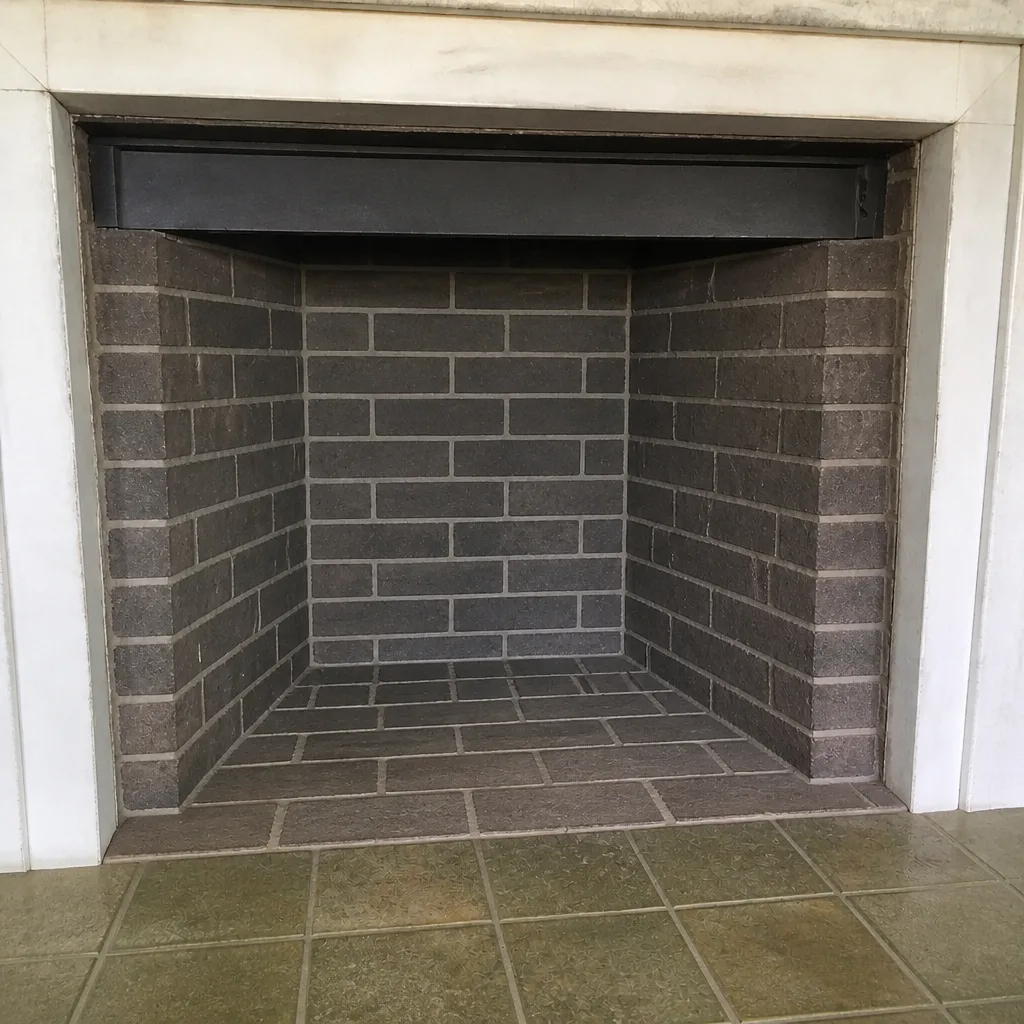
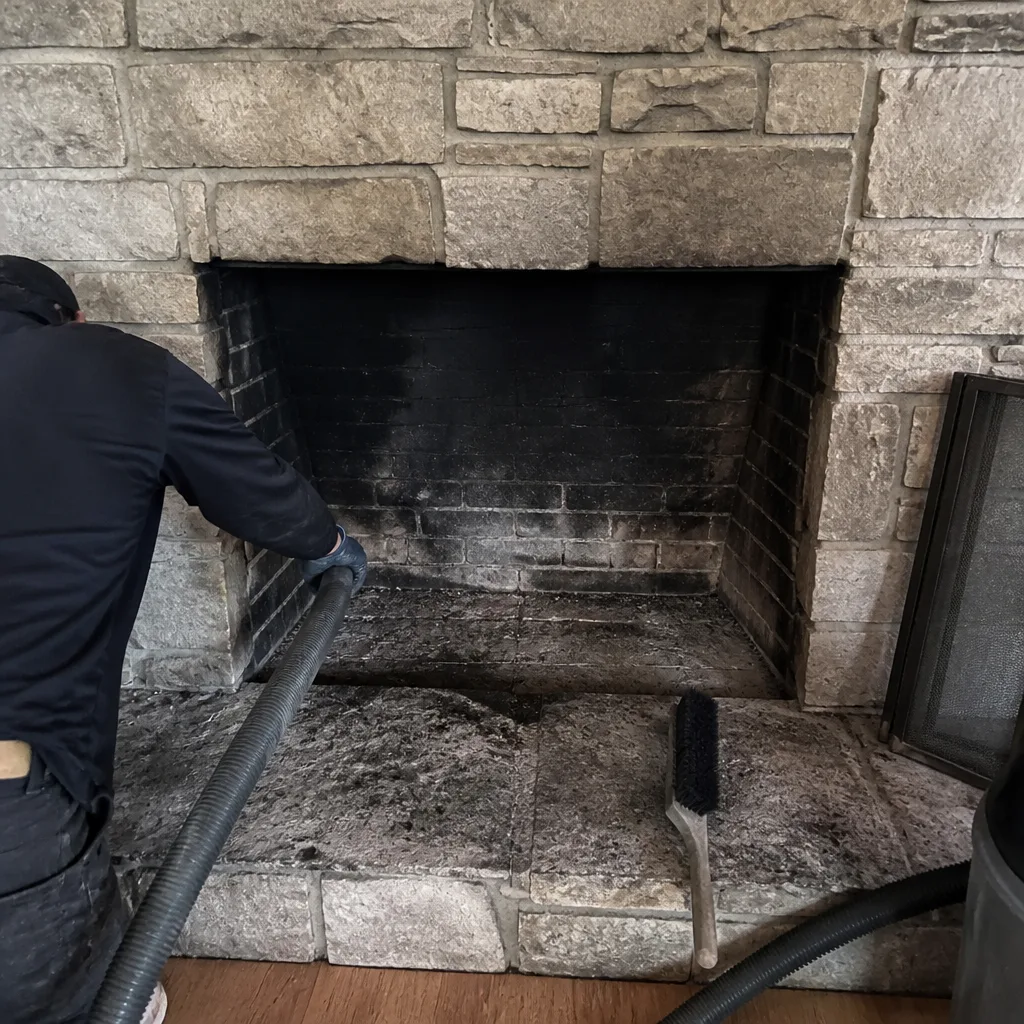
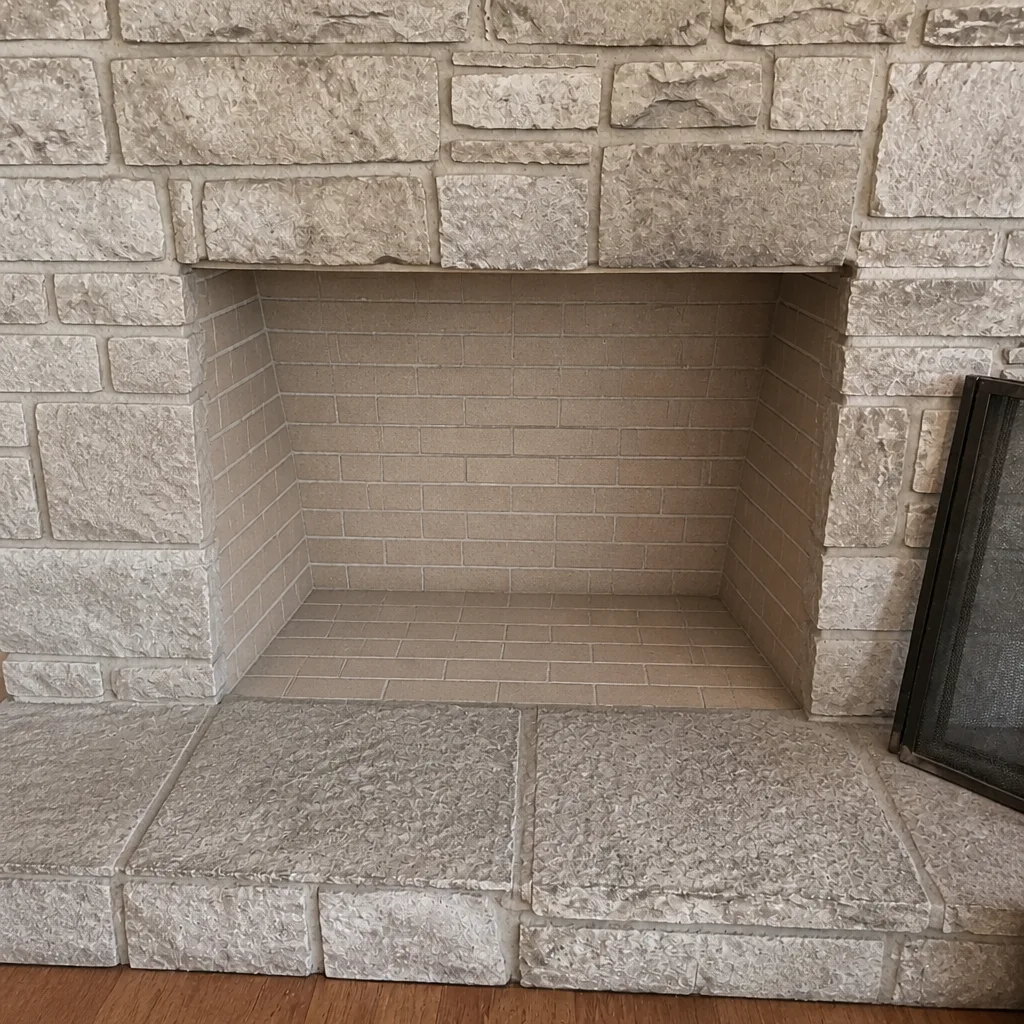
See the difference
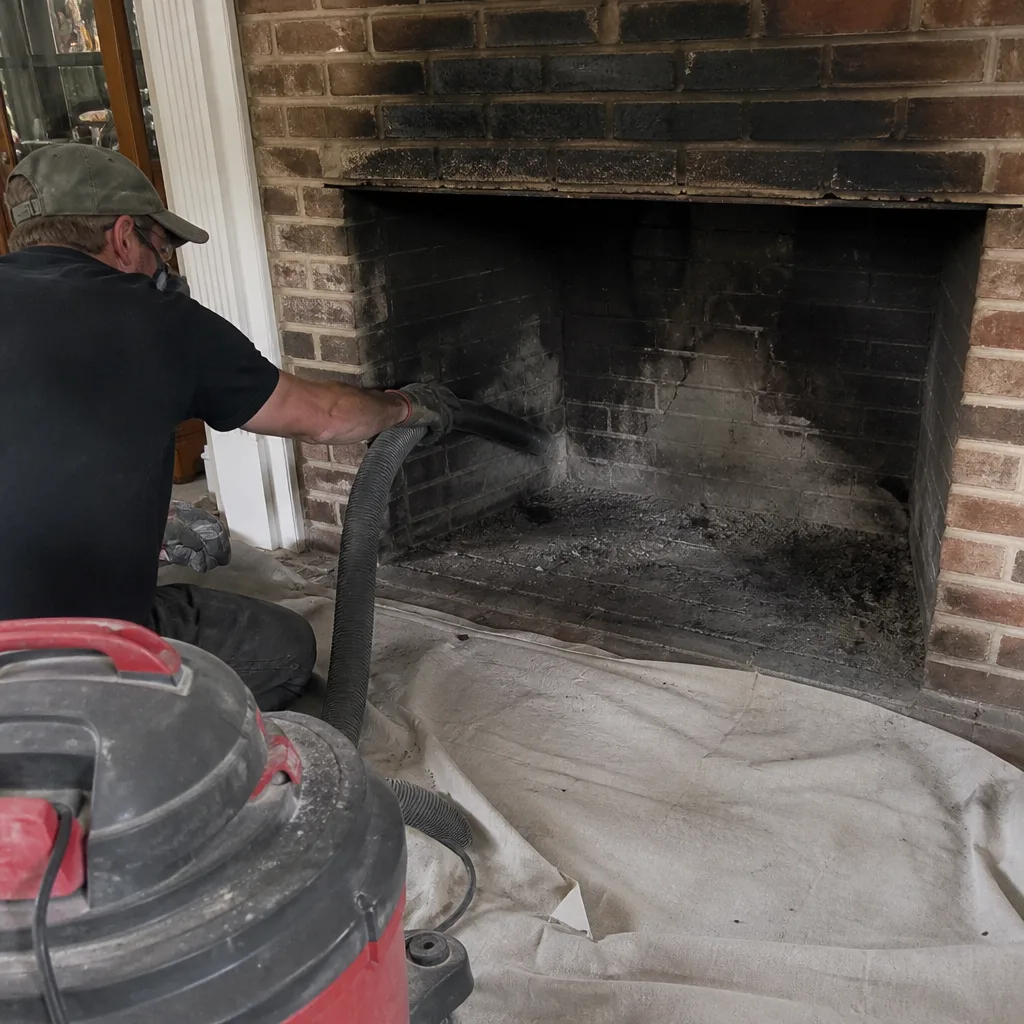 Before
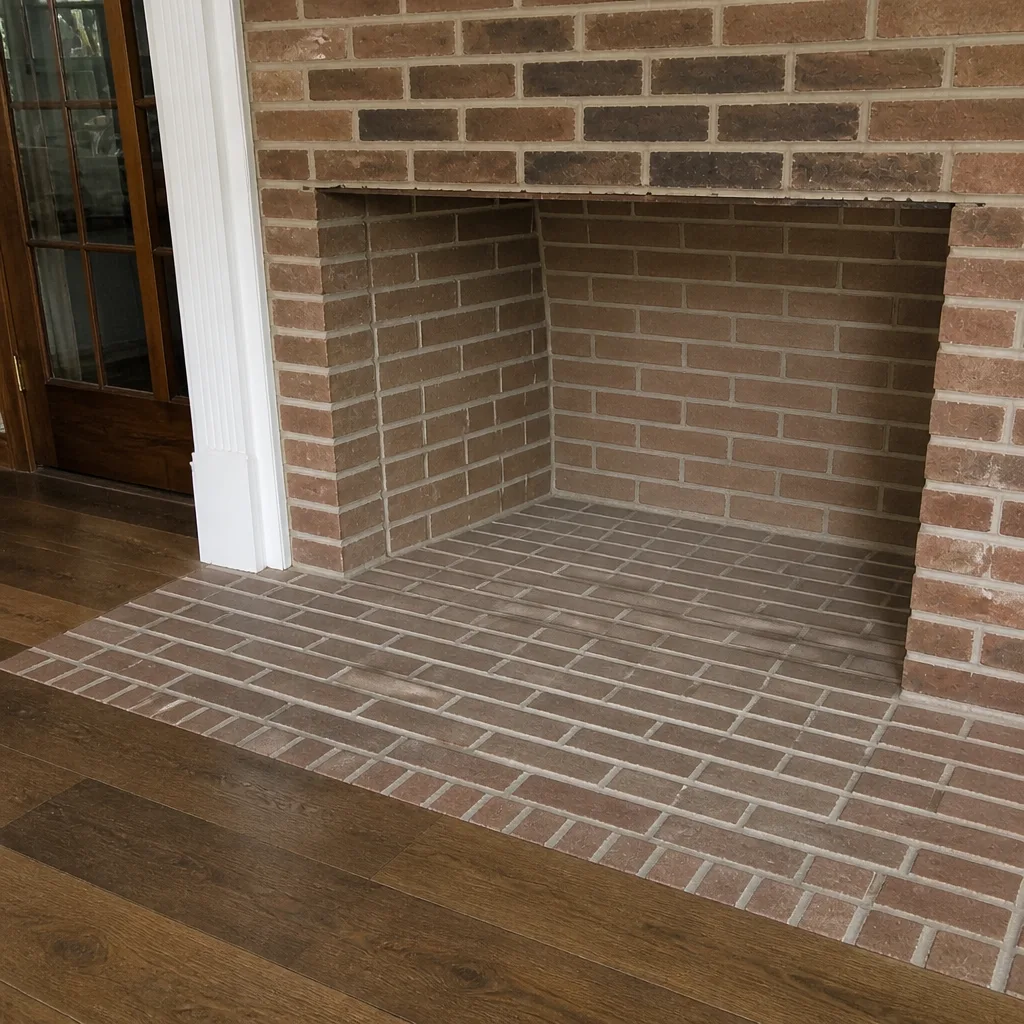 After
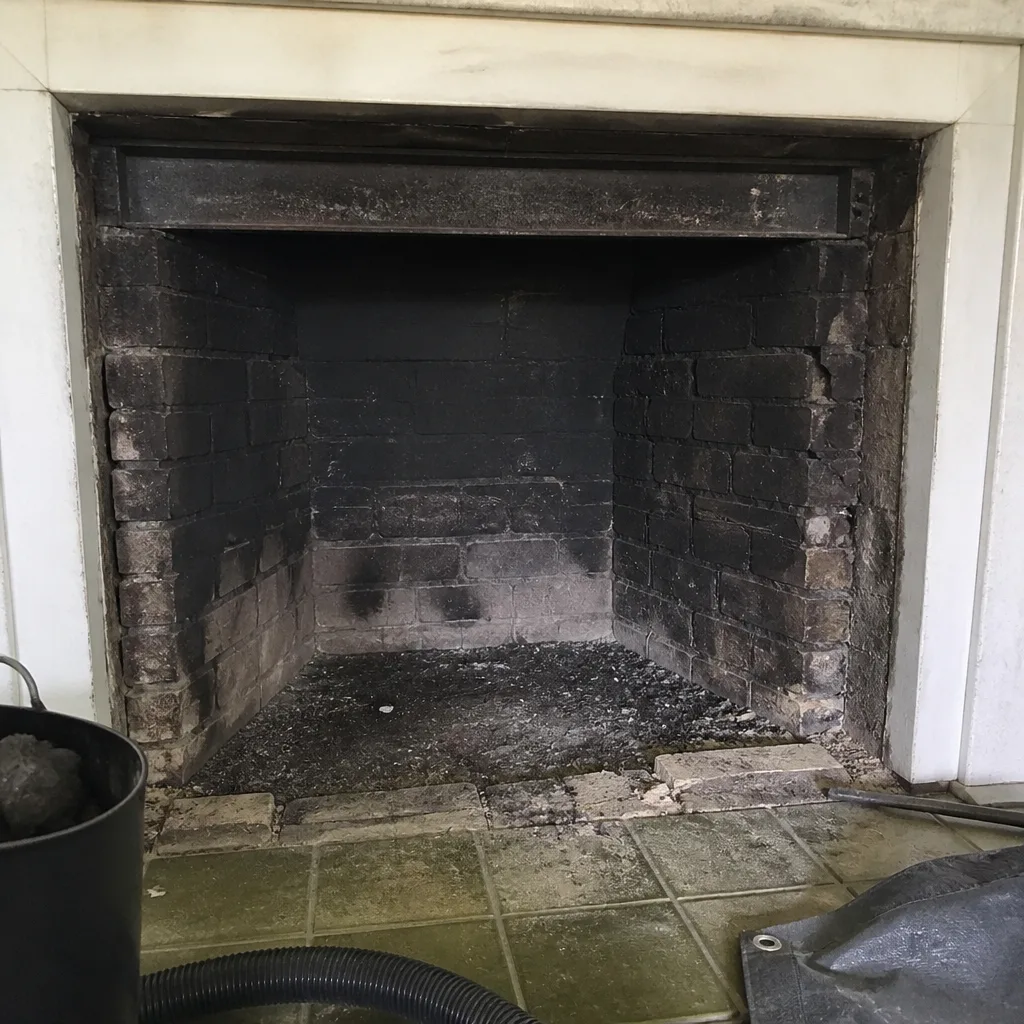 Before
 After
 Before
 After
When to Call a Professional
Some chimney issues are obvious and some are not, and a fair number of them sit quietly until the fire season starts. Call a professional if any of the following apply: you’ve never had the chimney inspected; it’s been more than a year since the last inspection; there’s been a chimney fire, a storm, a seismic event, or a change of appliance since the last inspection; you’re buying or selling a home in Lexington; you smell smoke in the house when the fireplace is in use; the damper is difficult to open or doesn’t seal; or there’s visible damage to the crown, cap, or mortar joints at the roofline. If the chimney hasn’t been used in years and you’re thinking about lighting it this season, that’s a call too, because sitting unused is exactly when hidden problems accumulate. Lexington Chimney Cleaning offers free estimates in Lexington – call (833) 946-8918. We answer 24/7. Fast dispatch from 7am to 7pm, Sunday through Friday.
Frequently Asked Questions
Once a year for a wood-burning fireplace or wood stove, and once a year for a gas fireplace even though gas produces minimal creosote. Annual inspection is the NFPA 211 baseline, and in central Kentucky the freeze-thaw cycle makes the annual check more valuable because it catches crown and mortar damage before the next winter does more of it. A Level 2 is added on top of the annual Level 1 when there’s been a fire, a storm, a change of appliance, or a home purchase. Call (833) 946-8918 for an exact quote – estimates are free.
Yes, and it’s the single most useful inspection to insist on during a home purchase. A Level 1 visual check cannot see the inside of the flue, and many older Lexington homes have clay tile liners with offset joints or hairline cracks that a visual check will miss. A Level 2 with video gives you a documented record of the chimney’s condition from the day you take ownership, which is exactly what an insurer will want if there’s a claim later. Call (833) 946-8918 for an exact quote – estimates are free.
A sweep removes creosote and soot from the flue; an inspection evaluates the condition of the chimney and documents the findings in a written report. They’re usually done together, but they’re not the same service and one doesn’t replace the other. A sweep alone tells you the flue is clean. An inspection tells you whether the liner, crown, firebox, and damper are in a condition that’s safe to use. We handle both, plus repair, in one visit when the situation allows, so a problem found during the sweep doesn’t require a second company. Call (833) 946-8918 for an exact quote – estimates are free.
It shows the entire flue interior, joint by joint, and it records footage you can watch. That’s how a Level 2 finds hairline cracks in clay tile liners, offset joints, missing mortar between tiles, hidden blockages from nests or fallen tiles, and seam failures in factory-built metal liners – none of which is visible from the firebox. The footage also serves as your record if you ever need it. If a technician won’t let you watch the scan, that’s a fair reason to ask for a different technician. Call (833) 946-8918 for an exact quote – estimates are free.
Yes, and late winter and early spring are when the exterior damage is easiest to see. Central Kentucky’s repeated freeze-thaw cycles widen cracks at the crown, push out mortar joints, and can leave the top of the stack looking intact from the ground while it’s failing up close. A Level 1 covers the exterior visible portions and will catch crown and joint damage. A Level 2 after a hard winter also checks the interior, which is where ice and meltwater do their slower damage. Call (833) 946-8918 for an exact quote – estimates are free.
Ask for the evidence before agreeing to anything. A recommendation for liner resurfacing or masonry repair should always come with a photo or video of the defect, and you should be able to see the problem yourself in the inspection footage. If a technician recommends major work with nothing on paper, that’s a strong signal to get a second opinion. Nothing we recommend is done without camera evidence you can review, and we’ll say plainly when a repair can safely wait until next season. Call (833) 946-8918 for an exact quote – estimates are free.
The Bottom Line
Chimney inspections are not one service, and the level matters as much as the inspection itself. Level 1 handles annual maintenance for a working fireplace. Level 2 adds a video scan and is required after any chimney fire, storm, appliance change, or home purchase – and it’s the level most homeowners in Lexington have never heard of. Level 3 opens concealed areas only when a Level 2 finds something the camera can’t fully assess. Get a written report with photos and footage, keep it, and you’ll have a documented record for both safety and insurance. We find it, we fix it, and we’re happy to show you what we find before recommending anything. Whether you’re due for an annual check or you’re buying a home in Lexington, a proper inspection is a simple call. Call (833) 946-8918 for a free estimate. We answer 24/7. Fast dispatch from 7am to 7pm, Sunday through Friday.
Written by the team at Lexington Chimney Cleaning.