
Last updated November 16, 2026
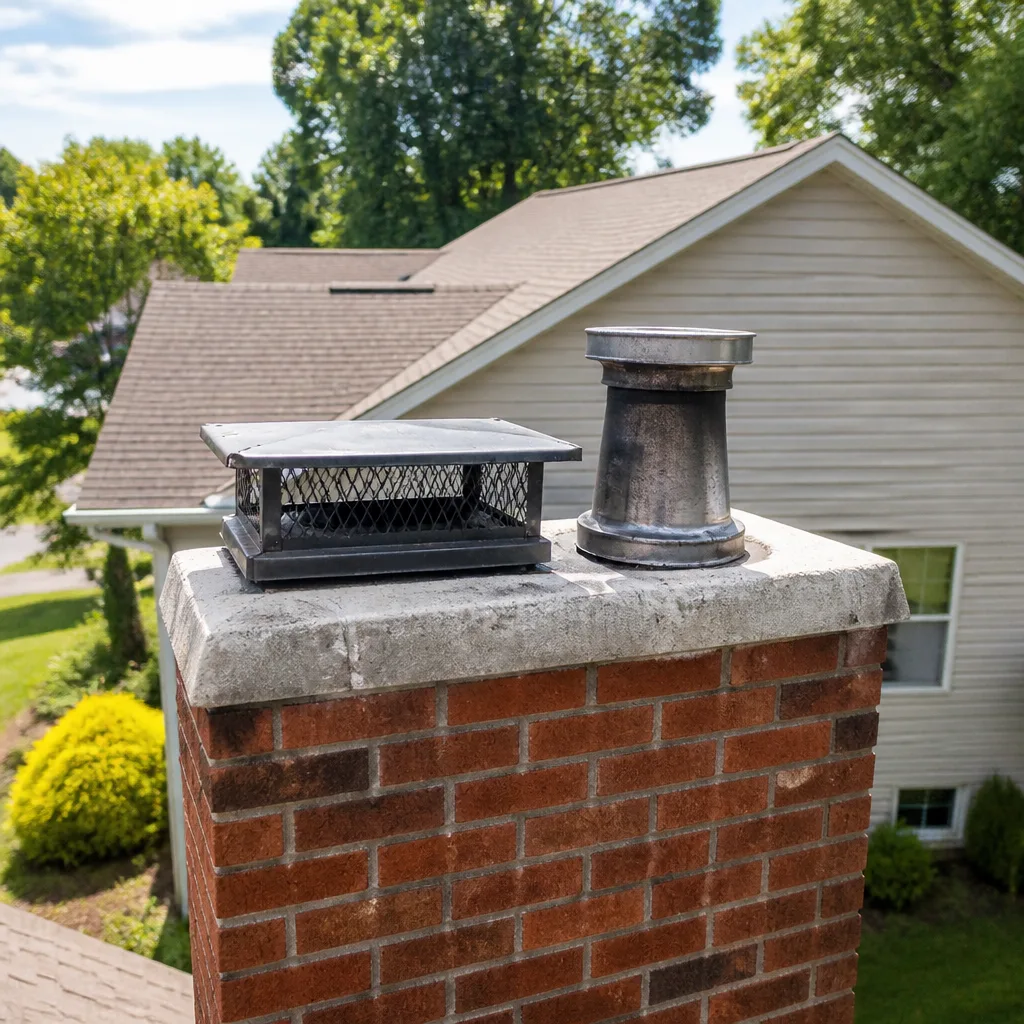 Sweep & inspection
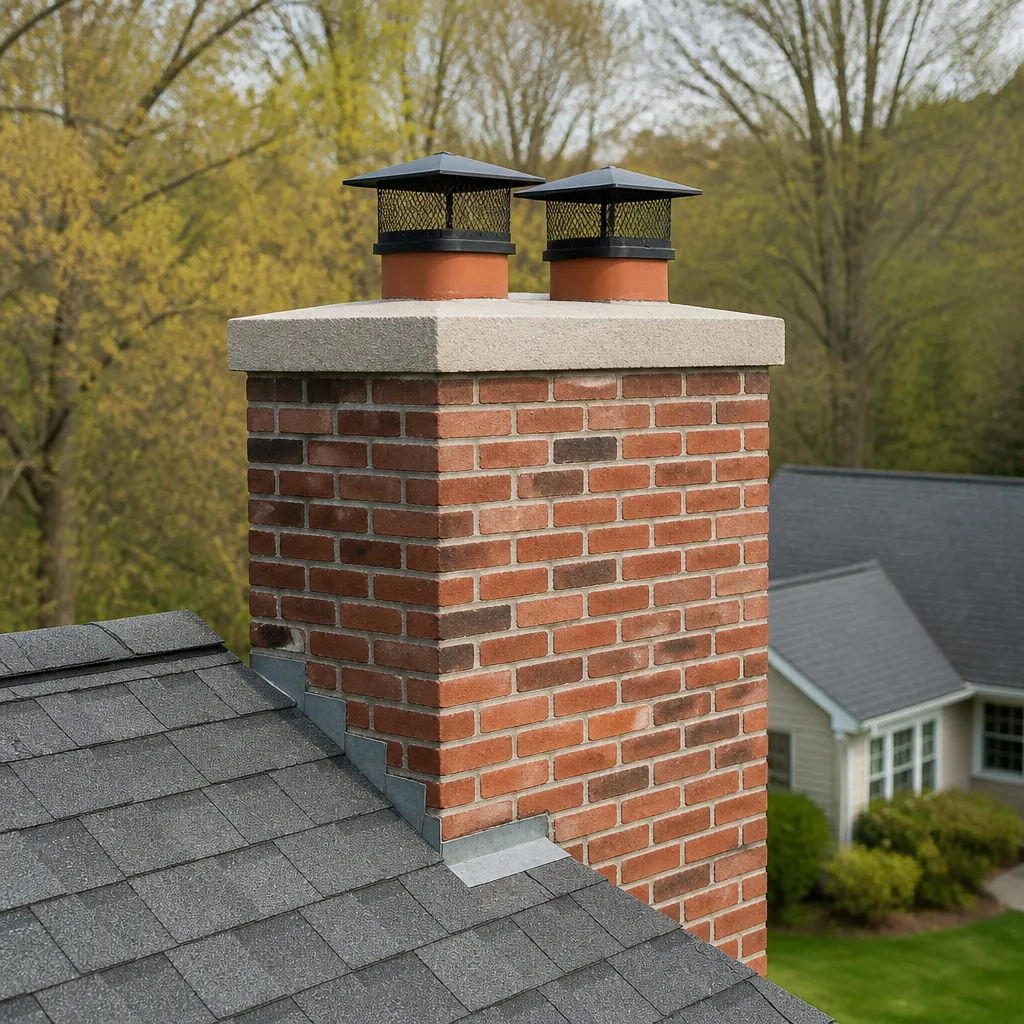 Caps & crowns
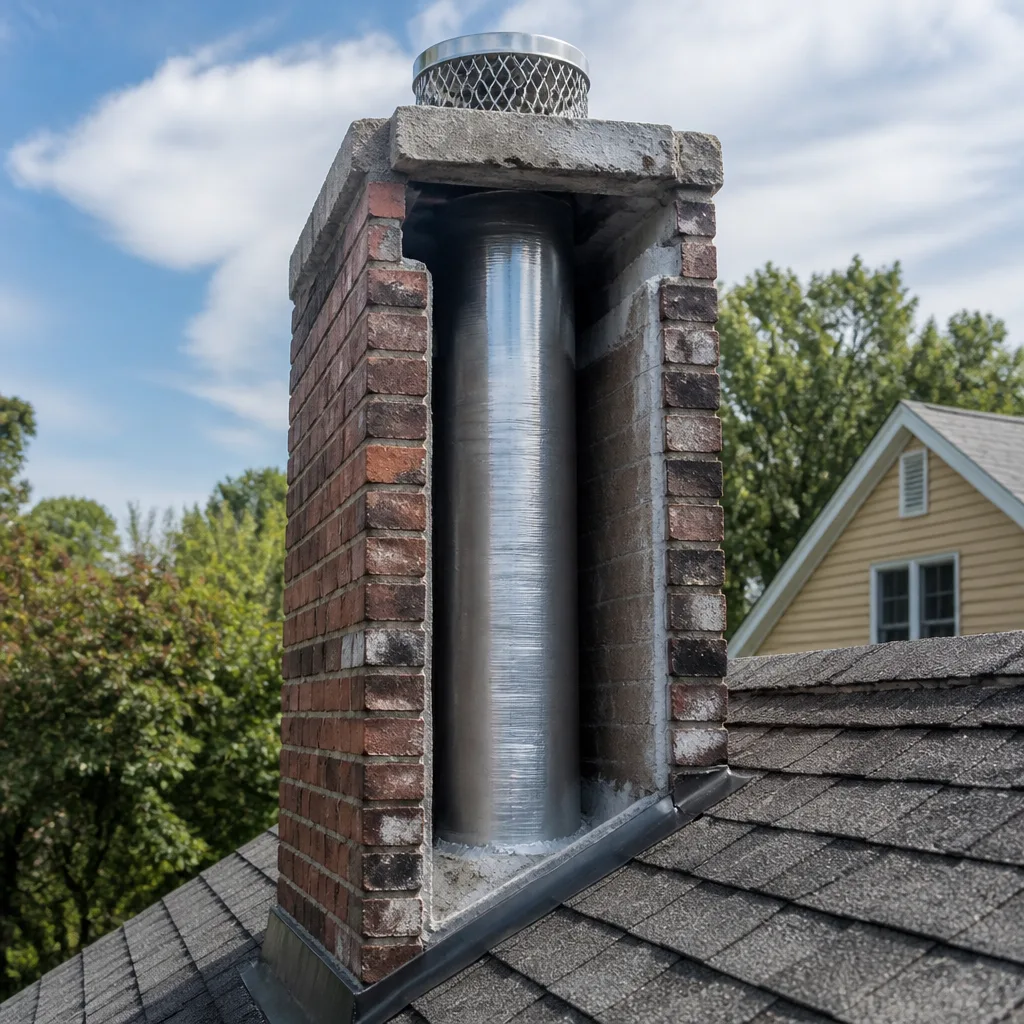 Flue relining
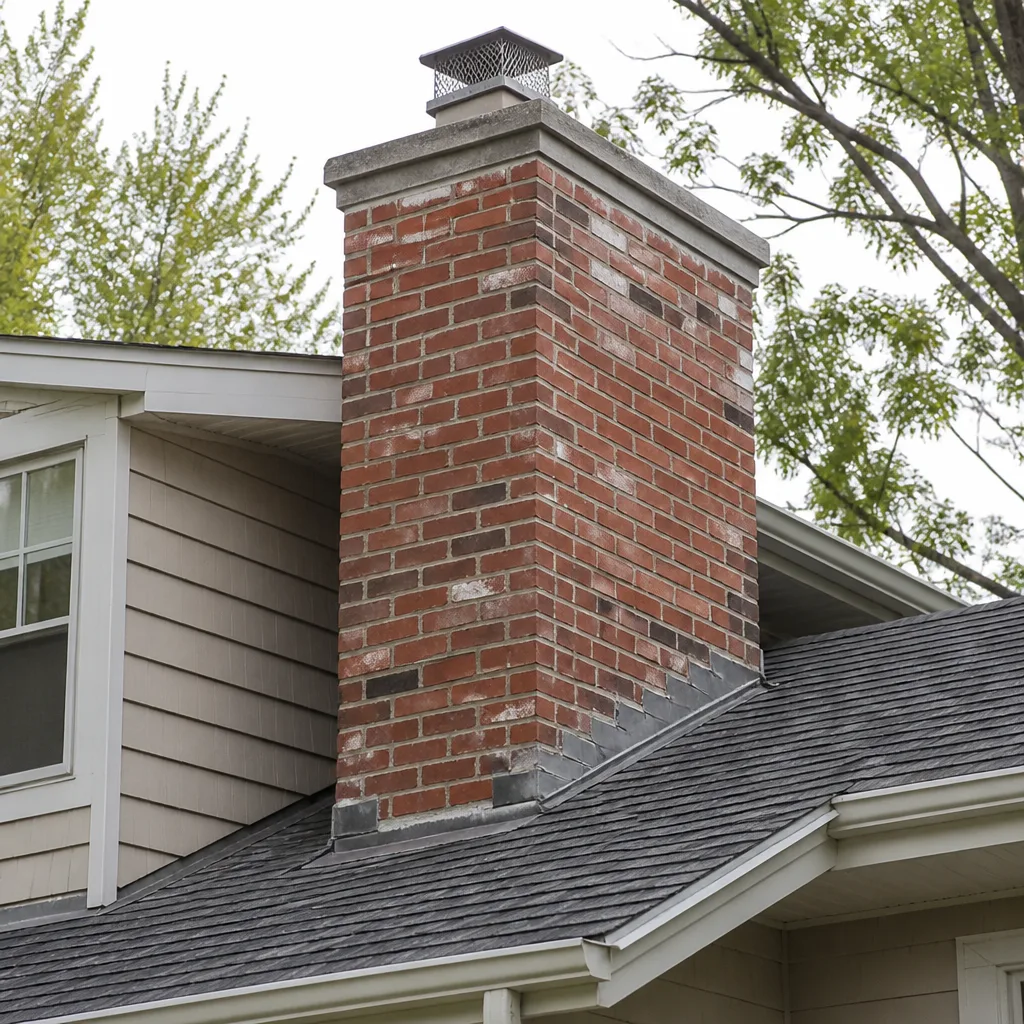 Masonry repair
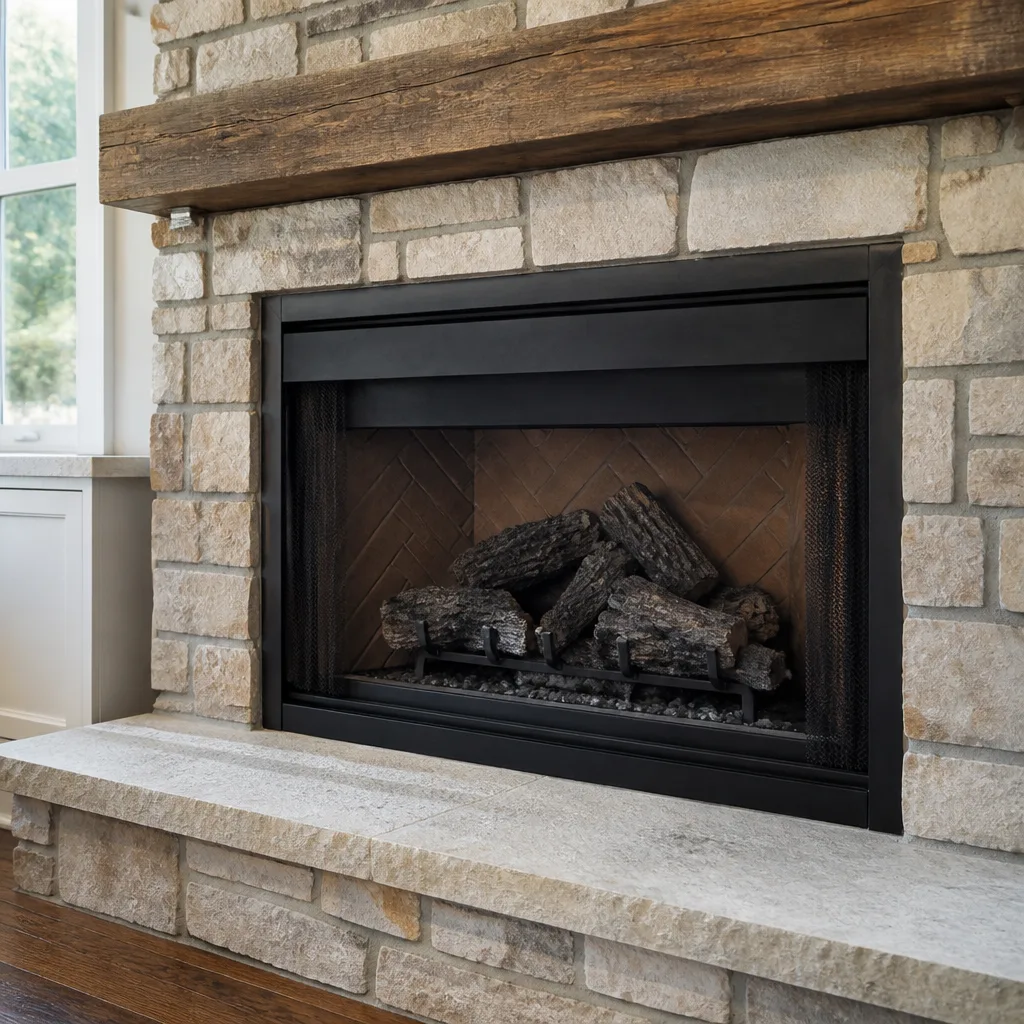 Gas fireplace service
Level 1 sweep and inspection to the NFPA 211 annual standard - flue, crown, cap, and flashing checked and photographed
Chimney sweep logs do not sweep chimneys. They loosen some creosote - which then falls where a brush and vacuum still have to collect it.
DIY vs Professional Chimney Cleaning: The Lexington Homeowner’s Decision Guide
You can buy the same brushes a chimney sweep uses. What you can’t buy is the ability to see what’s happening inside a flue liner, and that’s where the real problems hide. Most homeowners in Lexington assume the decision comes down to cost or convenience. It doesn’t. It comes down to scope: a brush on a rod clears one stage of creosote from one accessible section of flue, while a professional service evaluates the entire venting system from firebox to cap. This guide is honest about what you can realistically do yourself, what you can’t, and how to weigh the two for your specific fireplace, stove, or heating appliance.
Quick Answer
DIY chimney brushing removes loose soot and light stage-1 creosote from straight, accessible flues, and it can be reasonable for a low-use decorative fireplace that was recently inspected with no reported issues. It cannot assess liner condition, smoke chamber integrity, or firebox cracks, which is where chimney fires and carbon monoxide problems actually start. For most Lexington homes with regular wood-burning use, a professional inspection and sweep is the safer, and often the cheaper, choice over the long run.
Styles & brands we work with
- Sweep & inspection
- Caps & crowns
- Flue relining
- Masonry repair
- Gas fireplace service
Table of Contents
- What DIY Chimney Brushing Actually Accomplishes
- The Equipment Gap: A $40 Brush Kit vs a Camera That Sees the Whole Liner
- The Roof-Access Safety Calculus for Lexington Homes
- When DIY Is Genuinely Reasonable (and When It’s False Economy)
- What a Professional Documents That DIY Can’t
- What a Professional Chimney Sweep Actually Includes
- How Lexington’s Climate and Housing Shape the Decision
- The Real Cost Comparison Over Time
What DIY Chimney Brushing Actually Accomplishes
Creosote builds up in three distinct stages, and a homeowner with a brush kit can only meaningfully address the first. Stage 1 is the light, flaky soot that brushes off cleanly. Stage 2 is a denser, crusty deposit that a stiff brush may partially remove but often smears or leaves behind. Stage 3 is the glazed, tar-like layer that no hand tool will touch. When you brush your own chimney, you’re realistically clearing stage 1 from the accessible flue, which is real progress, not nothing. But it’s a fraction of the job.
What DIY brushing misses falls into four categories:
- Liner condition. A brush slides past cracks, gaps at joints, and liner sections that have separated or spalled. Those defects are invisible from the firebox and only show up on camera.
- Smoke chamber. The sloped transition between the firebox and the flue collects creosote in ways a straight flue brush never reaches. It’s also where the highest heat and worst turbulence occur, so deposits there are the most dangerous.
- Firebox integrity. Cracked firebrick and deteriorated mortar joints let heat and combustion gases reach framing materials. You can see some of this from inside the room, but not all of it.
- Cap and crown. A damaged crown or loose cap lets water in, which accelerates deterioration. These components aren’t visible from the firebox at all.
In our experience, a homeowner who brushes their chimney every year and feels good about it often hasn’t looked at the liner since the house was built. That’s not a knock on DIY effort. It’s a statement about what brushing physically does and does not evaluate. The sweep part is only one piece of Lexington Chimney Cleaning as a whole-house chimney safety service, and the inspection piece is the part that catches problems early.
The Equipment Gap: A $40 Brush Kit vs a Camera That Sees the Whole Liner
The consumer brush kit sold online or at a hardware store costs roughly the price of two oil changes. It typically includes a polypropylene brush head, a set of flexible fiberglass rods, and sometimes a shop-vac attachment. It works on a straight flue from the roof or from the firebox, and it does clear soot. What it cannot do is tell you what the flue looks like below the brush head, which is the entire diagnostic question.
Professional equipment closes that gap in three ways:
- A ChimScan or comparable video inspection camera travels the full length of the liner and records what it sees. The technician reviews the footage in real time and again when preparing the written report. A flue can look perfect from the top and have a separated liner joint 12 feet down where nobody can see by eye.
- Rotary sweeping tools are sized to the liner’s specific dimensions. A homeowner’s one-size brush is either too loose to clean well or too stiff for old clay tile. Professionals match the tool to the flue, and they use whip heads on flexible rods in ways a hand kit can’t replicate.
- A high-CFM vacuum with proper filtration keeps the house clean throughout the job. Consumer shop vacs catch maybe the coarsest dust and leave the fine soot to settle on every surface in the room. Creosote and soot particles are a respiratory concern, and they’re why professional sweeps treat dust control as a core part of the job, not an afterthought.
The real equipment gap isn’t the brush. It’s the camera. A homeowner can buy a rod-and-brush kit for around the cost of a tank of gas, but they can’t buy the diagnostic view that turns a sweep into a safety evaluation. That view is what separates a professional chimney sweep from a homeowner with a brush.
The Roof-Access Safety Calculus for Lexington Homes
Roof access is where a DIY decision stops being about ability and starts being about risk. Lexington’s housing stock includes a lot of two-story homes with moderately pitched asphalt shingle roofs, steeple-style chalets with pitches well above 8/12, and older homes where the chimney is one of the taller features on the skyline. Getting a brush to the top of a 25-foot exterior chimney from a 9/12 slope is not the same task as brushing a single-story flue from a flat roof.
Three factors drive the risk profile:
- Roof pitch. Anything above a moderate pitch makes standing, walking, and setting up equipment risky. A wet or moss-dampened shingle surface escalates the danger whether it’s cold outside or not.
- Story height. A single-story home with a short chimney is a manageable setup. Two or more stories means either a tall ground ladder or a roof stance that’s a lot less forgiving than it looks from the yard.
- Chimney location. A center-ridge chimney that’s easy to reach from a ridge line is a different job from one near the eave, where the roof edge is directly below.
We’ve seen what happens when homeowners underestimate this, and it’s the single biggest argument for calling a professional even when everything else about your situation looks DIY-friendly. Ladder falls from chimney height are among the most serious injuries in home maintenance, and the effort of climbing out there adds up. If your chimney requires a ladder or any roof edge work at all, treat it as a professional job.
The other side of safety, less dramatic but more consequential, is what a burned chimney does to the house. A glazed third-stage creosote deposit can ignite, and the fire stays inside the flue, which means the homeowner may not know it happened until an inspection finds it. Carbon monoxide from a partially blocked flue is equally invisible. These aren’t scare tactics. They’re the reasons the inspection step exists, and they’re why “it looks fine from the fireplace” isn’t a safety conclusion.
When DIY Is Genuinely Reasonable (and When It’s False Economy)
There is a genuinely reasonable DIY scenario, and it’s narrower than most homeowners assume. It looks like this:
- You have a decorative or low-use fireplace, meaning a handful of fires a season or fewer.
- The chimney and liner were professionally inspected recently, with a written report confirming no defects.
- You’re burning well-seasoned hardwood, not green wood or trash, so creosote accumulation is slow.
- The flue is straightforward: a straight vertical run, no significant offsets, easy access from the roof or firebox.
- You know what stage-1 creosote looks like and can distinguish it from the denser deposits that brushing won’t touch.
If you meet all five, brushing your own chimney between professional inspections isn’t reckless. It keeps soft soot from building up and doesn’t pretend to do more than it does.
Where DIY becomes false economy is in four scenarios:
- Regular wood use. A fireplace used a few times a week through a Lexington winter builds stage-2 creosote in a season or two. A brush kit won’t remove it, and the buildup compounds.
- A wood stove. Stoves run hotter with more complete combustion than open fireplaces, but the flue is also narrower, the creosote harder, and the soot more concentrated. Stove flues are a job for rotary tools and someone who can see the liner.
- A gas fireplace or insert. Gas appliances produce their own venting concerns, including condensation and debris from the vent termination. There’s no creosote to brush, but there’s still an inspection to do, and DIY brushing doesn’t apply.
- Any smell, smoke rollback, or draft problem. If the fireplace smokes into the room, smells like creosote when it’s off, or drafts poorly, the problem is almost never “the flue needs a brush.” It’s a sizing, geometry, or blockage issue that requires diagnosis.
Add in a concrete repair item, and the DIY math collapses further. Rebuilding a firebox, sealing a crown, or addressing a damaged liner section falls in the category of chimney repair, and none of that is homeowner work.
What a Professional Documents That DIY Can’t
This is the part of the decision most homeowners don’t think about until they’re selling the house. A professional sweep produces a written record: a condition report noting the liner type and condition, the level of creosote present, the firebox and smoke chamber condition, and the cap and crown status. Many services include photos or video captures of the liner interior. That documentation goes into a service file that follows the house.
What that file does at resale:
- It answers the buyer’s inspector’s question about chimney condition without a scramble late in the transaction.
- It shows a maintenance history that a home inspector will read as evidence the chimney has been cared for.
- It provides a baseline a future inspection can compare against, which is how small problems get caught before they’re expensive ones.
A homeowner with a brush creates no such record. When a buyer’s home inspector looks at an undocumented chimney, the conservative call is often “recommend a Level 2 inspection before closing,” which pushes the cost and the timeline onto the seller. The few hundred dollars saved on years of professional sweeps can turn into a four-figure negotiation credit at the wrong moment.
Documentation also matters for insurance. Some policies ask for evidence of maintenance after a chimney-related claim. A service record from a chimney-only specialist is worth more than a receipt for a brush kit.
What a Professional Chimney Sweep Actually Includes
A professional sweep is a sequence, not a single action. Here’s how a typical job runs, and what each step is doing for you:
- Setup and floor protection. Drop cloths, a sealed vacuum connection, and containment around the firebox so nothing from the flue ends up on the living room furniture.
- Firebox and damper inspection. Before any brushing, the technician checks firebox integrity, damper operation, and what’s immediately visible above the damper.
- Mechanical sweeping. The flue is swept with tools sized to the liner, working from the top down or bottom up depending on access. This clears stage 1 and as much stage 2 as tools can reach.
- Camera inspection. A video camera travels the flue to check liner joints, cracks, separations, and any offset areas the brush passed without seeing.
- Smoke chamber and cap check. The smoke chamber is evaluated for buildup and condition, and the cap, crown, and flashing are checked for damage or missing components.
- Written report and photos. The technician walks the homeowner through what was found, what needs attention now, what can safely wait, and what the recommended repair would be.
The professional-grade materials matter in step 6. When a repair is needed, the difference between a general handyman’s fix and a proper one often comes down to components. A HeatShield resurfacing system is only installed by trained applicators and is the standard for restoring a damaged liner without a full tear-out. DuraFlex stainless liners are the professional-grade solution when a liner must be replaced. Copperfield and Gelco components cover caps, dampers, and venting parts. These are the same materials certified chimney specialists use across the country, and they’re what a chimney-only company works with by default. A generalist pulling a brush out of a truck doesn’t have them.
How Lexington’s Climate and Housing Shape the Decision
Lexington sits in a humid continental climate with real winters and warm, muggy summers. That combination drives a specific chimney reality: heating season runs long enough that fireplaces and stoves see a lot of burn hours, and the shoulder months bring the temperature swings that cause creosote to condense and glaze inside the flue. A flue that stays cool between fires accumulates deposits faster than one that runs hot and steady. Add the humidity, and you get the moisture-driven deterioration of masonry and liners that shows up in older Lexington houses.
Lexington’s housing stock matters too. Neighborhoods like Chevy Chase and Ashland Park include a lot of older homes with original masonry chimneys and clay tile liners that were built before modern venting standards. Hamburg and Beaumont have newer construction with prefabricated metal fireplaces where the liner is a factory component and inspection is the only practical way to know its condition. The inner Bluegrass region’s mix of older brick and newer frame homes means there’s no single “typical” chimney in Lexington, which is another argument for a professional evaluation first, then a decision.
One more local factor: Lexington’s tree canopy. A lot of homes in mature neighborhoods have overhanging limbs, and while that’s not a creosote issue, it’s an animal and debris entry issue. A loose or missing cap lets birds, squirrels, and leaf litter into the flue. A professional inspection catches that; a brush from the top of the chimney may not.
If you’re in another part of the region, the same principles apply to Lexington and the surrounding area. What changes is the housing mix and the burn hours, not what a chimney sweep fundamentally does.
The Real Cost Comparison Over Time
DIY wins the first-year comparison. A brush kit and a ladder you already own cost less than a professional sweep. But the comparison that matters is over a decade, not a season, and it’s less about sweep pricing than about what gets caught and when.
- DIY-only path. Brush kits are cheap, but you’re relying on a visual inspection from the firebox and the rooftop. A liner crack or smoke chamber defect can go unnoticed for years, and the repair cost when it’s finally found can be many times the cost of annual sweeps.
- Professional-only path. An annual inspection and sweep is the recommended baseline for any fireplace in regular use. The cost is predictable, the documentation accumulates, and small issues get addressed before they become structural.
- The hybrid path. Professional inspection and sweep as the foundation, DIY touch-ups between visits if you’re confident, low-use, and recently cleared. This is the reasonable middle.
On repair timing, here’s the honest part: nothing gets recommended without camera evidence you can see for yourself. If the video shows a sound liner, the recommendation is a sweep and a check-back next year. If it shows a defect, the video shows you the defect, and you get to make an informed decision. That’s the opposite of the “you need a new liner” call with no proof behind it, which is the hesitation most homeowners actually have about calling a sweep. A good technician will also tell you plainly when work can safely wait.
Common Mistakes to Avoid
- Brushing a flue without inspecting it first. You can’t know what to brush or where to stop if you haven’t looked at the liner. The inspection comes before the sweep, always, professionally or not.
- Using a brush too large for the liner. An oversized brush can crack aged clay tile or dislodge liner sections. Match the tool to the flue, or let a technician do it.
- Climbing a wet or pitched roof. Lexington’s fall and winter weather makes shingle surfaces slick even when they look dry. Roof-edge work is a professional job for a reason.
- Skipping the smoke chamber. A brush down the flue leaves the smoke chamber untouched, and that’s the section that builds the most dangerous deposits. It takes angled tools and camera verification.
- Treating “no smoke in the room” as all clear. A clean draft says nothing about liner cracks or firebox integrity. Those don’t produce visible symptoms until they do.
- Hiring a general handyman for chimney work. Chimney repair involves specialized materials like HeatShield and DuraFlex that general contractors don’t install. Use a chimney-only specialist.
- Burning unseasoned wood to “save money.” Green wood deposits more creosote per fire, which accelerates the exact problem you’re trying to avoid. Use well-seasoned hardwood.
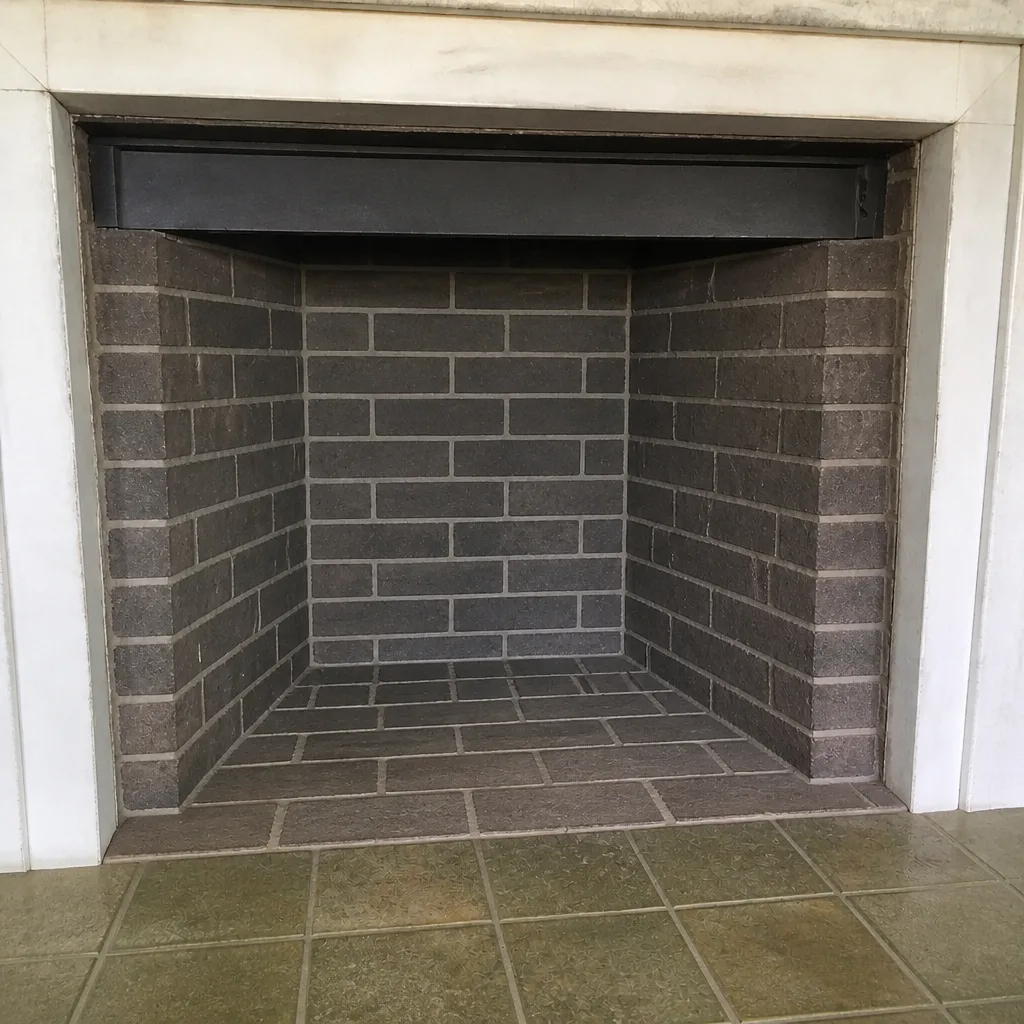
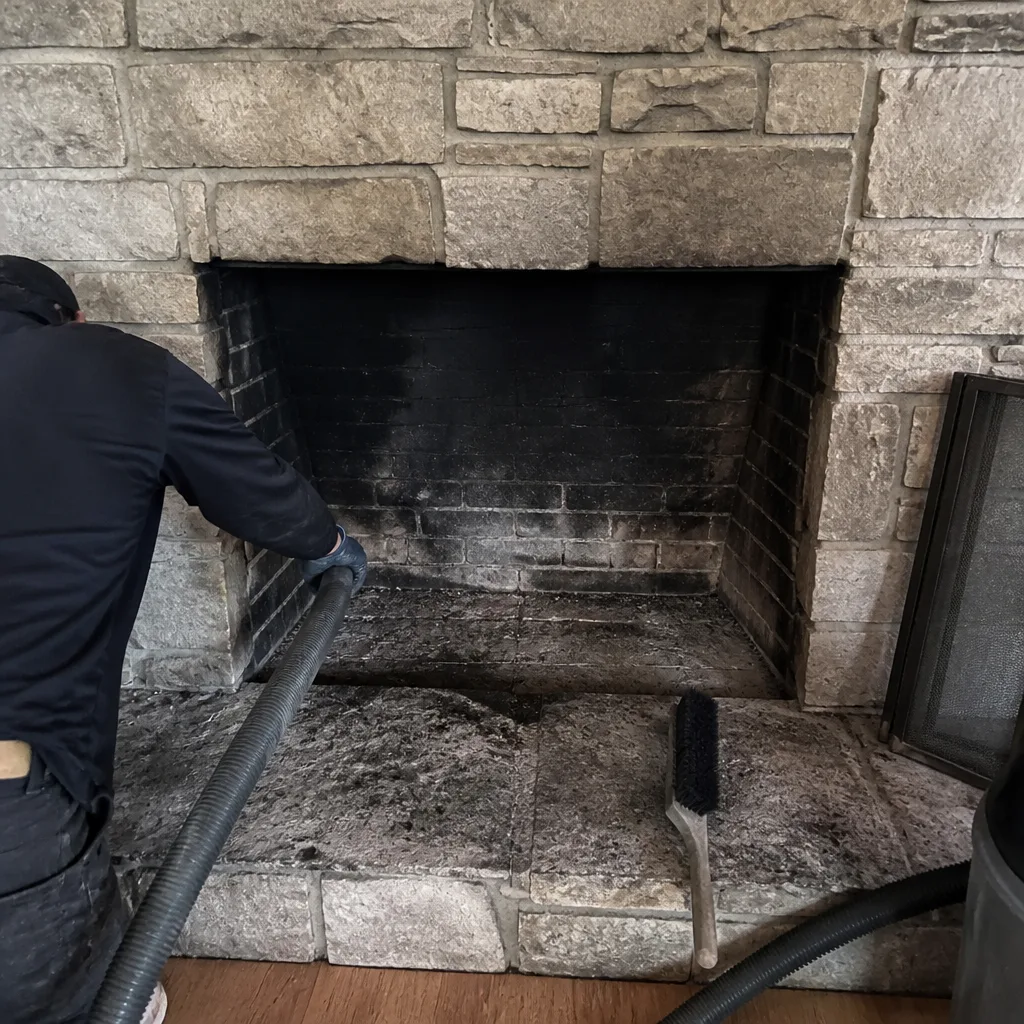
See the difference
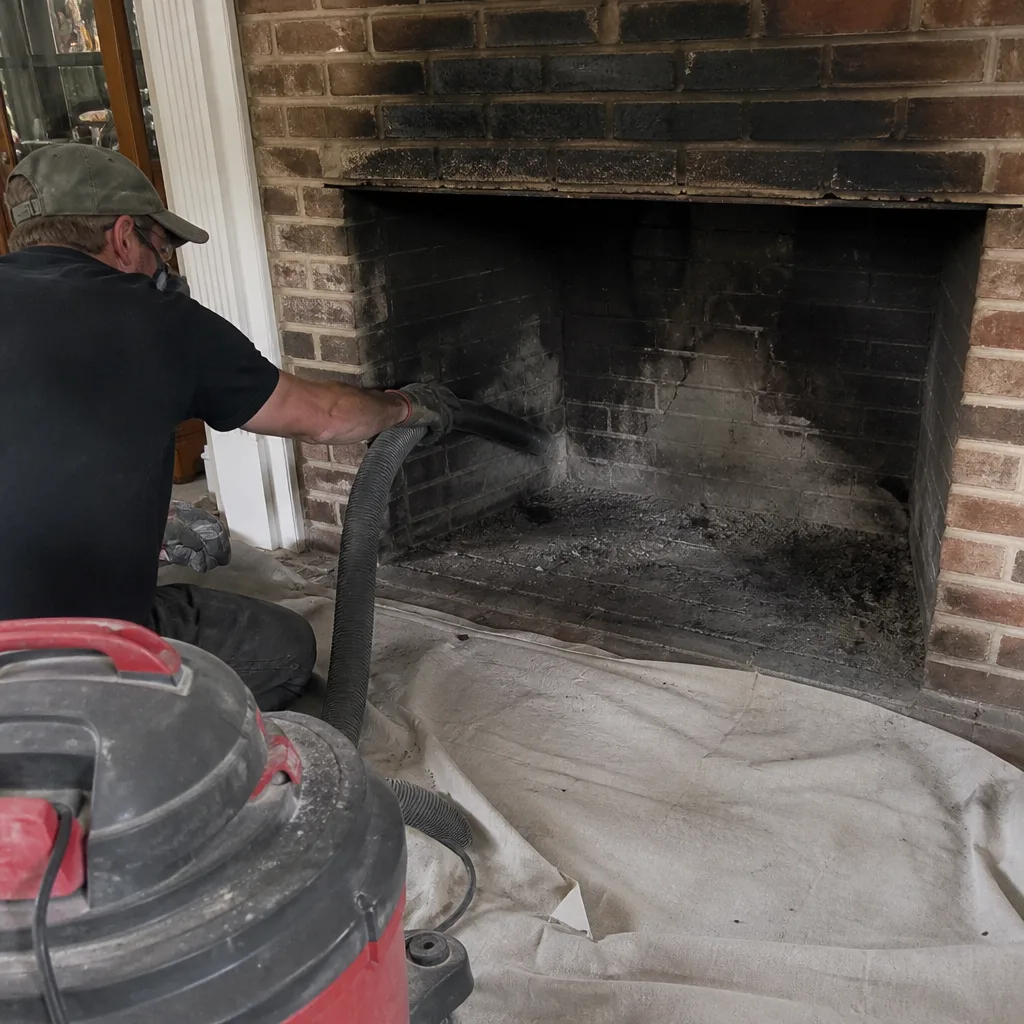 Before
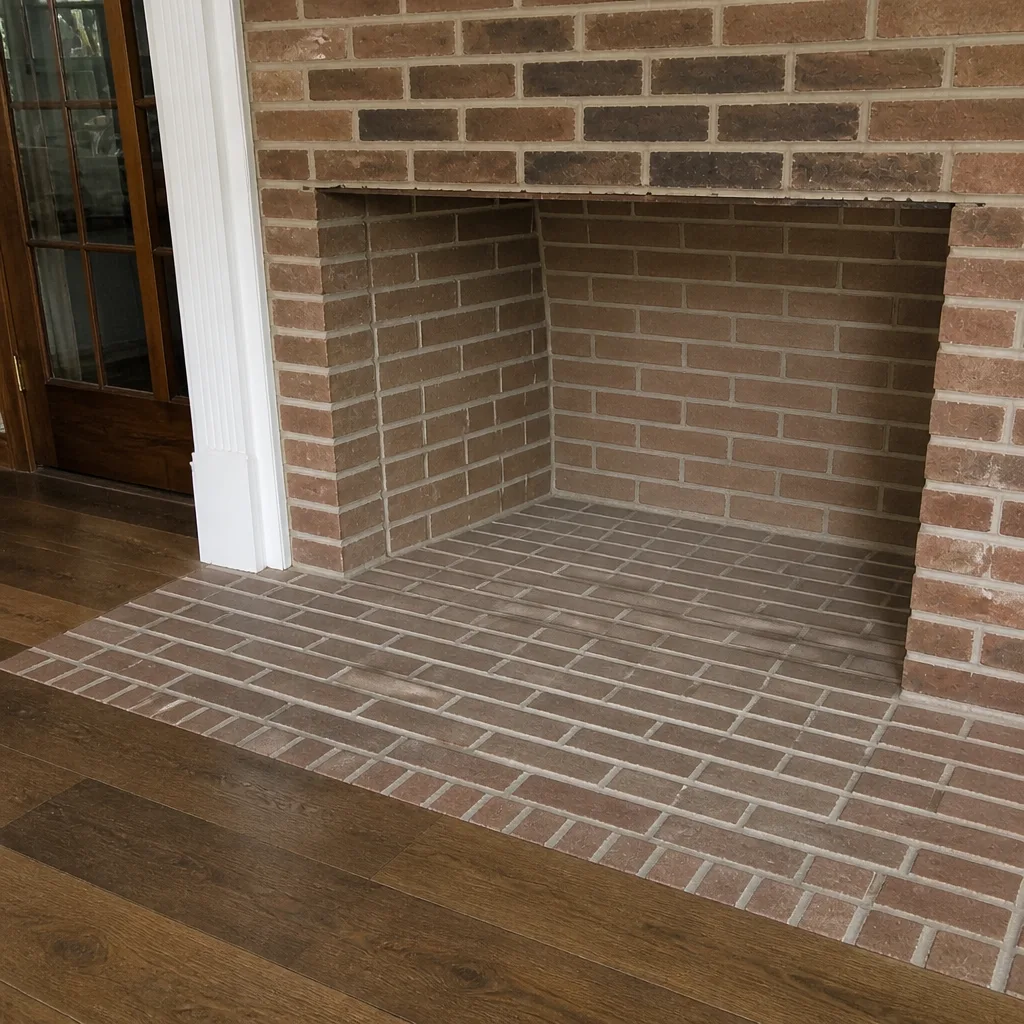 After
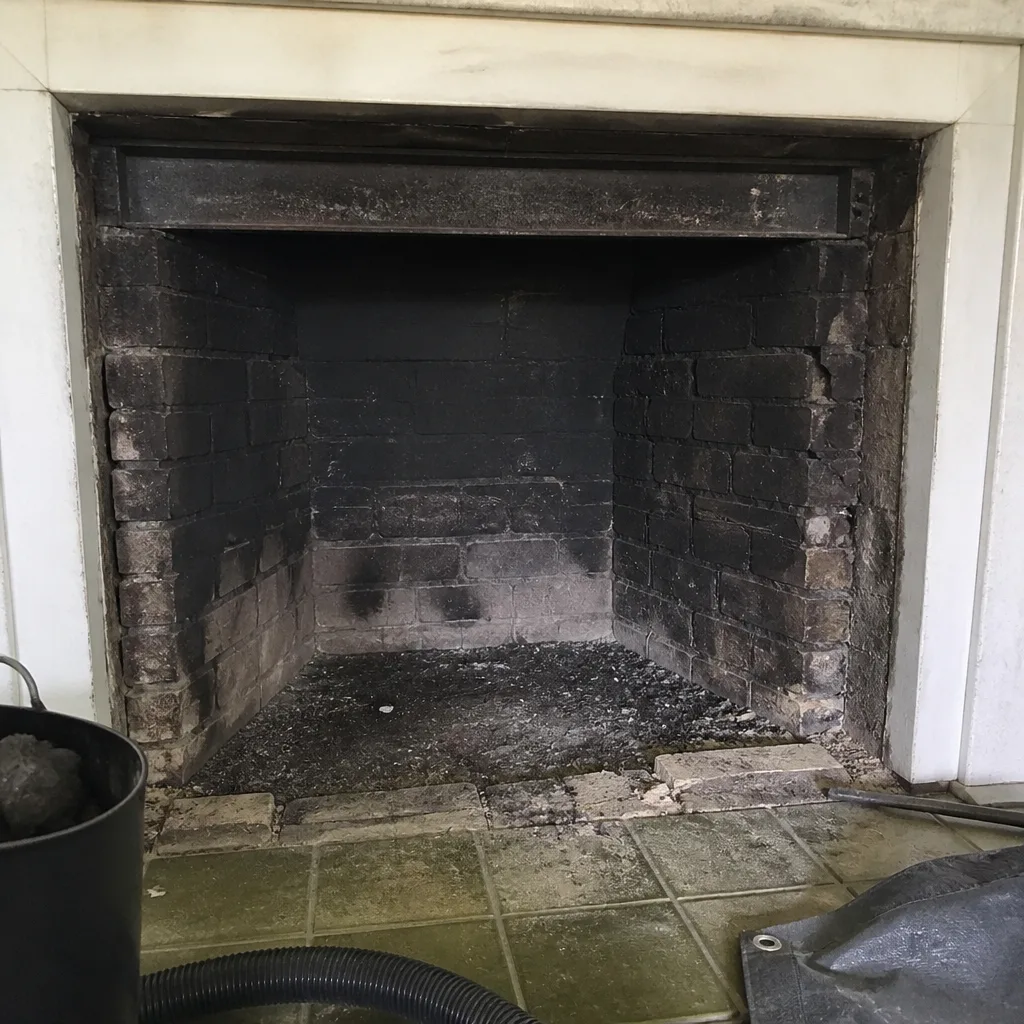 Before
 After
 Before
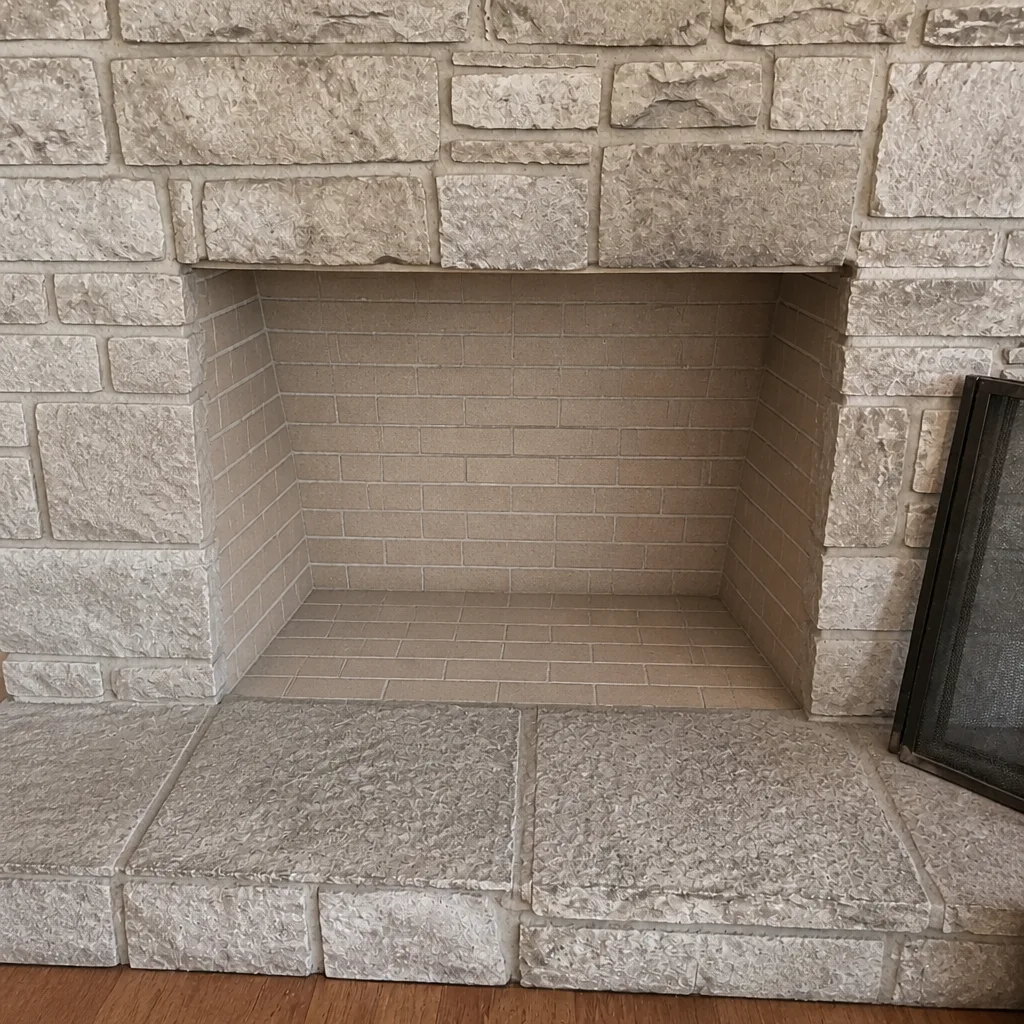 After
When to Call a Professional
Call a professional if any of the following applies: your chimney serves a wood stove, you burn more than a handful of fires a season, the fireplace smokes into the room or smells of creosote when not in use, you’ve moved into a house and don’t know the chimney’s history, the chimney needs roof access to reach, or you’re preparing to sell. Any one of those shifts the calculation toward professional help, and several of them can’t be evaluated any other way. Lexington Chimney Cleaning offers free written estimates in Lexington. Call (833) 946-8918. We answer 24/7. Fast dispatch from 7am to 7pm, Sunday through Friday. Our technicians have up to 12 years of experience, and we find it and fix it in one call, so you never need a second company if the sweep uncovers a problem.
Frequently Asked Questions
Yes, if your chimney was recently inspected by a professional with a clean report, your fireplace is low-use, and your flue is straightforward and accessible without a ladder. Brush away the soft soot, but treat a professional inspection as the thing that determines whether it’s safe, not the brushing itself. The brush clears deposits; the inspection finds defects. Call (833) 946-8918 if you want a written report first.
A professional sweep runs a video camera the full length of the liner, evaluates the smoke chamber and firebox, checks the cap and crown, and produces a written condition report with photos. A homeowner can buy a brush kit but not the inspection equipment that finds liner cracks, separated joints, and smoke chamber defects. That diagnostic view is the difference. Call (833) 946-8918 for a free estimate that includes the inspection scope.
Most chimney and fire safety organizations recommend an annual inspection for any fireplace in use, with a sweep when the inspection finds enough deposit to warrant it. In Lexington’s climate, a fireplace used regularly through the winter typically needs a sweep once a year. Low-use decorative fireplaces may need it less often, but the inspection should still happen annually. Call (833) 946-8918 to book the inspection.
Creosote builds up, and stage 2 and stage 3 deposits are the fuel for a chimney fire. Separately, a blocked or damaged flue can allow carbon monoxide to enter the home. Neither problem announces itself with obvious symptoms. Skipping maintenance doesn’t guarantee a fire, but it removes the check that catches the conditions leading to one. Call (833) 946-8918 for a written estimate and a camera look at the liner.
You need a new liner when the camera shows cracks, gaps, or deterioration that compromise the flue, and you should be shown that footage. If a technician recommends liner work without letting you see the evidence, ask for the video. Nothing should get recommended without camera proof you can review, and some findings can safely wait. Call (833) 946-8918 and ask for the documentation.
A handyman can push a brush, but chimney work is a single-trade specialty, and repair materials like HeatShield liner resurfacing and DuraFlex liner systems are installed only by trained chimney technicians. A generalist doesn’t carry the professional-grade components or the inspection camera. Use a chimney-only specialist. Call (833) 946-8918 for inspection, sweep, and repair from one company.
The Bottom Line
DIY chimney brushing removes soft soot from accessible flues and that’s the whole of it. It doesn’t evaluate the liner, smoke chamber, firebox, cap, or crown, and those are the components that decide whether your chimney is safe. For a low-use, recently inspected fireplace in a straightforward flue, brushing between professional visits is reasonable. For anything more, an annual professional inspection and sweep is the cheaper, safer, and better-documented choice, especially in Lexington’s older housing stock and long heating season. If you’re unsure where your chimney falls, get the inspection first, then decide. Call (833) 946-8918 for a free written estimate. We answer 24/7. Fast dispatch from 7am to 7pm, Sunday through Friday.
Written by the team at Lexington Chimney Cleaning.