
Last updated November 16, 2026
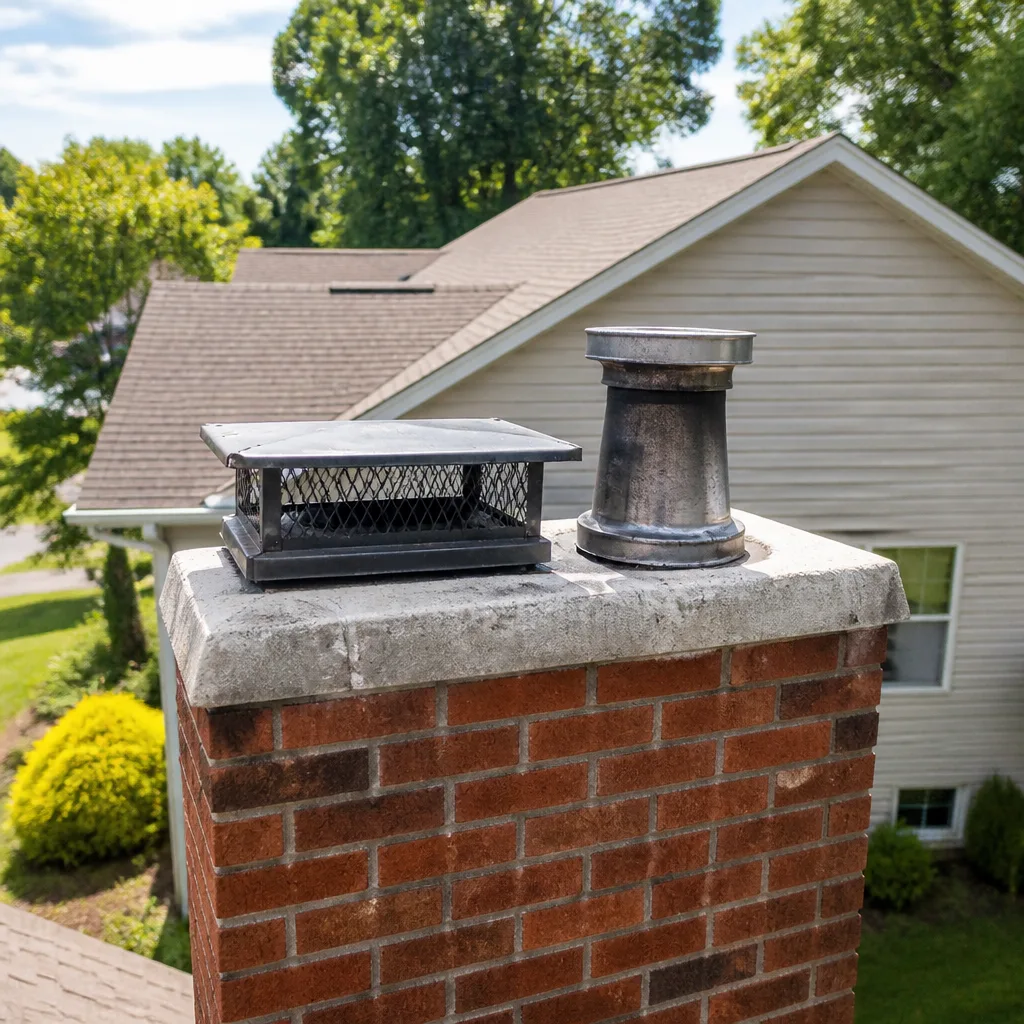 Sweep & inspection
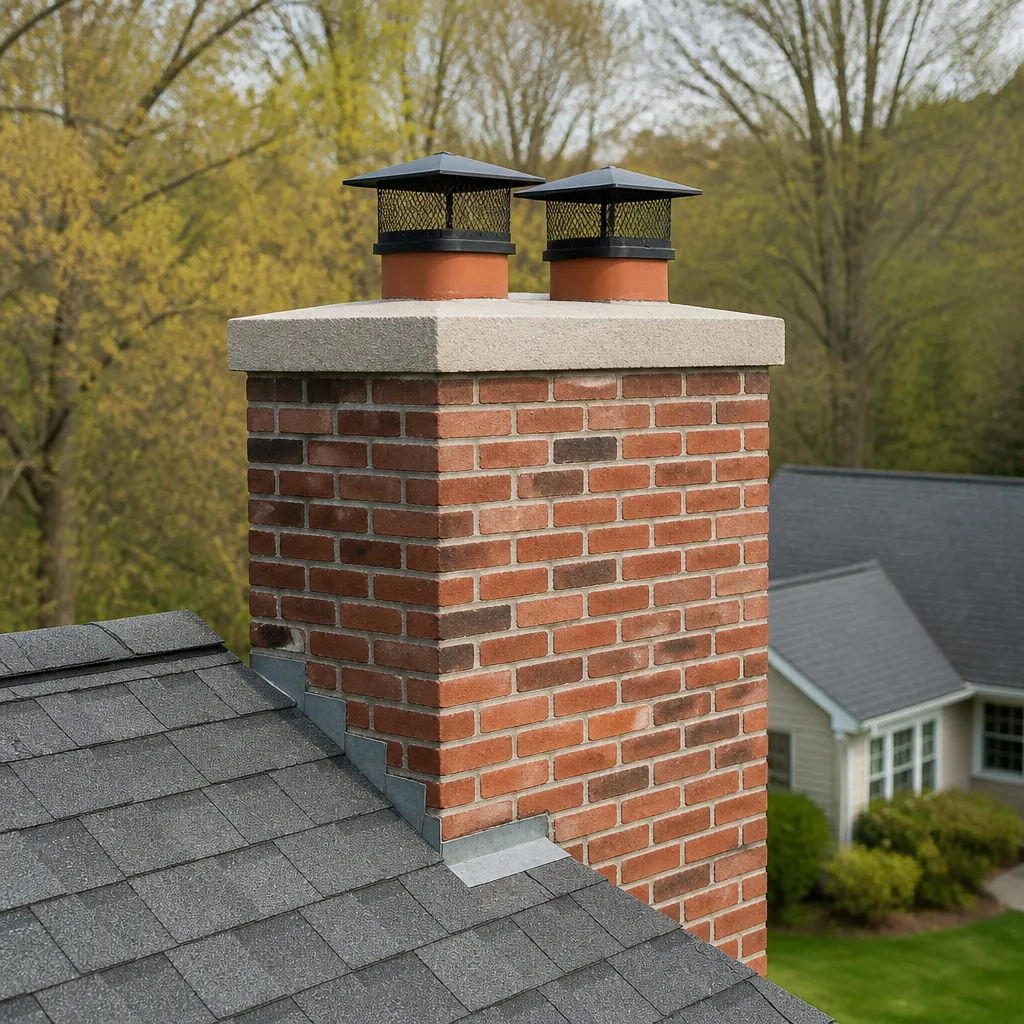 Caps & crowns
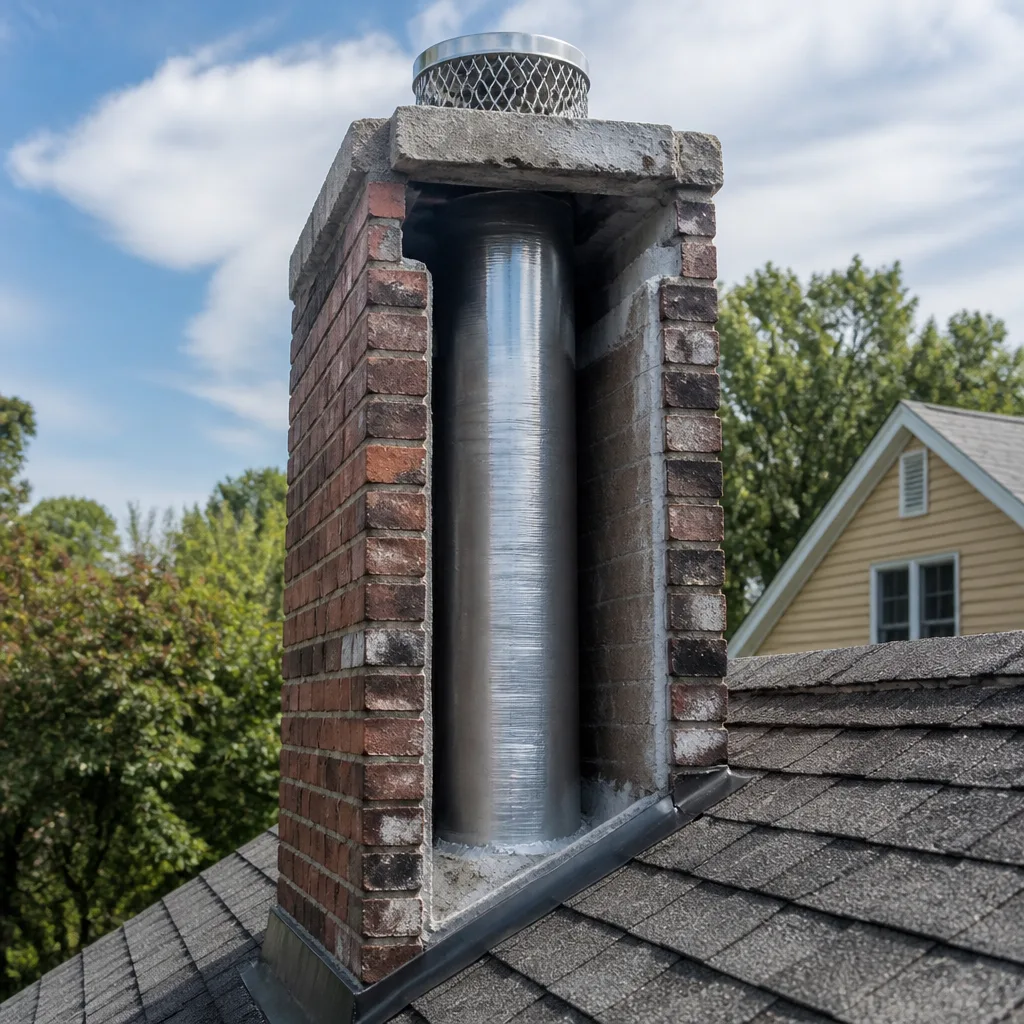 Flue relining
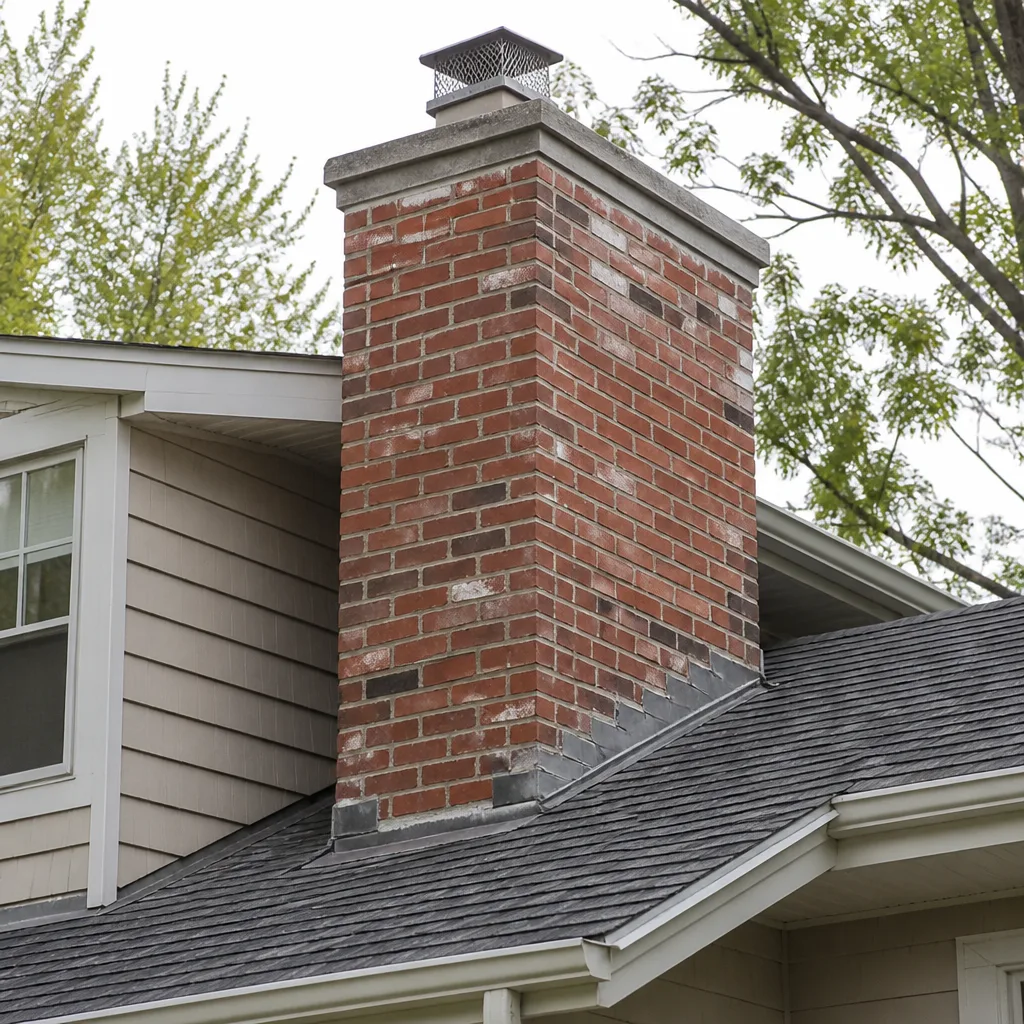 Masonry repair
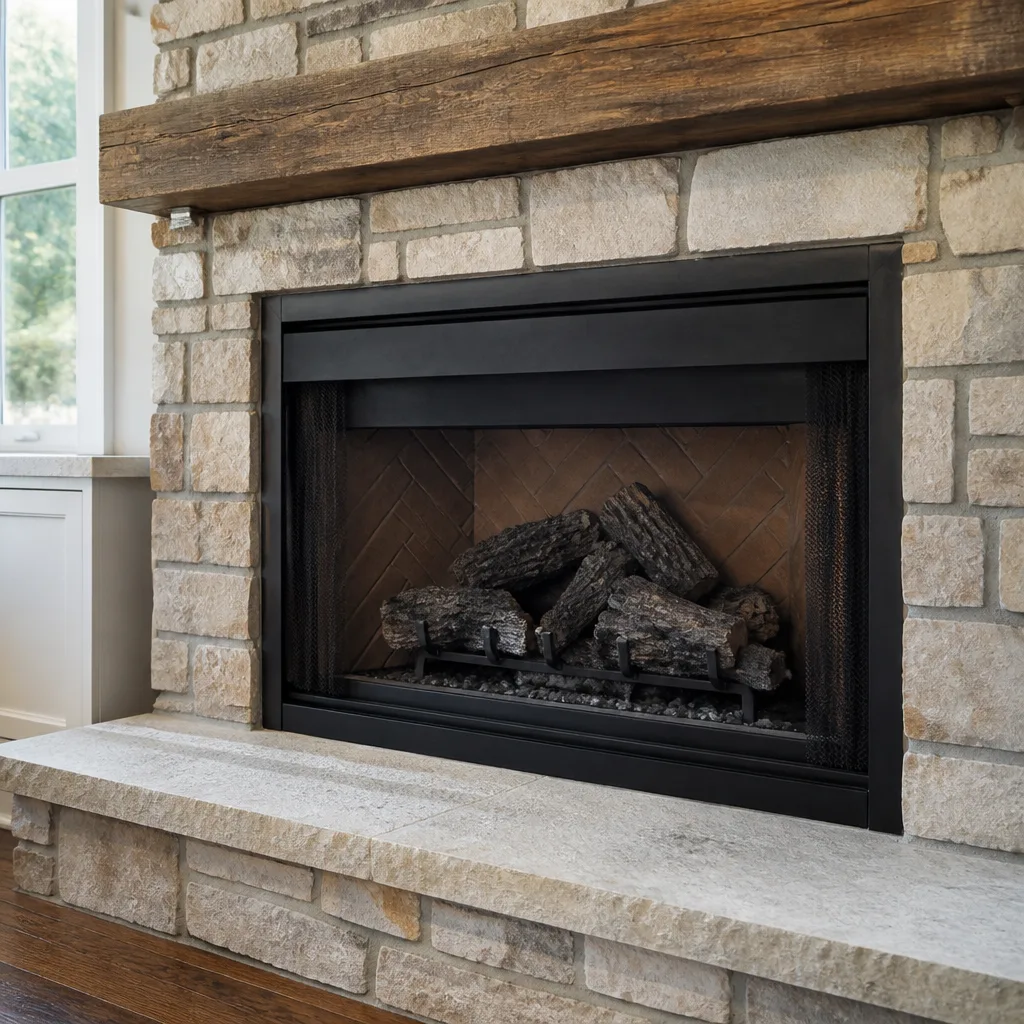 Gas fireplace service
Level 1 sweep and inspection to the NFPA 211 annual standard - flue, crown, cap, and flashing checked and photographed
Chimney sweep logs do not sweep chimneys. They loosen some creosote - which then falls where a brush and vacuum still have to collect it.
Choosing the Right Chimney Cleaning Brand: A Buyer’s Guide for Lexington
Most homeowners judge a chimney company by how the tech looks on arrival, not by what’s carried up the ladder. That’s the mistake. The brush, the liner coil, the sealer, the damper – each of those is a named product with a maker behind it, and the difference between a professional-grade material and a hardware-store substitute doesn’t show up in a week. It shows up two winters later, when the sealer on your masonry has trapped moisture instead of releasing it, or a consumer stiff-brush kit has scuffed a flue the installer can no longer resize. This guide names the brands that matter in Lexington chimney work, explains what each product actually does, and shows you how to ask a contractor what they use and read the answer. Read it before you book.
Quick Answer
The right chimney cleaning brand in Lexington is the one whose products match the specific job: professional-grade rotary brush systems and rods (Rutland, MagBrush) for the sweep, flex liner systems (Olympia Chimney, HeatFab, DuraFlex) when the flue needs a new liner, vapor-permeable sealers (ChimneySaver) for masonry waterproofing, and real cap and damper brands (Lyemance, Lock-Top, Gelco) for the top and throat. Ask what brands the contractor uses. A chimney specialist answers with product names. A generalist answers with a shrug or a hardware-store reference.
Styles & brands we work with
- Sweep & inspection
- Caps & crowns
- Flue relining
- Masonry repair
- Gas fireplace service
Table of Contents
- Why Chimney Brands Matter More Than You’d Think
- Brush and Rod Systems: Professional vs Consumer Kits
- Liner Systems and What Fits Your Appliance
- Waterproofing and Masonry Sealers: The Vapor Question
- Caps and Dampers: Why Brand Matters at the Top
- How to Ask a Contractor What Brands They Use
- What Lexington Chimneys Actually See
- Common Mistakes to Avoid
Why Chimney Brands Matter More Than You’d Think
A chimney is not a passive hole in the roof. It’s a working appliance face – masonry, metal, a flue that heats and cools hundreds of times a season. Every product applied to that assembly either respects the way it moves and breathes, or fights it. Cheap and wrong products win the fight against your building, and your chimney loses.
Consider a single example. When a chimney company applies waterproofing to brick, the product choice is the entire job. ChimneySaver, a vapor-permeable sealer, is designed to shed liquid water off the outside while allowing water vapor inside the masonry to escape. A hardware-store paint-on waterproofer often does the opposite: it seals the surface tight. Sealed-tight brick traps moisture inside, and that moisture wants out. It finds the weakest path – a hairline crack, a mortar joint, a spalled face – and pushes. Over a few seasons, the trapped moisture turns a cosmetic seep into masonry damage.
That’s the pattern with almost every product in the trade. Stiffness rating on a brush determines whether it scrubs soot or grinds flue tile. Diameter accuracy determines whether the brush actually touches the four corners of a flue. Liner grade determines whether the appliance vents correctly at the top of the chimney. In our experience, the contractor’s brand list is a direct readout of how deliberately they work.
Lexington homeowners have fireplaces and wood stoves across a wide range of housing – older masonry construction in neighborhoods like Chevy Chase and Ashland Park, newer builds farther out, gas inserts in a lot of remodels. Each situation calls for different materials. There’s no universal “chimney kit” that handles them all properly, which is exactly why the brand question carries weight.
Brush and Rod Systems: Professional vs Consumer Kits
The sweep is the part of the job people think they can do themselves. A brush on a pole, a trip up the flue, done. What that view misses is that a proper chimney brush is a precision tool, and the consumer versions sold to homeowners rarely hit the tolerances required for effective cleaning.
Two things matter most on a brush: stiffness rating and diameter accuracy.
- Stiffness rating – Professional brushes like the Rutland and MagBrush lines are rated by stiffness so the technician can match the brush to the flue. A stiff brush is right for soot on heavy masonry. A softer poly brush is right for stainless liners and less durable surfaces. Using a stiff brush on a light-duty flue grinds the tile surface and shortens the liner’s life.
- Diameter accuracy – A brush must touch all four walls of the flue to actually clean it. A brush a half-inch small is “sweeping” but leaving soot behind on the corners. Round brushes fit square flues poorly, and vice versa. Professional-grade systems come in sized diameters and shapes so the technician can choose correctly rather than making do.
The rods matter for the same reason. Professional rods flex under the load of the brush and stay stiff enough to reach the top of a tall flue. Consumer kits often come with rods that bend under their own weight. Then there’s the drill-attached rotary option – useful on heavy soot, but only when the technician knows the flue and trusts the brush. The equipment is safe when used with judgment and risky when used without it.
In Lexington, flue sizes vary a lot from home to home, and a contractor who carries one brush and one rod length for every job will not clean every flue the same way. When you ask about brushes, the answer you want is specific: “we bring poly brushes in these diameters for clay flues and these for stainless liners.” Anything vaguer is a sign the equipment is improvised.
Liner Systems and What Fits Your Appliance
A liner is the pipe inside the chimney that carries combustion gases up and out. When the original liner is compromised – cracked tile, an unlined flue, a fireplace insert installed without proper venting – a professional-grade replacement liner is what makes the system safe. The brand determines the grade of the material and the reliability of the venting.
Flex liner systems come in different grades, and the right one depends on the appliance burning inside the fireplace.
- Wood-burning fireplaces and wood stoves – Venting a wood appliance usually calls for a heavier-grade flexible stainless liner, since wood flues handle the widest swings in temperature and moisture. Olympia Chimney and HeatFab both make flexible liner systems across grades designed for these conditions.
- Gas fireplaces and inserts – Gas appliances vent cooler and produce acidic moisture that eats a cheap liner quickly. A liner sized for the appliance and rated for the flue gas is the only safe choice.
- Oil and pellet appliances – Again, grade matters. The liner has to be rated for the temperatures and flue chemistry of the fuel. A generic liner used for the wrong appliance is a problem waiting to happen.
DuraFlex liner systems come up in this conversation a lot because they’re specified by certified chimney specialists for the work they’re built for, not for cost. When our team installs a DuraFlex liner during a chimney repair, it’s because the system was designed for that flue’s conditions, not because it was on sale. General contractors working on fireplace calls often don’t know the appliance-to-liner matching rules. They’ll pick a liner close to the right size and hope. That’s not a professional installation.
One more thing worth knowing: a liner running inside an existing masonry chimney changes the interior diameter, and the appliance needs the correct size at the top of the flue to vent properly. A wrong-sized liner looks fine from the hearth and can create drafting or draft-failure problems you’ll notice the first cold night. The size match matters at least as much as the brand, and you can’t evaluate one without the other.
Waterproofing and Masonry Sealers: The Vapor Question
Sealing brick sounds straightforward until you learn that “sealed” can mean two different things. A vapor-permeable sealer lets moisture escape while blocking liquid water from entering. A non-permeable sealer blocks everything – including the vapor already moving through the chimney. One protects the chimney. The other quietly traps moisture inside, which is the condition most water damage starts from.
ChimneySaver is the professional standard in this category because it’s built to be vapor-permeable. It goes on masonry and neutralizes the surface chemistry so water beads off the outside, but the chimney can still breathe. It’s what certified specialists reach for. Hardware-store “waterproofer” products often are not vapor-permeable, and once they’re on, they’re not coming off. Stripping a non-permeable sealer from a chimney is far harder than applying it was.
What happens when a non-permeable product goes on? The chimney doesn’t fail open. It fails by degrees. Moisture trapped inside the masonry freezes in a cold snap and expands, pushing the face off the brick. Spalling, efflorescence, mortar crumbling in the joints – all classic symptoms of a chimney that can’t breathe. It can take more than one winter to show, which is why the causal link is often lost by the time the homeowner calls.
The question to ask a contractor isn’t “do you waterproof?” It’s “what product, and is it vapor-permeable?” The right answer names ChimneySaver or an equivalent professional-grade sealer. The wrong answer is “we use a waterproofer from the hardware store” or no product name at all. On Lexington chimneys, where freeze-and-thaw cycles through a Kentucky winter can stress masonry hard, that distinction is real – not hypothetical.
Caps and Dampers: Why Brand Matters at the Top
The cap and the damper are the parts of the chimney homeowners never see, and they’re the ones doing most of the year-round work. A chimney cap keeps rain, animals, and debris out of the flue. A damper keeps conditioned air from escaping up the flue when the fireplace isn’t in use. Both are easy to install badly with generic hardware.
How a top-mount damper differs from a cheap replacement:
- Seal and mounting – A proper top-mount damper from a maker like Lyemance or Lock-Top seals flush at the crown and withstands wind load. A cheap substitute often relies on a gasket that fails after the first season, and then you’re heating the neighborhood.
- Operating mechanism – Throat dampers from makers like Gelco are designed to sit inside the fireplace opening and swing on a sturdy cable or handle. Cheap replacements use thin linkages that corrode or snap.
- Material grade – Stainless caps from brands like Famco are designed for decades of weather. Generic galvanized caps rust through in a few years and start failing at the seams.
- Proper sizing – A cap that’s slightly smaller than the flue top isn’t a cap. It’s a leak path. Professional-grade brands make a full range of sizes; hardware-store caps come in a few one-size-fits-most options that “fit” in the loosest sense.
When our team selects a cap or damper during an inspection, we’re matching the product to the flue diameter, the existing crown, and how the fireplace operates. That’s the professional-grade selection that protects long-term fireplace performance. A hardware-store cap may technically fit. The question is whether it protects the flue for the next fifteen winters or leaks at the first ice-thaw cycle.
How to Ask a Contractor What Brands They Use
This is the cheapest evaluation tool you have. Any chimney company can say “yes, we use professional products.” The answer that actually tells you something is a brand list. Here’s the sequence to run before booking in Lexington.
- Ask which specific brush and rod system they carry. “Rutland” or “MagBrush” is a real answer. A blank or a hand-wave is a warning.
- Ask which liners they install and for which appliances. Olympia Chimney or DuraFlex, properly matched to wood or gas, is the right kind of answer. “Whichever’s available” is not.
- Ask what sealer they use on masonry. ChimneySaver or an equivalent vapor-permeable professional-grade sealer is what you want to hear. Anything else should prompt you to ask about permeability.
- Ask which cap and damper brands they install. Lyemance, Lock-Top, Gelco, or Famco placed in the context of crown size and flue dimensions. A brand name without a discussion of fit is a red flag.
- Ask who applies the HeatShield liner resurfacing when they recommend it. HeatShield is only installed by trained applicators. If the answer is “the roofer can do it”, keep calling.
What you’re listening for is whether the answer is fluent and specific or hesitant and vague. A Lexington Chimney Cleaning technician can name a brand for every product on your chimney because we work with those brands every week. A generalist working from a hardware store run can usually name the store, not the product.
The same question applies to the type of company itself. Is the person on the other end of the phone a chimney specialist or a roofer and HVAC tech moonlighting on fireplace calls? The brand fluency is the earliest signal. It’s the subject of our own chimney sweep intake conversation – not because we want to lecture, but because the follow-up work depends on it.
What Lexington Chimneys Actually See
Lexington’s climate is a real factor in how these products perform. Kentucky winters swing between freezing nights and milder days, which means any moisture in the masonry has a chance to freeze, expand, and thaw, then freeze again. Chimneys in the city see more of those cycles than homeowners farther south. That makes vapor-permeable sealing more than a nicety – it’s the difference between a chimney recovering on its own between seasons and a chimney that spalls a little more each year.
Wood smoke from fireplaces and wood stoves leaves creosote and soot that clay flue tiles can accumulate quickly during heavy burning months. A properly sized poly or stiff brush is what actually removes it. A brush that’s a size off is doing cosmetic cleaning, not maintenance. In older Lexington homes – the kind with masonry chimneys from earlier building decades – the flue corners are exactly where a round brush leaves soot behind.
Housing stock varies, and so do the appliances. Some homes burn wood. Some have gas inserts that were added during a remodel. Some have freestanding wood stoves connected to a masonry chimney. Each setup changes which liner grade, damper, and cap make sense. A contractor working from one set of products leaves the rest of the homes under-served or over-served. That’s why we work across the professional chimney brands – not to be the cheapest option on any given product, but to match the right product to the right flue in the right home. If you own a chimney in Lexington and you’re about to book a sweep, the brand question is the one to ask before the contract is signed. You can also read more about what we cover on our Lexington page.
Common Mistakes to Avoid
- Not asking about brands at all. If you don’t ask, you’ll never know what’s going onto your chimney. Most homeowners skip this step and only learn what was used when a failure surfaces later. Ask the question on the phone before the appointment is booked.
- Assuming “waterproofing” is one product. A non-permeable sealer on Lexington masonry is worse than no sealer, because it traps the moisture the chimney needs to release. Confirm the product is vapor-permeable, specifically ChimneySaver or a professional-grade equivalent.
- Letting a general contractor install a liner. Liner grade, size, and appliance matching are chimney-specific decisions. A roofer or HVAC technician installing a liner is choosing a product without the training to evaluate it, and the failure shows up in how the fireplace draws.
- Buying a “one-size” cap at the hardware store. A cap that doesn’t match the flue top creates a leak path or a tight fit that deforms in the first storm. Professional cap brands (Lyemance, Lock-Top, Famco) exist because a properly sized cap is not a universal product.
- Trusting a HeatShield recommendation without checking the applicator. HeatShield is a specialized liner resurfacing system installed only by trained applicators. If a contractor recommends it without that training, the recommendation is more ambitious than the credentials behind it.
- Skipping the brand question after a sweep uncovers a problem. The moment a technician finds cracked tile or a failing liner is the moment the product conversation matters most, because that’s when the repair is being specified. “We’ll put in a liner” is not a spec.
- Assuming a chimney-only company uses premium brands automatically. Chimney-only focus usually correlates with professional-grade product fluency, but check. Ask the questions. The right answer takes ten seconds to give and tells you a lot about the operation.
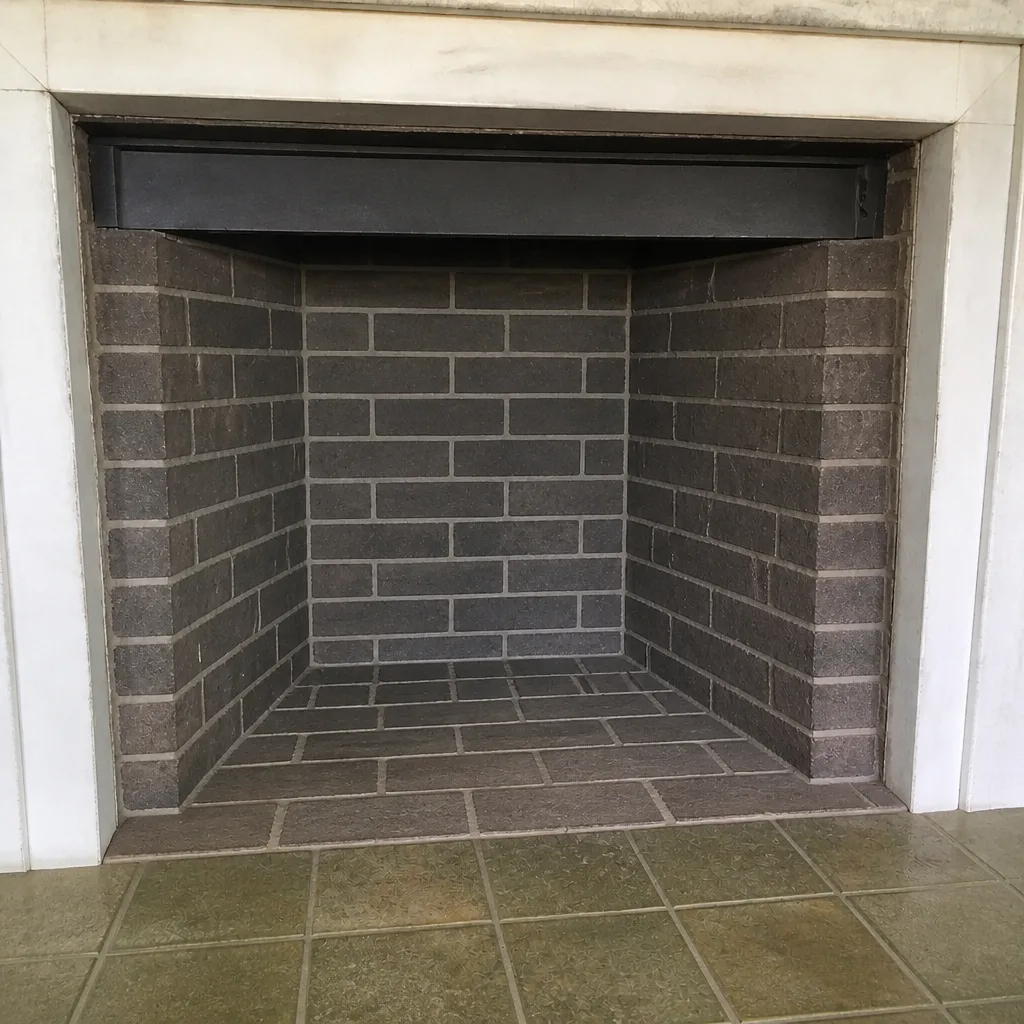
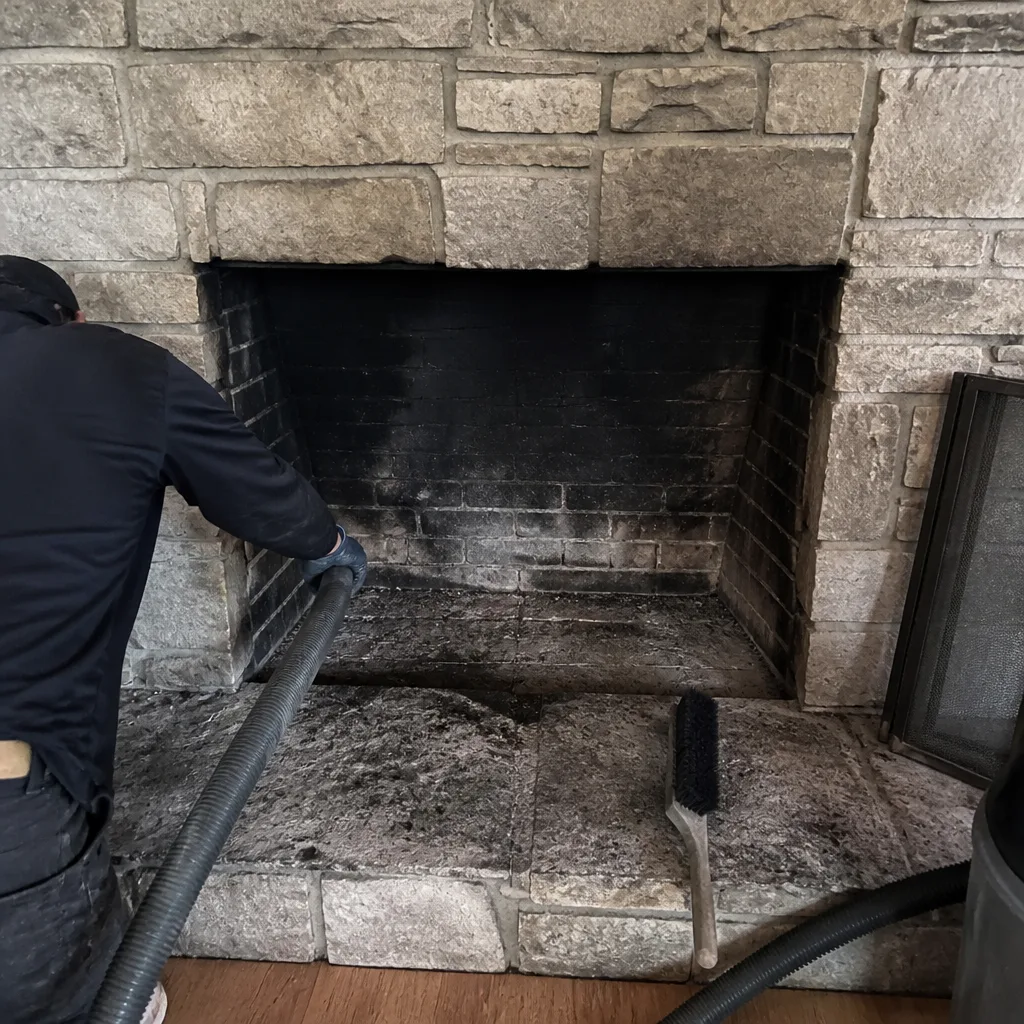
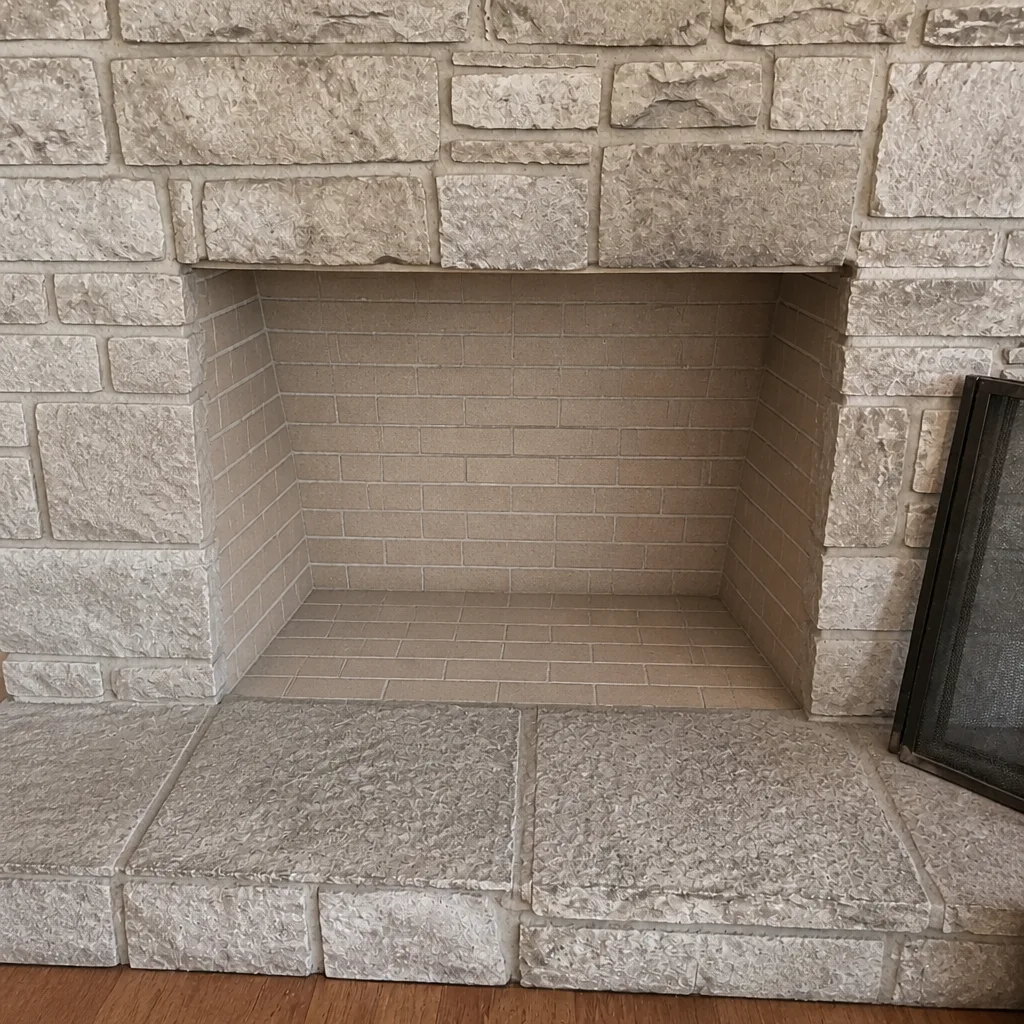
See the difference
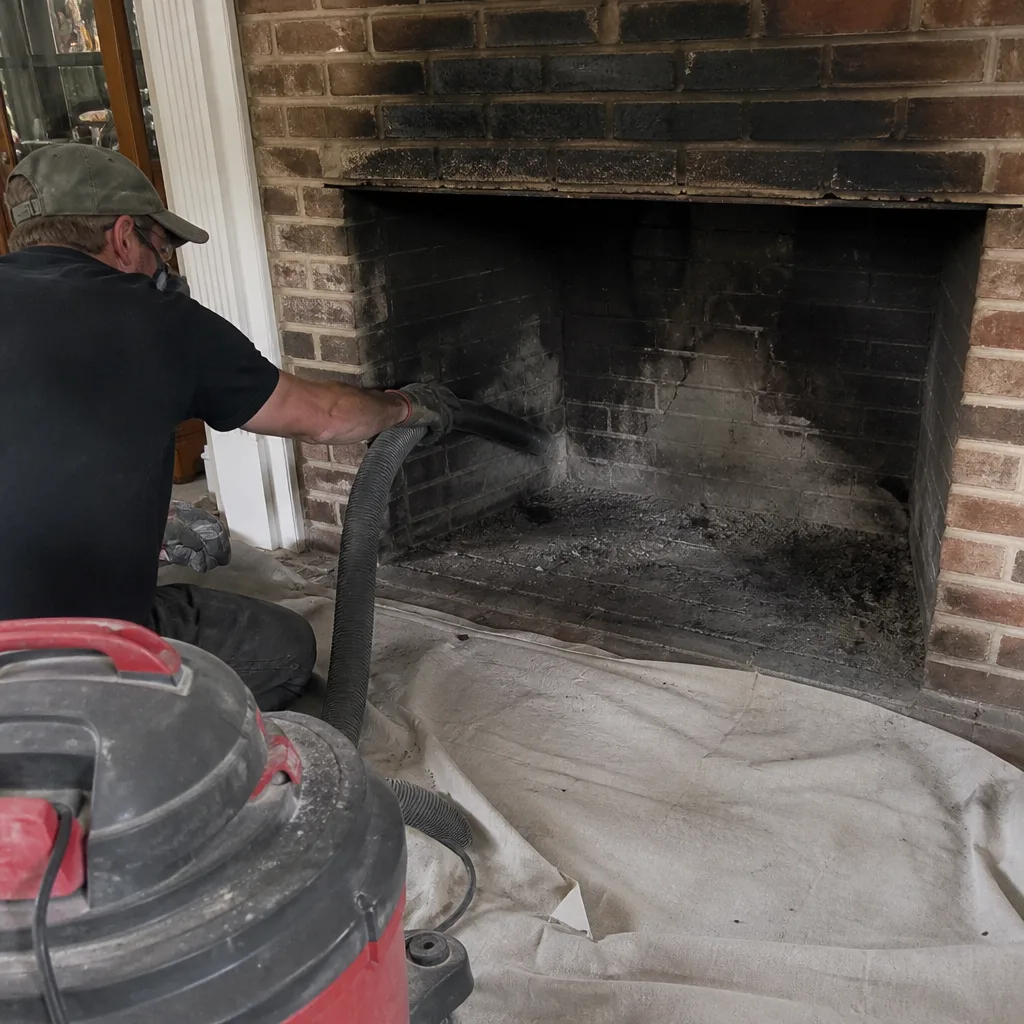 Before
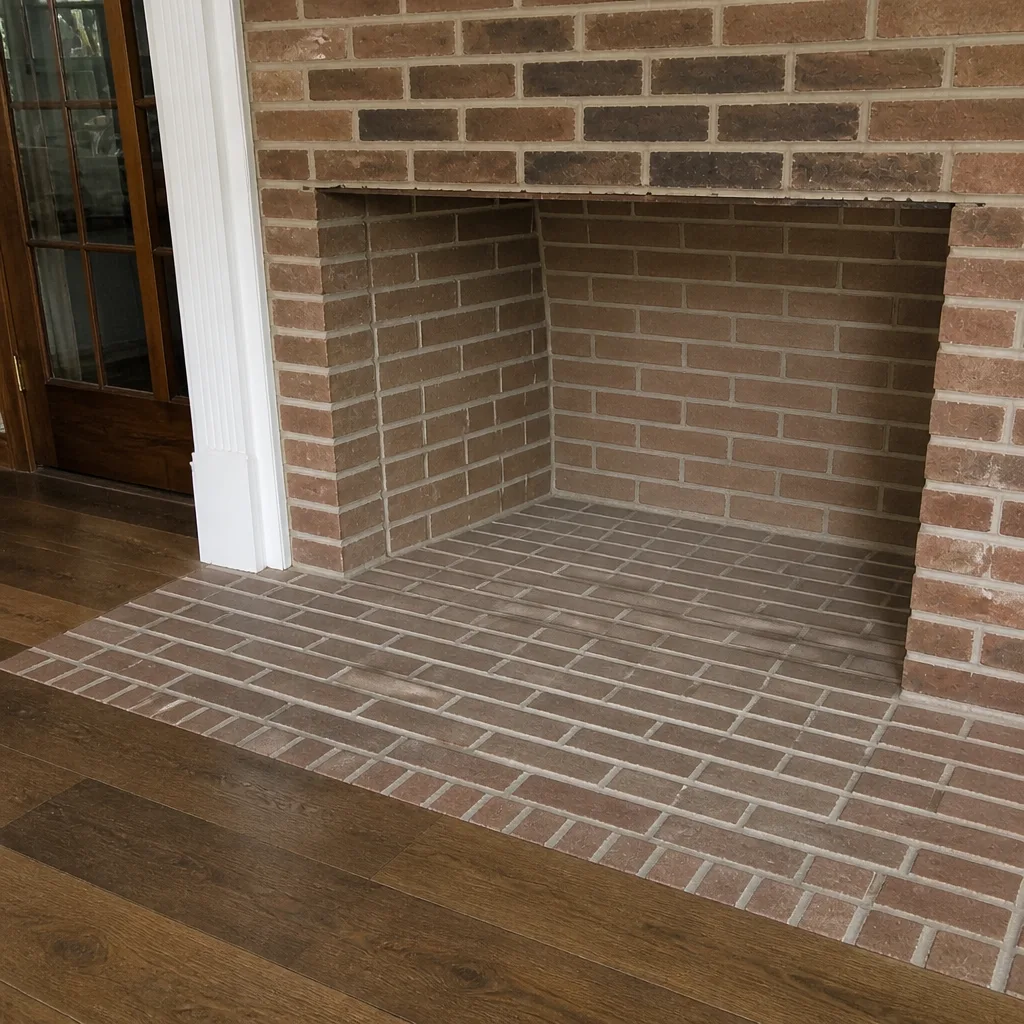 After
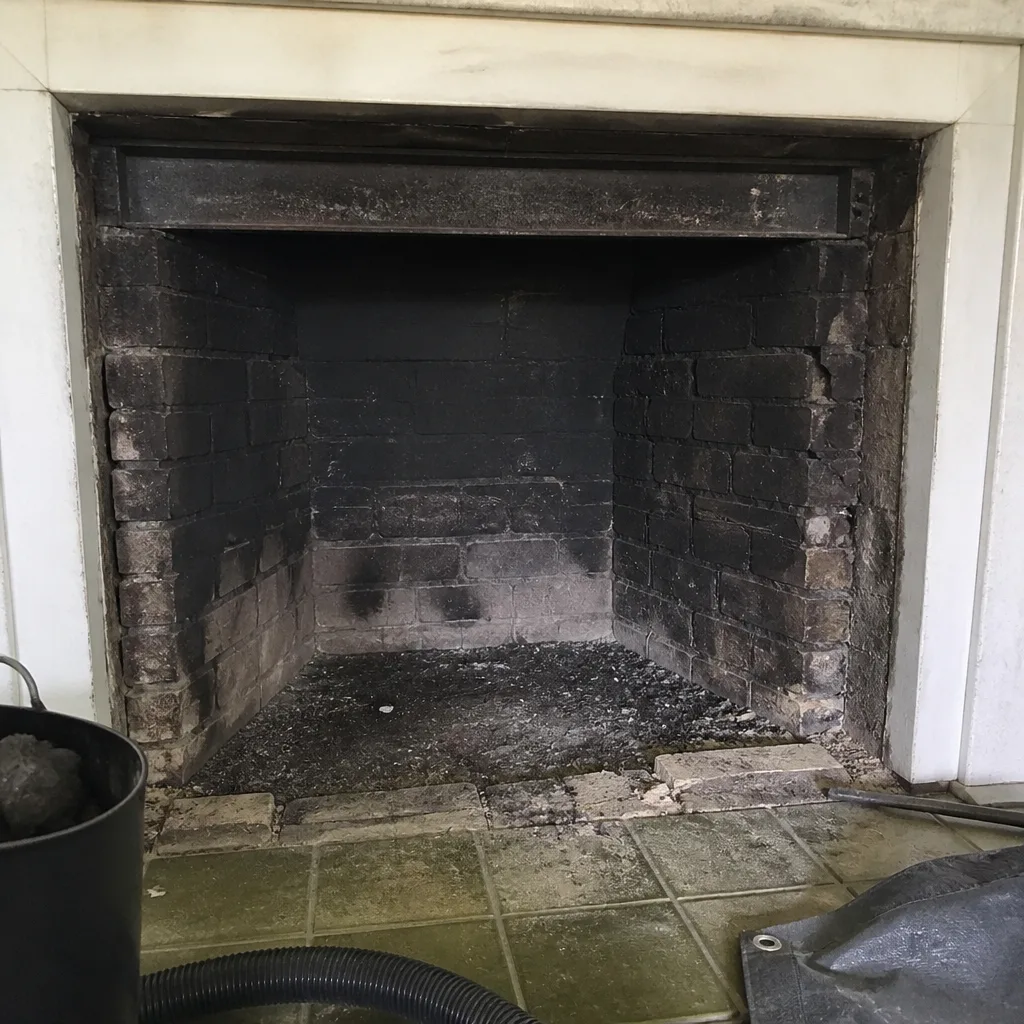 Before
 After
 Before
 After
When to Call a Professional
Brand matters most when the work isn’t routine. If a sweep has turned up a cracked liner, an unlined flue, a damper that doesn’t seal, a cap that’s failing, or masonry that’s spalling, the product decisions are the whole job. That’s when calling a chimney specialist beats calling a generalist by the widest margin. The same is true when you don’t know what your own flue looks like – an inspection before the burning season is cheaper than a repair in February. If you’re in Lexington, Lexington Chimney Cleaning offers free estimates at (833) 946-8918. We answer 24/7. Fast dispatch from 7am to 7pm, Sunday through Friday. The inspector will tell you what brands we use and why, and you can ask the questions in this guide before the work is quoted. Nothing is quoted without the inspection findings to back it up.
Frequently Asked Questions
A Lexington chimney company should be able to name specific professional brands: Rutland or MagBrush for brush systems, Olympia Chimney or DuraFlex for liners, ChimneySaver or an equivalent vapor-permeable sealer for masonry, and Lyemance, Lock-Top, Gelco, or Famco for caps and dampers. A company that can name those brands for the right appliance type is a specialist. Call (833) 946-8918 for a free estimate and ask the questions face to face.
Usually not. Consumer kits rarely match the stiffness and diameter tolerances that professional brush systems like Rutland or MagBrush are built to, so they leave soot on the flue corners or scuff the tile. The right brush depends on the flue material and the soot level. A professional-grade brush set in several sizes and stiffness ratings cleans properly. Ask what the company carries before booking the sweep. Call (833) 946-8918 to talk through your flue.
Because many sealers trap moisture inside the masonry. Vapor-permeable sealers like ChimneySaver let the chimney breathe while shedding rain, so freeze-thaw cycles don’t slowly damage the brick. Non-permeable hardware-store waterproofers seal the surface tight, and the trapped moisture has nowhere to go. In Lexington’s freeze-thaw winters, that’s how spalling and mortar damage start. Ask for the product name and check permeability. Call (833) 946-8918 for an inspection and a written estimate.
Yes, you need the correct liner grade for a wood-burning appliance. Olympia Chimney and DuraFlex make flexible liner systems in grades rated for the temperatures and moisture that wood flues produce. A cheaper liner or one matched to gas appliance conditions won’t hold up to wood-flue duty. Ask which liner the company specifies for your appliance before the job is booked. Call (833) 946-8918 to confirm equipment details on your estimate.
HeatShield is a chimney liner resurfacing system installed only by trained applicators. It’s used when the existing flue tile is cracked or deteriorating and the flue can be restored from the inside instead of a full liner replacement. Whether you need it depends on what the inspection finds. The right answer is evidence-based. Call (833) 946-8918 for a free estimate and a clear read on whether HeatShield fits your situation.
Ask them what brands they use on the brush, the liner, the sealer, the cap, and the damper. A chimney specialist answers with product names in seconds. A generalist either names a hardware store or has to “look into it.” That’s the earliest signal you’ll get, and it’s the one that matters most when the job is unusual. Call (833) 946-8918 if you’d like to hear how we answer that question in Lexington.
The Bottom Line
Chimney cleaning is one of the few home services where the product on the truck matters as much as the person holding it. Brush stiffness and diameter determine whether the flue gets cleaned. Liner grade determines whether the appliance vents safely. Vapor-permeable sealer determines whether the masonry dries or stays wet. Cap and damper brands determine whether the top of the chimney works or leaks. A chimney specialist in Lexington – one working with professional-grade brands from DuraFlex to Olympia Chimney to ChimneySaver – gives you all four by default. A generalist with a hardware-store run gives you one. Now that you know what to ask, you can tell the difference in a single phone call.
Call (833) 946-8918 for a free estimate. We answer 24/7. Fast dispatch from 7am to 7pm, Sunday through Friday. When you’re ready, we’ll inspect the flue, tell you exactly which brands we use on your chimney and why, and quote the work in writing. Whether you go with us or another company, the questions in this guide will get you a better job. For a closer look at what full-cycle service covers, our chimney repair and sweep pages walk through the inspection, the findings, and the fixes.
Written by the team at Lexington Chimney Cleaning.