
Last updated November 16, 2026
 Sweep & inspection
 Caps & crowns
 Flue relining
 Masonry repair
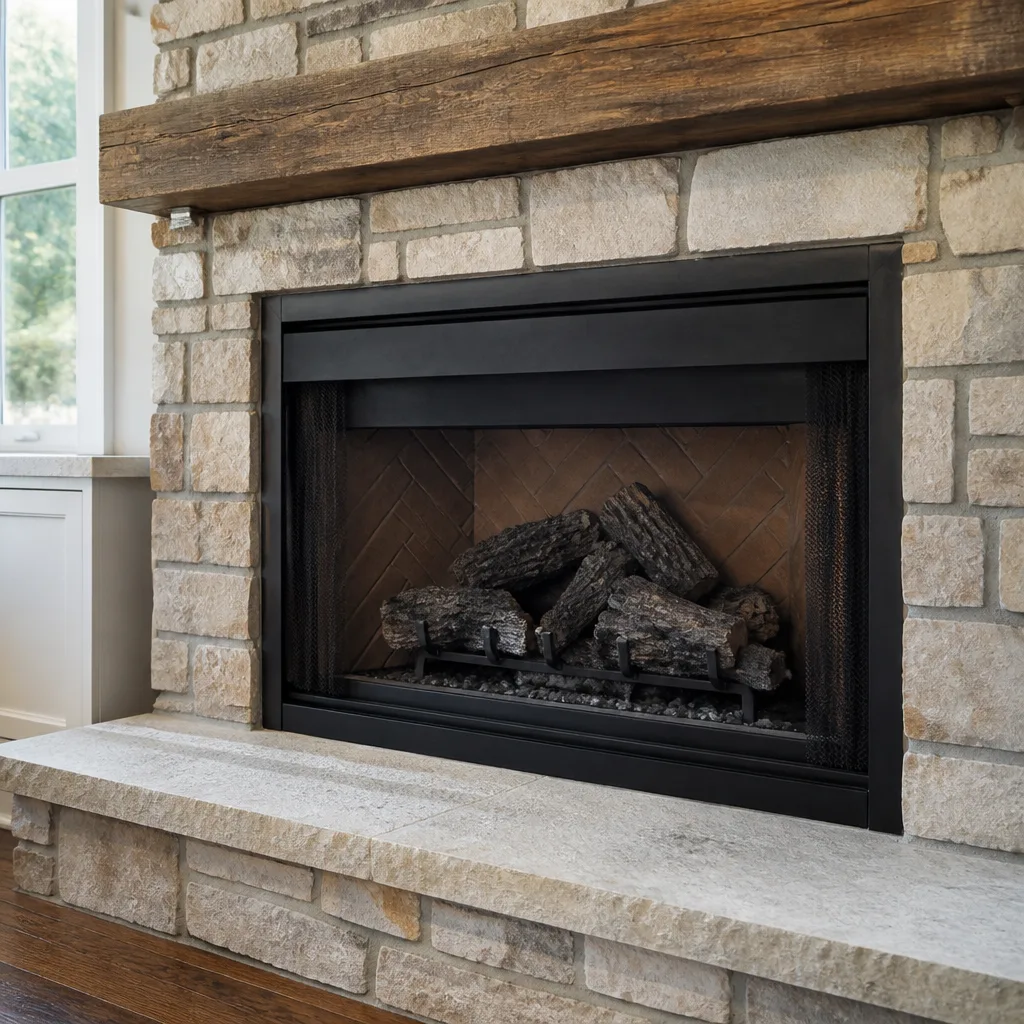 Gas fireplace service
Level 1 sweep and inspection to the NFPA 211 annual standard - flue, crown, cap, and flashing checked and photographed
Chimney sweep logs do not sweep chimneys. They loosen some creosote - which then falls where a brush and vacuum still have to collect it.
Chimney Inspection Troubleshooting in Lexington: Common Problems and How to Fix Them
A smoky fireplace is the number-one reason homeowners pick up the phone, but in roughly a third of the cases we diagnose, the chimney itself is fine. The real culprit is negative air pressure inside a tightly sealed modern home. That single fact changes how a proper inspection should run. This guide teaches you to read your chimney’s warning signs before you call anyone: which symptom points to draft trouble, which points to a blockage, which points to a cracked liner, and which points to water getting into the masonry. If you’re in Lexington and something about your fireplace feels off, you’ll finish this page knowing what to describe, what to check, and what a real diagnosis should include.
Quick Answer
Chimney problems in Lexington usually trace back to one of five causes: negative air pressure, a flue blockage, a damaged or unlined flue, water intrusion through the masonry, or a draft issue tied to the cap or chimney height. Each produces a distinct set of symptoms, and matching the symptom to the cause is what separates an accurate diagnosis from an unnecessary repair. A proper troubleshooting inspection uses a camera scan, a smoke or draft test, and a visual check of the firebox and exterior, then explains findings with evidence you can see yourself.
Styles & brands we work with
- Sweep & inspection
- Caps & crowns
- Flue relining
- Masonry repair
- Gas fireplace service
Table of Contents
- Draft Problems and Smoke Rollout: Is It the Chimney or Your House?
- Flue Blockages vs. Liner Damage: Telling Them Apart
- White Staining on Brick: What Efflorescence Really Means
- Negative Air Pressure in Lexington’s Newer Subdivisions
- Creosote, Soot, and What They Hide
- Caps, Crowns, and Chase Covers: The Weather Side of the Chimney
- What a Real Troubleshooting Inspection Includes
- Repair Options When the Diagnosis Is Confirmed
Draft Problems and Smoke Rollout: Is It the Chimney or Your House?
Smoke that rolls out of the fireplace opening instead of rising up the flue is a draft problem, and draft problems split into two families: chimney-side causes and house-side causes. Chimney-side causes live in or on the chimney itself. House-side causes live in the building envelope. Getting this distinction right early saves you from paying for sweeping or repair work that can’t fix a pressure problem.
Chimney-side causes to rule out first:
- Blocked flue. A nest, a fallen cap, or heavy debris narrows the flue and kills the draft. Common after a season of no use.
- Cold flue. A flue that’s the same temperature as the outside air resists the first fire of the day, then improves as it warms. Smoke that clears after twenty minutes points this way.
- Chimney too short or obstructed at the top. Trees, a nearby roofline, or a chimney that doesn’t rise high enough above the ridge can cause turbulence and back-puffing.
- Oversized flue for the appliance. A flue that’s too large for the firebox cools the smoke too quickly and loses draft.
House-side causes are the ones homeowners rarely consider. A modern home built tight, with vapor barriers, sealing, and mechanically driven exhaust, can pull harder on the house than the chimney can pull on itself. Bathroom fans, kitchen hoods, and clothes dryers all compete with the chimney for the same air. When the house wins, smoke rolls into the room. We’ve diagnosed this often in newer Lexington subdivisions where construction is deliberately air-tight for energy performance.
A quick test you can run yourself: crack a window in the same room as the fireplace before lighting a fire. If the smoke behaves noticeably better with the window cracked, the problem is likely house-side pressure, and no amount of sweeping will fix it. That’s valuable information to bring to an inspection. A proper Lexington Chimney Cleaning visit starts by sorting which family of cause you’re facing before any work is scheduled.
Flue Blockages vs. Liner Damage: Telling Them Apart
A blockage and a liner crack can produce similar-sounding complaints, but the symptoms differ enough that you can often narrow it down before anyone climbs on the roof. Blockages restrict flow and produce smell and sound clues. Liner damage affects containment and often shows up as draft instability, staining, or debris in the firebox.
Signs that point toward a blockage:
- A musty, animal, or acrid smell that’s strongest when the fireplace is unused, then fades once a fire is lit. Nests and debris smell different from creosote.
- Scratching, fluttering, or a hollow knocking sound in the flue when the fire is lit. Birds and squirrels are the usual occupants.
- Draft that was fine last season and is suddenly weak. Sudden change is a blockage signature.
- Visible debris falling into the firebox or a grate that’s unusually littered.
Signs that point toward liner damage:
- Draft that varies with weather and wind but never fully recovers, even after sweeping.
- White or gray staining on the chimney exterior, or rust streaks on a metal liner.
- A smell of smoke in rooms other than the one with the fireplace, especially upstairs.
- Visible cracks, gaps, or missing mortar when the firebox is inspected.
Smell, sound, and draft behavior are useful preliminary indicators, but they can’t confirm either diagnosis. Only a camera scan can. A technician runs a camera down the flue and shows you the footage, so you can see the nest, the crack, or the gap for yourself. That visual evidence is the difference between a real diagnosis and a guess. In our experience, this is where homeowners most often discover the previous “inspection” was a flashlight glance from the hearth.
If the camera confirms liner damage, the fix is a liner repair or replacement, not another sweep. For more on how that repair process works, see our chimney repair page.
White Staining on Brick: What Efflorescence Really Means
White staining on brick or mortar is called efflorescence, and it’s not cosmetic aging. It’s evidence of active water intrusion. The white powder is mineral salt drawn out of the masonry by moisture and deposited on the surface as the water evaporates. When you see it, water is moving through the chimney right now.
Efflorescence is worth taking seriously for three reasons:
- It’s a symptom, not the disease. The salt deposit tells you water is entering, but it doesn’t tell you where. The source could be a failed crown, a cracked chimney cap, a missing chase cover, deteriorated mortar joints, or a flashing failure at the roofline.
- It accelerates deterioration. Water that freezes inside masonry expands and breaks the brick and mortar apart from the inside. Efflorescence is the early warning; spalling brick is the late-stage damage.
- It affects the flue. Moisture that penetrates the masonry can reach the clay tile liner and cause it to crack, which then affects draft and containment.
In Lexington’s climate, with wet winters and hot, humid summers, the freeze-thaw cycle drives this process hard. A chimney that looks fine in July can look noticeably worse by February if the crown and cap aren’t doing their job.
What to do if you see white staining: don’t paint over it, and don’t assume a masonry sealer will solve it. Sealing a chimney that’s actively taking on water traps the moisture inside and makes the damage worse. The correct step is a proper inspection to find the water source, then repair that source. Caps, crowns, and chase covers are the usual suspects. Familiarity with proper cap and venting component selection is part of getting this fixed correctly the first time.
Negative Air Pressure in Lexington’s Newer Subdivisions
Negative air pressure is the most underdiagnosed chimney problem in newer homes, and it’s especially common in Lexington subdivisions built with tight construction and upgraded insulation. The house is sealed so well that the chimney can’t draw enough air to operate, and the fireplace pulls smoke the wrong way.
How to tell whether you’re dealing with negative pressure:
- Smoke clears when a window near the fireplace is cracked, then returns when it’s closed.
- The problem gets worse when the bathroom fan, kitchen hood, or clothes dryer is running.
- The fireplace works fine on mild days but smokes on cold, windy days.
- Other exhaust appliances in the house feel weak, and doors are hard to close.
If two or more of these apply, the chimney is likely functioning but the house is fighting it. That’s a building science problem, not a chimney problem, and no amount of sweeping will fix it. The solution is makeup air: a controlled way for the house to supply the air the chimney and exhaust appliances need. Sometimes that’s a dedicated makeup air vent, sometimes a modified fireplace installation, and sometimes a chimney height extension that gives the flue more pull. Which one is right depends on the house, so it’s a diagnosis-first situation.
What you shouldn’t do is install a top-sealing damper or a stronger fan before you’ve measured. Those “fixes” can mask the real issue and, in a pressure negative house, make other exhaust appliances back-draft, which is a safety concern in its own right.
We’ve seen this pattern repeat in newer neighborhoods around Lexington, where the houses are engineered for efficiency and the older chimney assumptions no longer apply. If you’ve had your chimney swept and it still smokes, ask specifically whether the technician measured draft and considered house pressure. Our chimney sweep visits include that assessment, and we tell you plainly when the problem isn’t the chimney at all.
Creosote, Soot, and What They Hide
Creosote is the residue of incomplete combustion, and it’s the single most important thing a sweep addresses for fire safety. It builds up on the flue walls, and heavy, glazed creosote is the fuel for a chimney fire. But creosote does something else that matters for troubleshooting: it hides what’s underneath.
There are three grades you’ll hear a chimney professional reference:
- First-degree creosote. Light, dusty soot that brushes off easily. Normal between scheduled sweeps.
- Second-degree creosote. Flaky, crusty deposits. Needs more than a brush to remove; often removed with a rotary tool.
- Third-degree creosote. Glazed, hard, tar-like. This is the dangerous one. It’s stubborn, it’s a fire risk, and it can conceal cracks in the flue behind it.
That last point is why a sweep and an inspection need to happen together. Sweep first, then inspect. If a technician inspects before cleaning, they may mistake a glazed creosote deposit for a damaged flue lining, or miss a crack hidden underneath. The correct order is: sweep, camera scan, then report.
What causes creosote to build fast: unseasoned firewood, a smoldering fire run at low heat, a flue that’s too cool, or a fireplace that’s been run heavily without a sweep. If you’re seeing heavy buildup after a single season, the diagnosis should include how you’re running the fire, not just how clean the flue is.
For a routine sweep in Lexington, the honest answer is that most chimneys should be swept once a year or after roughly a cord of wood, whichever comes first. A homeowner burning heavily through the winter may need it sooner. A homeowner with a gas fireplace or a wood stove used lightly may need it less often. A Lexington sweep is a good annual habit, and it’s the time to catch the small issues before they become repairs.
Caps, Crowns, and Chase Covers: The Weather Side of the Chimney
Most of the water damage and animal intrusion we find in Lexington chimneys traces back to the top of the chimney, not the flue itself. The cap, crown, and chase cover are the parts most exposed to the weather and the parts most often overlooked.
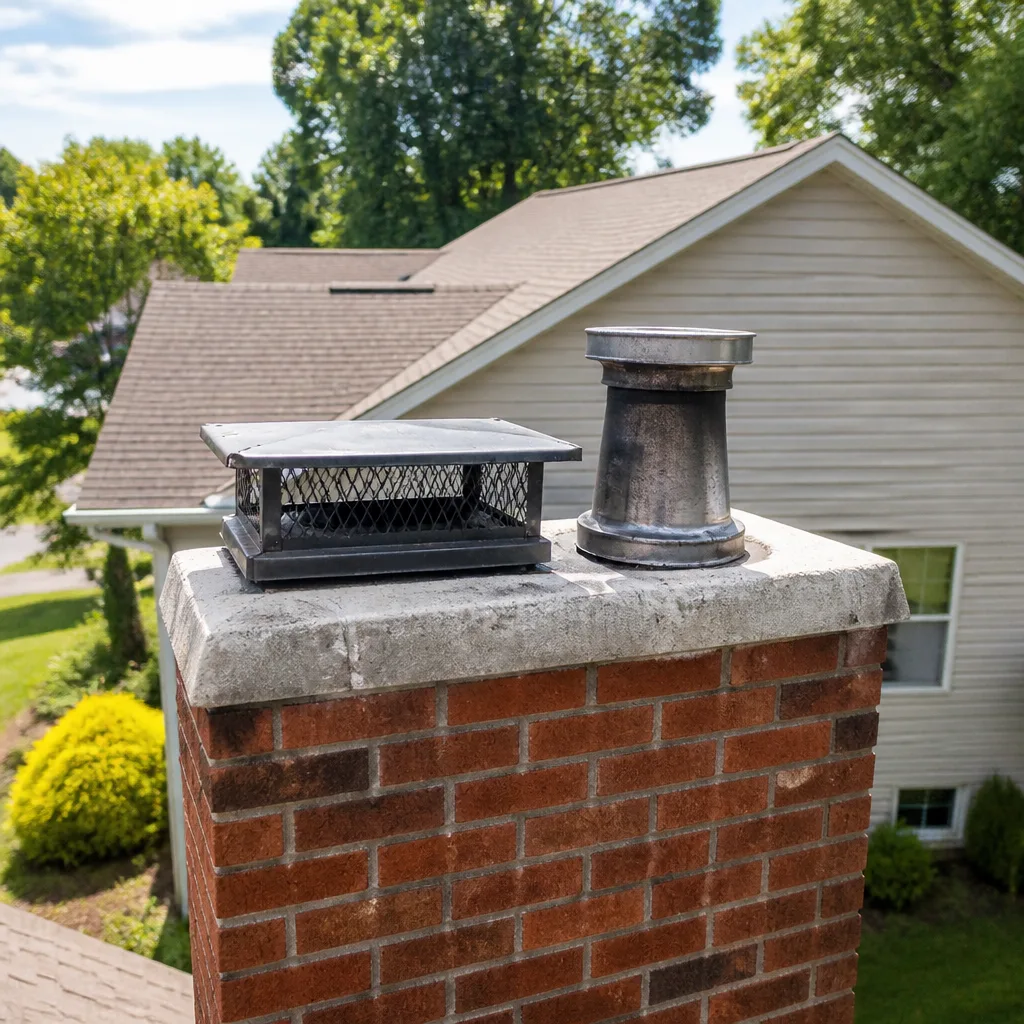
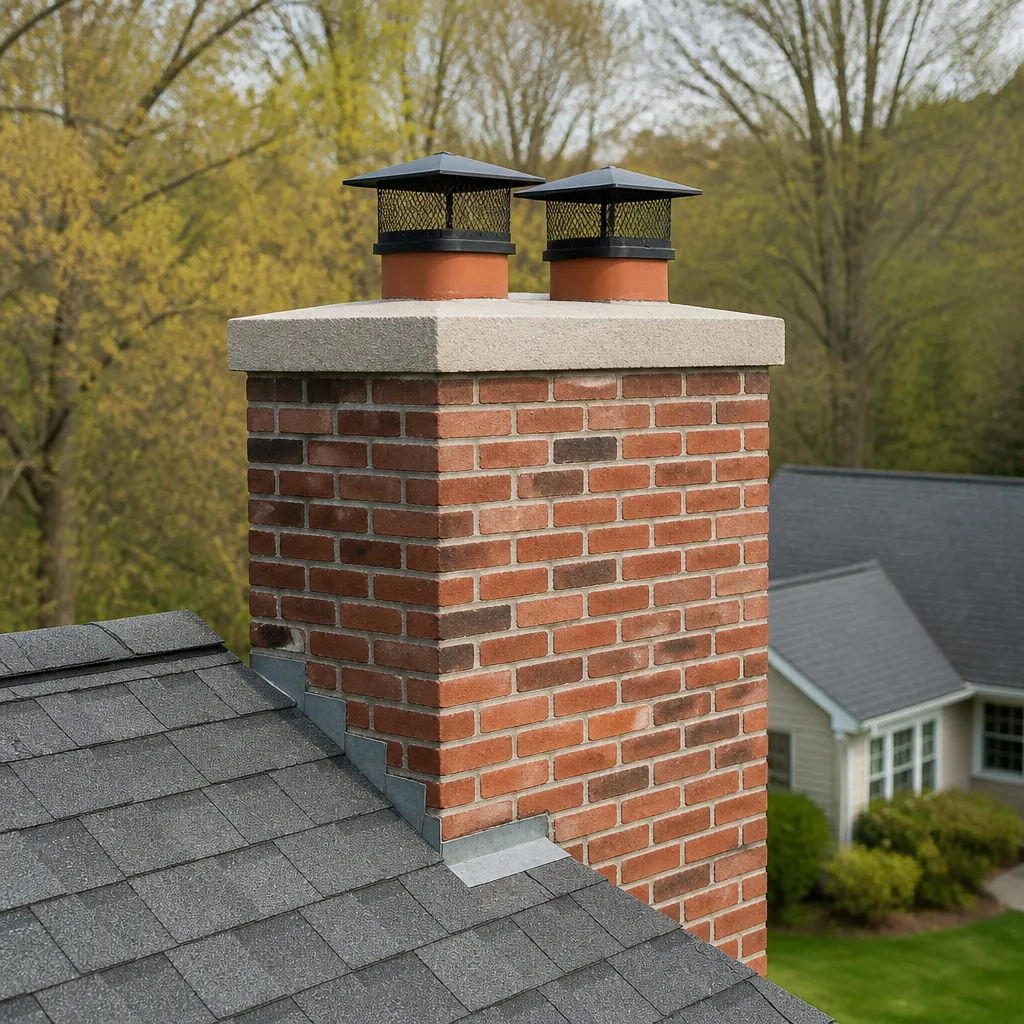
The chimney cap sits on top of the flue and has three jobs: keep rain out, keep animals out, and act as a spark arrestor. A missing or broken cap is the number-one reason birds and squirrels move into a flue, and it’s a common source of efflorescence. A proper cap fit matters; a poor fit lets water run down the flue and into the firebox.
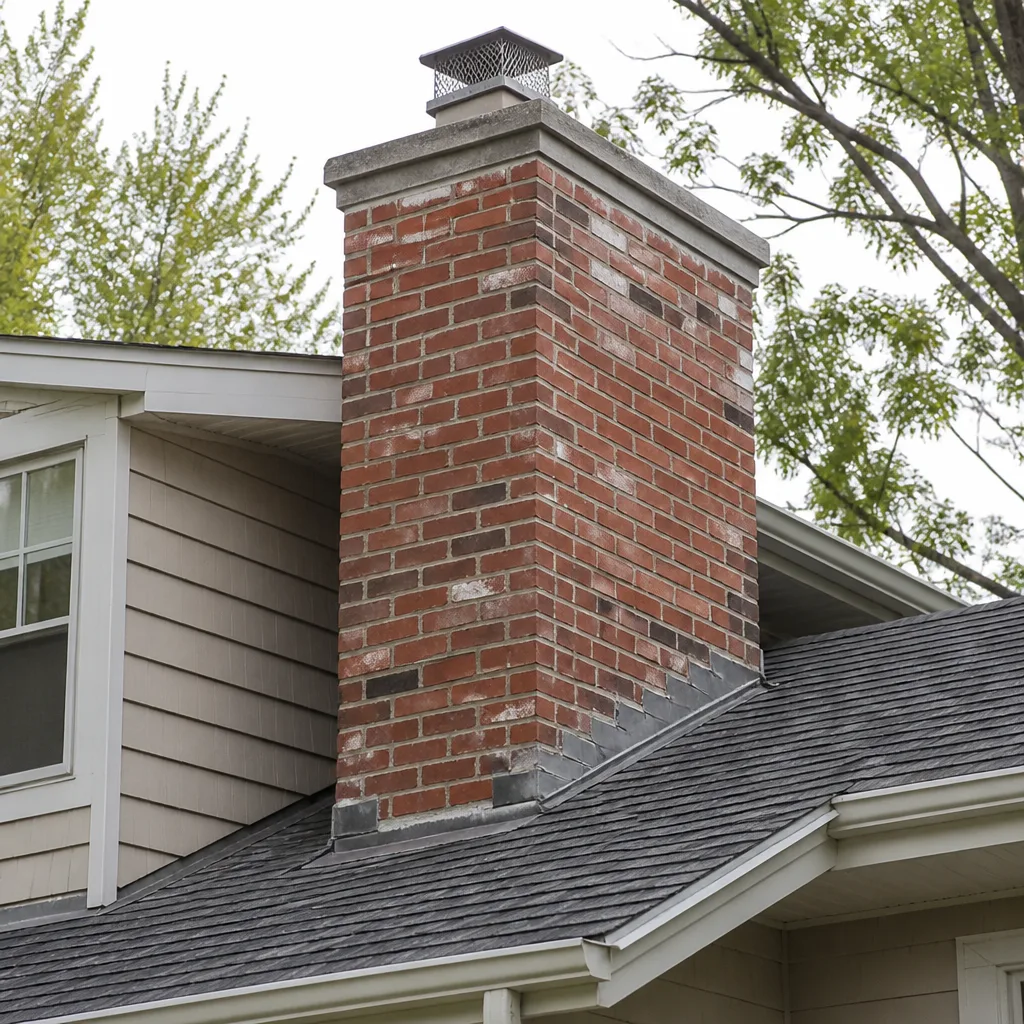
The crown is the concrete or mortar surface at the top of the chimney that sheds water away from the flue. When a crown cracks, water seeps into the masonry below. That’s what produces the white staining on the exterior and the eventual freeze-thaw damage inside the brick. Crown repair is one of the most effective preventive steps a homeowner can take, and it’s a routine part of a good inspection report.
The chase cover caps a prefabricated chimney chase, typically metal, and the rusted chase covers on older Lexington homes are a frequent source of leaks. When the cover rusts through, water gets into the chase and reaches the chimney structure directly.
What to check from the ground, safely:
- Is the cap still sitting squarely over the flue, or is it tilted or missing?
- Is the crown surface cracked or covered with moss?
- Is the chase cover rusting at the seams or corners?
- Are there white stains, dark streaks, or efflorescence on the chimney exterior?
Do not climb onto a roof to check closer. That’s steep-roof work, and it’s not worth the risk. Leave the closer inspection to a trained professional who can look at the cap, crown, and flashing safely. Selecting the correct cap and chase components for the chimney is part of the job, and it determines how well the chimney holds up over years of weather.
What a Real Troubleshooting Inspection Includes
A troubleshooting inspection is not a sweep with a quick look, and it’s not a roof walk with a flashlight. It’s a structured set of checks that produces a diagnosis you can verify. If you’re hiring an inspection in Lexington, here’s what a proper one should include. Use this as your checklist.
- A sweep first. The flue is cleaned before inspection, so the camera gets a clear view of the bare lining.
- A camera scan of the entire flue. The camera runs from the firebox to the top of the chimney. Footage is shown to you, and any cracks, gaps, or damage are pointed out on screen.
- A visual check of the firebox and damper. Cracks in the firebox brick, a damaged damper, and gaps at the smoke shelf are all noted.
- A check of the cap, crown, chase cover, and flashing. From the roof if safe, from the ground otherwise. The goal is to confirm water isn’t getting in.
- A draft test. This can be a smoke test or a draft measurement with a gauge. It confirms the flue actually pulls, and it’s the check that rules out the negative-pressure problem.
- A written report with photos. Every finding is photographed and explained. You should leave the inspection knowing what’s wrong, why it matters, and what the fix is.
What a proper inspection should never include: a recommendation for a liner replacement you can’t see the evidence for. If a technician recommends repair, ask to see the camera footage. A real diagnosis has a picture behind it. If the answer is “trust me,” that’s a warning sign, not a professional service call.
A trained chimney specialist does this work. Our technicians have up to 12 years of experience with this exact set of checks, and the camera and draft tools are part of every inspection, not an upgrade.
Repair Options When the Diagnosis Is Confirmed
Once the diagnosis is confirmed, the repair depends on what the camera and draft test found. Different problems get different fixes, and matching the fix to the finding is the whole point of a proper inspection.
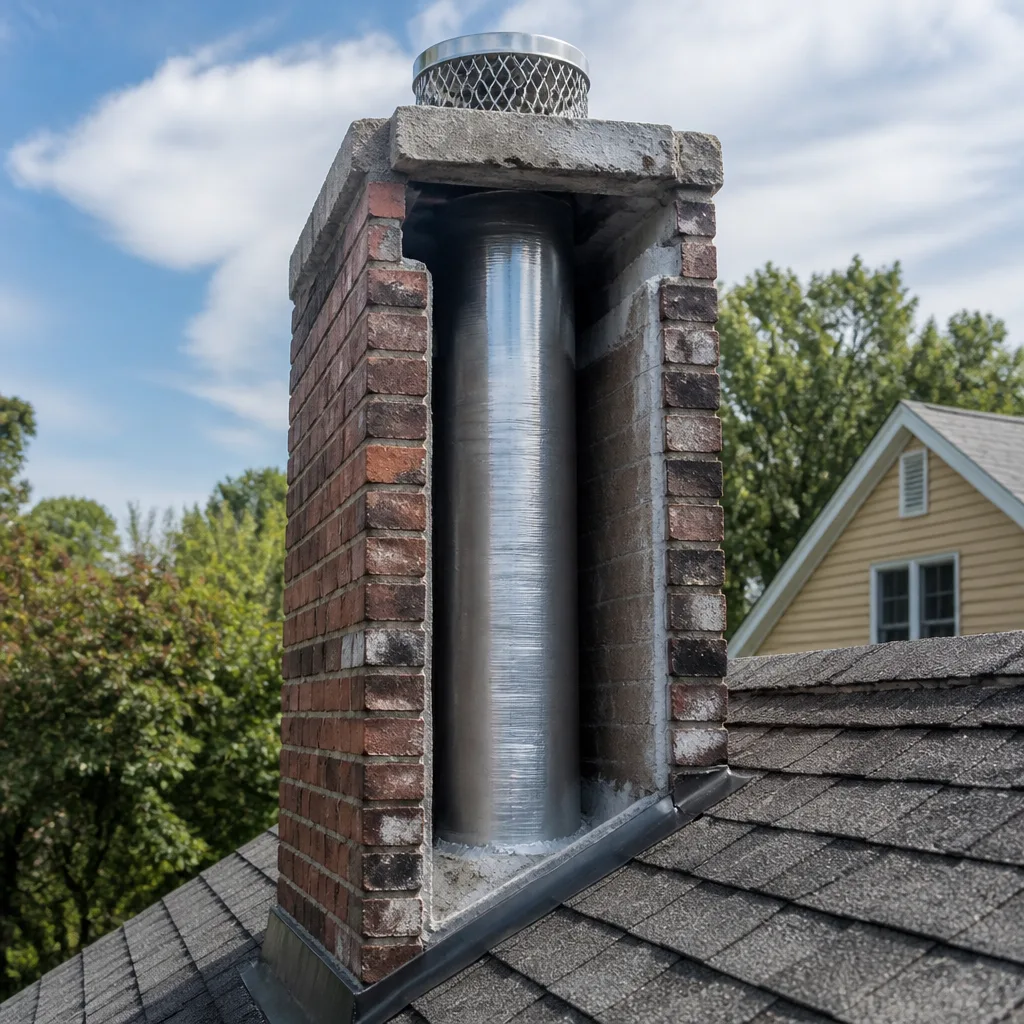
If the flue is cracked or unlined: the standard fix is a stainless liner. DuraFlex liner systems are the professional-grade choice we install for this kind of work, and they’re designed for long-term performance. A liner restores containment so smoke and heat stay inside the flue, and it’s the right repair when the existing clay tiles have failed.
If the flue is sound but the lining has hairline cracks or gaps: resurfacing is often the answer. HeatShield is a specialized liner resurfacing system applied to the interior of a masonry flue, and it’s installed by trained applicators. That’s a repair path general contractors don’t have access to, and it can save a liner replacement when the damage is limited.
If the cap or chase cover is the problem: a proper cap or chase cover replacement is straightforward and solves the water and animal issues. Getting the right component for the chimney is most of the job.
If the crown is cracked: crown repair stops the water intrusion and the efflorescence cycle. It’s a preventive repair, and it’s one of the highest-value maintenance steps a homeowner can take.
If draft is the problem: this is the diagnosis that requires the most judgment. Sometimes the fix is a chimney height extension. Sometimes it’s a cap change. Sometimes it’s makeup air. And sometimes, if the chimney and house pressure are both fine, the answer is that the fire isn’t being run correctly. We tell homeowners plainly when the diagnosis is “no repair needed yet,” because that’s a real outcome and not a lost sale.
For the repair side of the work, our chimney repair service covers liners, resurfacing, caps, and crowns from a single call. If a sweep turns up a problem, the same team handles the fix. No second call, no handoff.
Common Mistakes to Avoid
- Calling for a sweep when the problem is pressure. If smoke clears when you crack a window, no sweep will fix it. Describe the symptom honestly and ask the technician to test draft.
- Sealing efflorescence with masonry sealer. The white stains are water coming out, not water going in. Sealing traps the moisture and accelerates the damage underneath. Find and fix the water source first.
- Hiring a general contractor for a chimney repair. Liner resurfacing systems and professional-grade liner materials are installed by specialists. General contractors don’t have access to those repair options, and that limits the actual fix.
- Skipping the sweep before the inspection. An inspection run before the flue is clean can misread glazed creosote for liner damage, or miss a crack hidden under the residue.
- Assuming a camera scan isn’t part of a routine visit. Don’t accept a flashlight glance down the flue as an inspection. Ask whether a camera scan and a draft test are included before you book.
- Climbing on the roof to check the cap yourself. It’s steep-roof work. A slip on wet shingles is not worth the risk. Let a trained technician check the cap, crown, and flashing safely.
- Running a heavy fire on an unswept chimney. A cold flue and a slow-burning fire produce more creosote. Season your wood and sweep on a schedule.
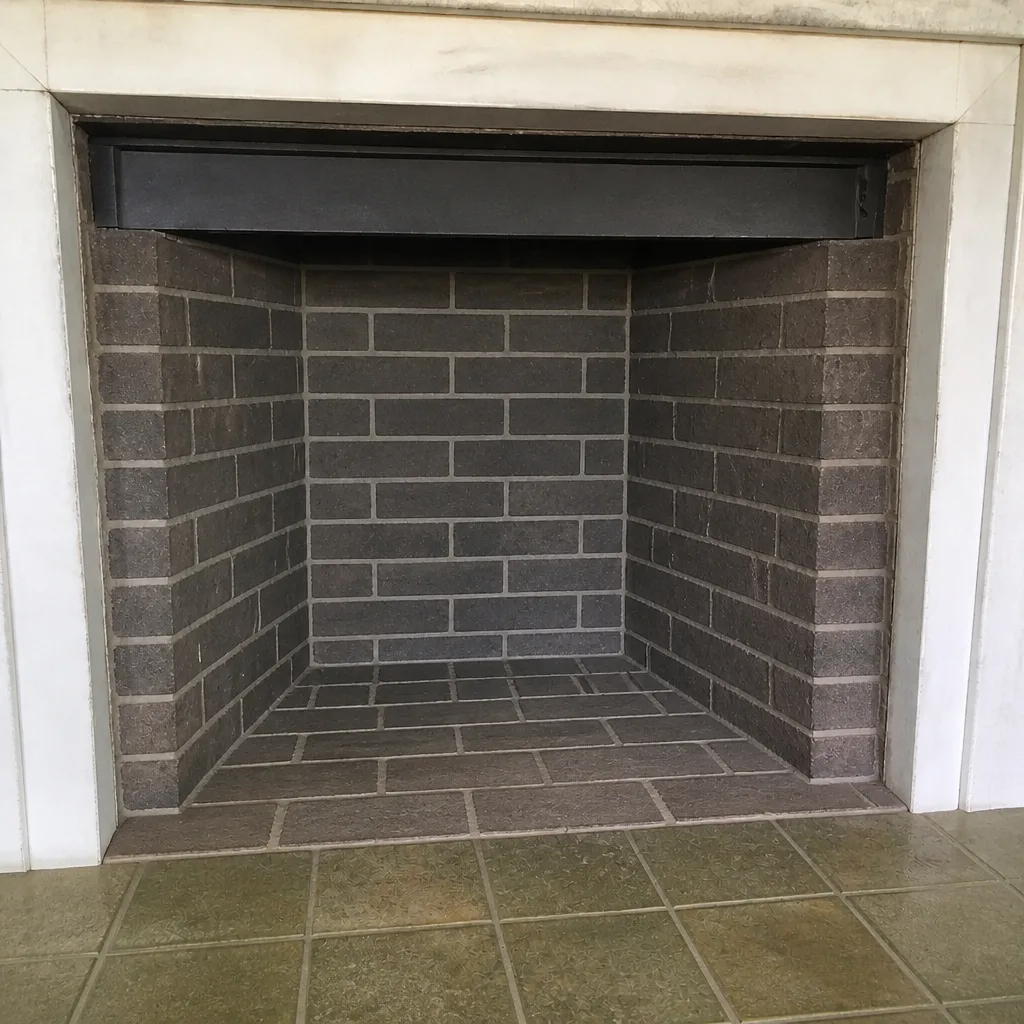
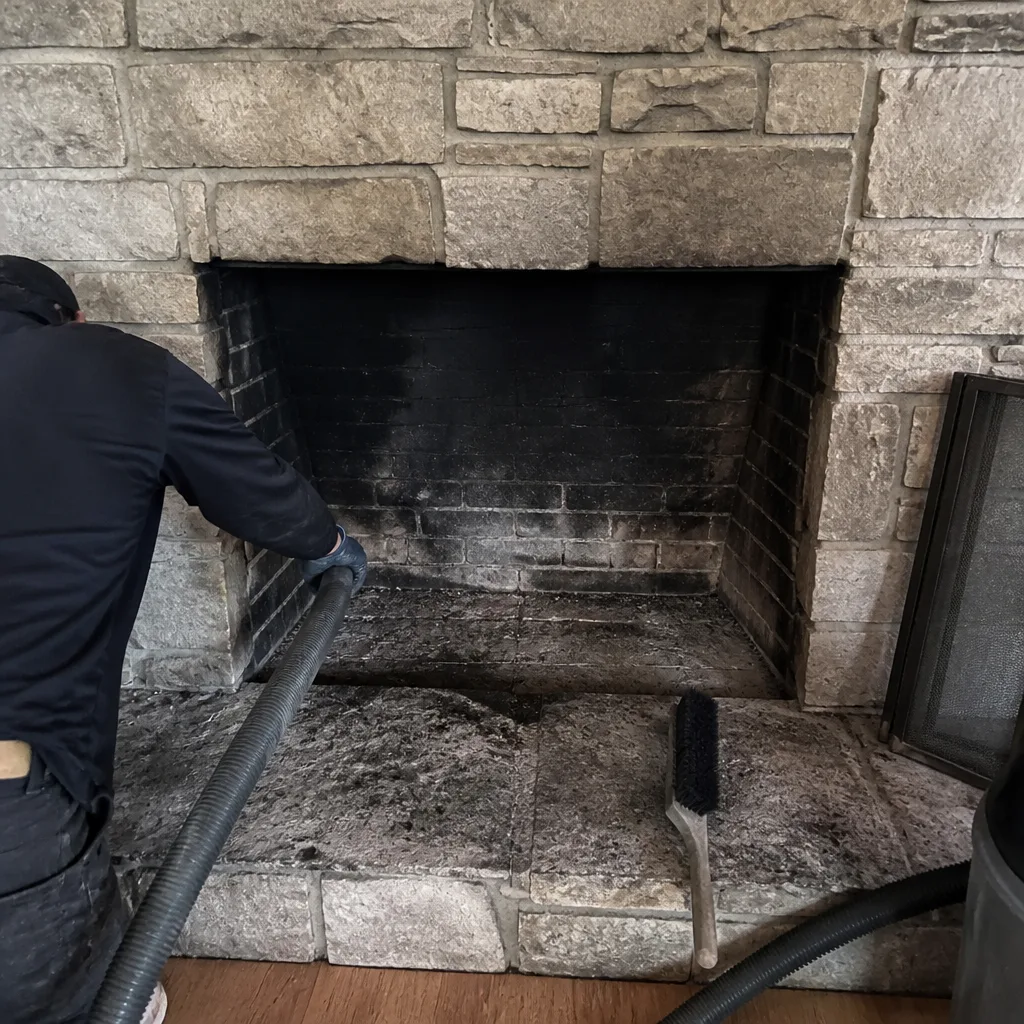
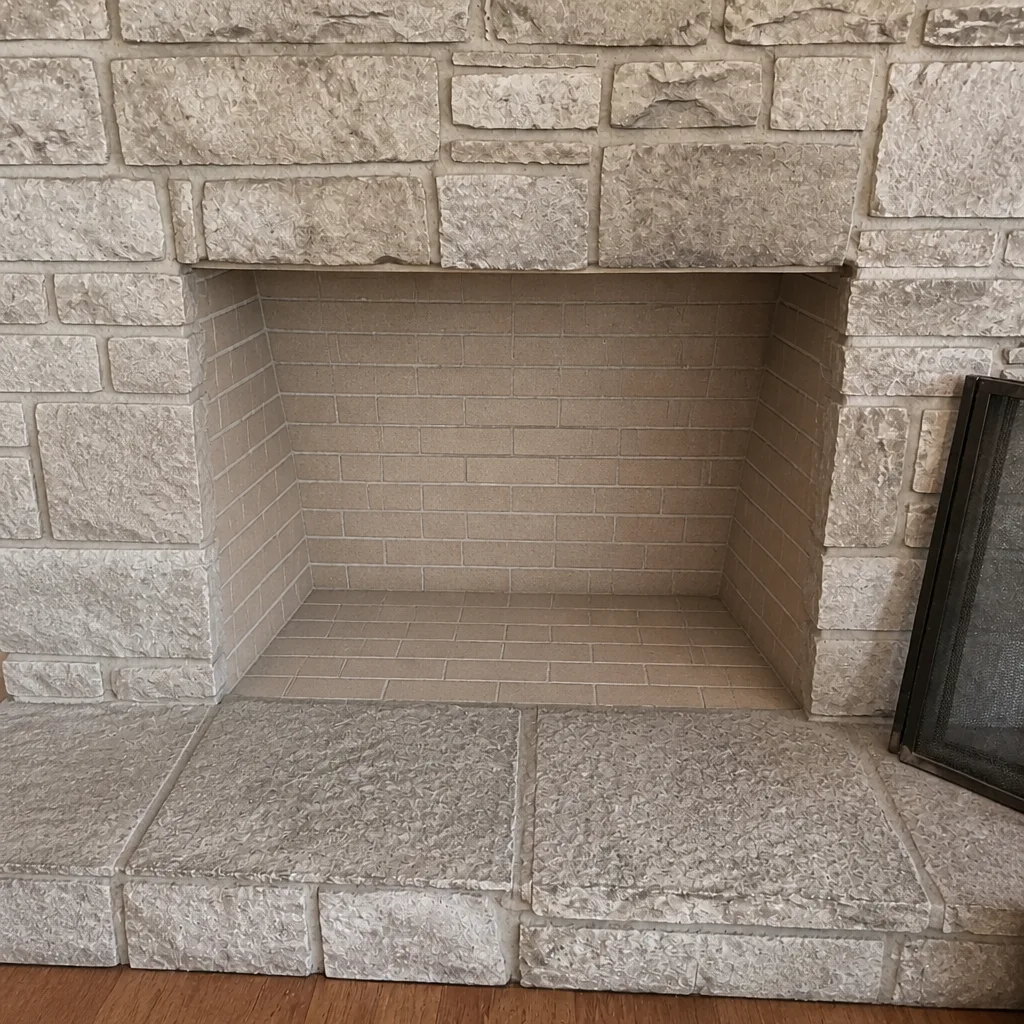
See the difference
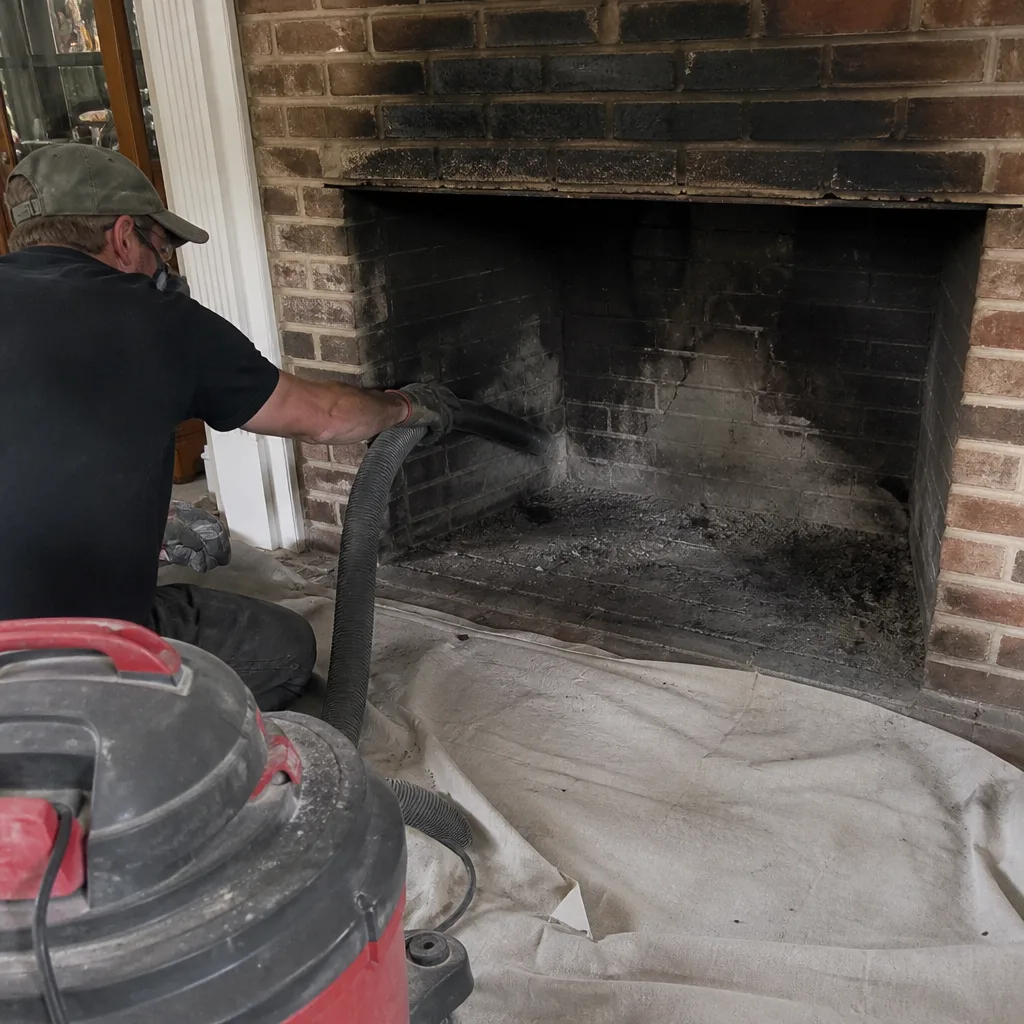 Before
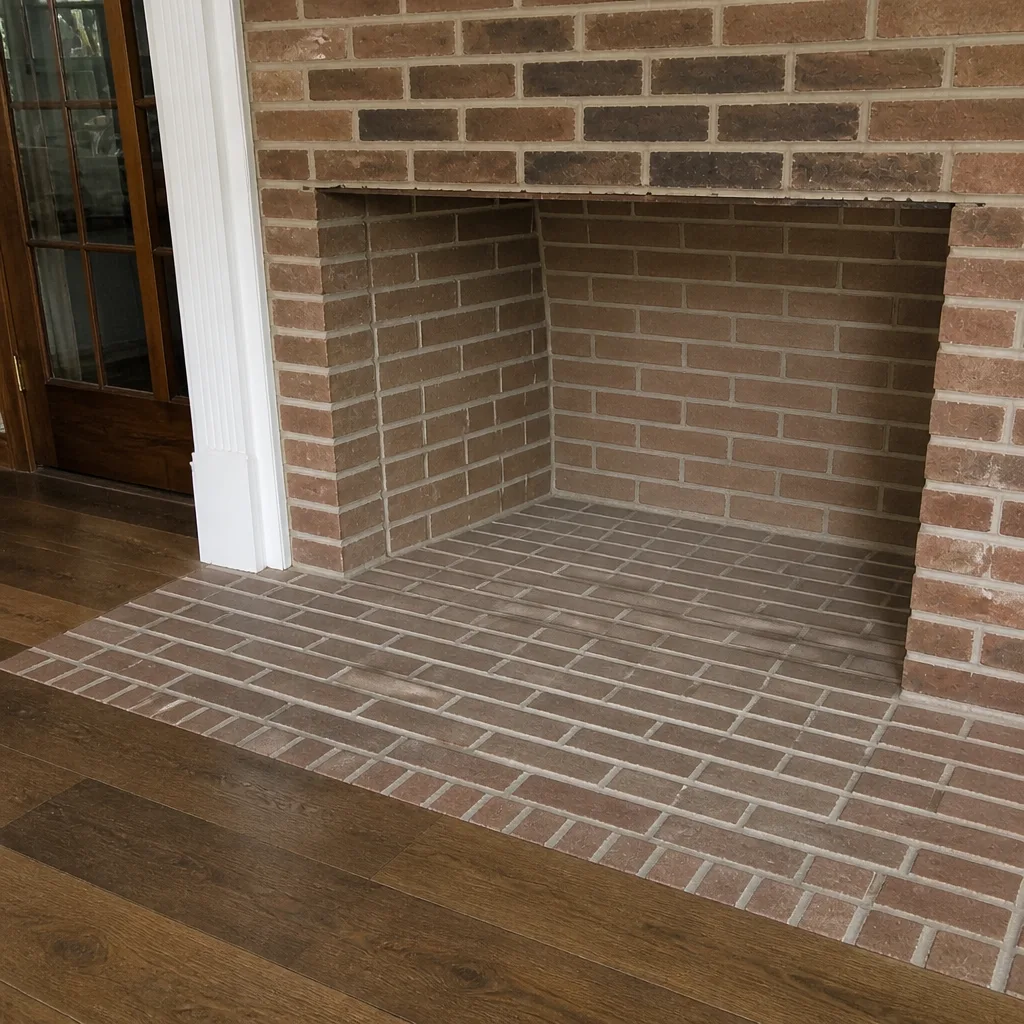 After
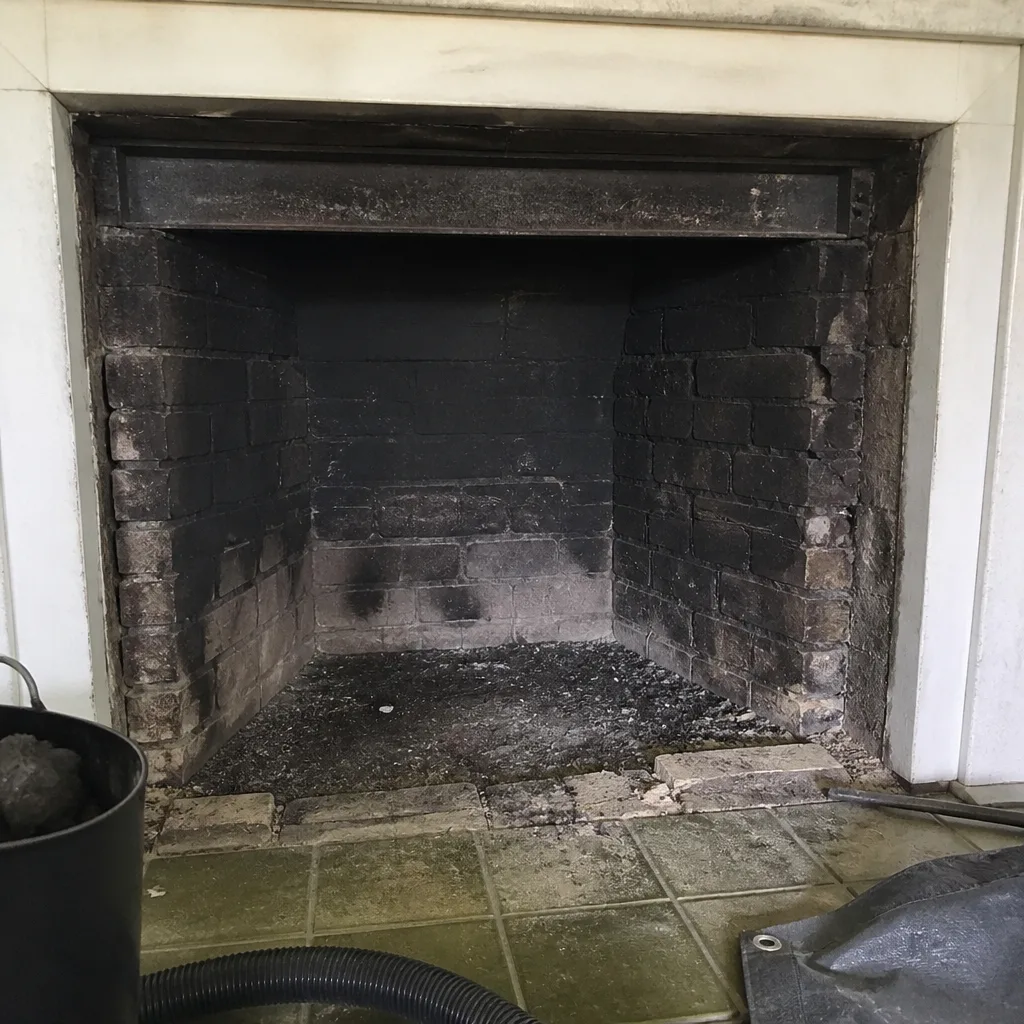 Before
 After
 Before
 After
When to Call a Professional
Call when you smell smoke in a room other than the one with the fireplace, when smoke rolls out of the opening, when the chimney has white staining, or when you haven’t had the flue inspected in over a year. Call if you see bird or squirrel activity around the chimney top, or if there’s debris in the firebox. Call if a previous contractor recommended a repair you can’t see the evidence for; a second look with a camera is worth it before you spend thousands of dollars. Lexington Chimney Cleaning offers free estimates in Lexington, call (833) 946-8918. Our technicians have up to 12 years of experience and will show you the camera footage before recommending any repair.
Frequently Asked Questions
A chimney inspection in Lexington typically runs a standard service-call estimate, and the written estimate sets the final price before any work begins. The estimate is free. Call (833) 946-8918 for an exact quote. Estimates are free.
A sweep cleans the flue, but it can’t see inside the lining, so a sweep alone can’t confirm a crack, a gap, or a hidden blockage. The camera scan is what produces a diagnosis you can verify. If a technician recommends a liner or a resurfacing repair, ask to see the footage before you agree.
Smoke after a sweep usually means the problem wasn’t in the flue. Negative air pressure from a tightly sealed house is the most common cause in Lexington’s newer subdivisions, and no amount of sweeping fixes it. Crack a window near the fireplace and see whether the smoke clears. If it does, the diagnosis should include a draft test and a pressure assessment.
White staining is efflorescence, and it means water is actively moving through the masonry right now. The salt deposit is the sign; the source is usually a failed crown, a cracked cap, or failed flashing. Don’t paint or seal it. Get an inspection to find the water source and repair it.
You can narrow it down. A nest tends to smell musty or animal-like when the fireplace is unused, produces scratching or knocking sounds, and causes a sudden drop in draft. A cracked liner tends to cause draft instability that doesn’t recover after a sweep, plus staining on the exterior or smoke smells in other rooms. Neither symptom is a diagnosis, though; a camera scan confirms which it is.
Once a year, or about once per cord of wood, is the usual schedule for a wood-burning fireplace. A gas fireplace or a lightly used wood stove may need it less often. Heavy winter use means sweeping sooner. If you see heavy creosote buildup after one season, the diagnosis should also cover how you’re running the fire.
The Bottom Line
The symptom you notice and the cause you have are often different things. Smoke rollout, white staining, musty smells, and weak draft each point to a specific problem, and matching symptom to cause is what turns an inspection into a real diagnosis. In Lexington, negative air pressure is the most underdiagnosed cause of smoking fireplaces, and efflorescence is the most misread early warning of water damage. A proper inspection sweeps first, scans with a camera, tests draft, and gives you evidence you can see. If a repair is needed, match the fix to the finding: a liner for a damaged flue, resurfacing for hairline cracks, a cap or crown for a water problem, makeup air for a pressure problem. Anything else is guesswork.
Call (833) 946-8918 for a free estimate. We answer 24/7. Fast dispatch from 7am to 7pm, Sunday through Friday. We’re a chimney-only company: inspection, sweep, and repair under one call, with a written estimate and camera evidence before any work is scheduled. Estimates are free, and the written estimate sets the final price.
Written by the team at Lexington Chimney Cleaning.